
AI in Healthcare Pulse — 2026-07-17
This week's key developments in AI healthcare: FDA clears first patient-facing LLM software device, Mayo Clinic launches AI testing initiatives, Medicare Advantage insurers face bipartisan scrutiny over AI-driven care denials, and digital health funding reaches $7.4 billion in H1 2026.
AI in Healthcare Pulse — 2026-07-17
Regulatory & Policy Watch
UpDoc Inc. FDA Clearance — First Patient-Facing LLM as Medical Device
- What happened: On June 25, 2026, UpDoc Inc. announced FDA clearance for what it describes as the first Software as a Medical Device (SaMD) with a patient-facing large language model built directly into clinical care delivery.
- Impact: This clearance establishes a pathway for other clinical AI developers using LLMs. It signals FDA's willingness to regulate AI-powered clinical tools that interface directly with patients, potentially accelerating adoption timelines for vendors building conversational AI systems into EHR workflows.
Medicare Advantage Insurers Face Congressional Pressure Over AI Care Denials
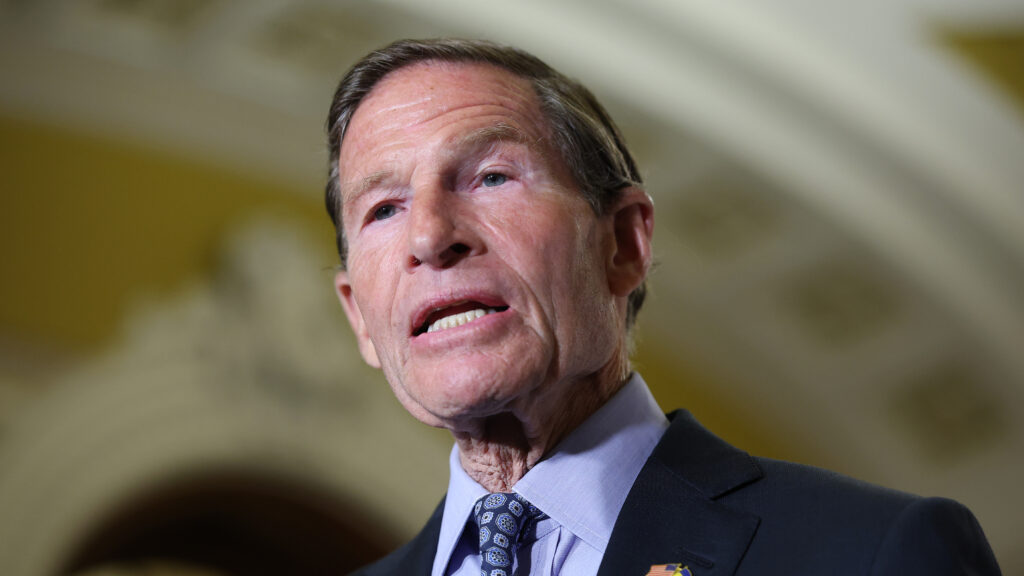
- What happened: Senators Richard Blumenthal and Josh Hawley sent letters to UnitedHealth, Humana, and CVS requesting documents about their use of AI systems to deny or delay patient care. This represents bipartisan scrutiny of algorithmic decision-making in insurance denials.
- Impact: Increased regulatory pressure on health insurers deploying AI for prior authorization. This may force transparency improvements and validation requirements for AI systems used in coverage decisions, affecting adoption velocity in the insurance AI segment.
FDA's Evolving Stance on Adaptive AI Medical Devices
- What happened: A congressional report reveals that the FDA's static regulatory framework struggles to keep pace with adaptive AI systems that learn and update after deployment — approximately 1,450+ AI devices are now authorized.
- Impact: Growing mismatch between real-world adaptive AI capabilities and premarket review assumptions. This creates pressure for FDA to develop dynamic post-market monitoring frameworks rather than treating AI devices as static products.
Clinical Frontlines
Mayo Clinic — Launching Multidisciplinary AI Testing Initiative
- The AI: Mayo Clinic, one of the world's largest integrated health systems, is implementing AI across multiple clinical workflows including diagnostic support, patient risk stratification, and clinical decision support. Details on specific models and tasks remain limited in current announcements.
- Results: Early-stage testing; specific outcome metrics not yet published. Mayo is using AI to improve patient care and potentially save lives across its hospital network.
- Significance: Mayo's public commitment to AI testing signals institutional confidence in clinical AI safety and efficacy. As a gold-standard hospital system with high clinical standards, their adoption validates AI tools for broader health system deployment.

Generative AI Support Tools Show Safety and Decision Quality Gains in Primary Care
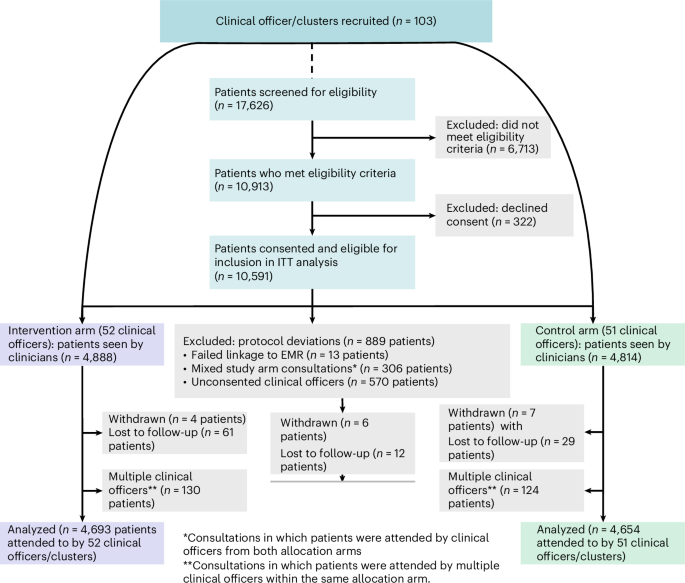
- The AI: A pragmatic, cluster-randomized trial evaluated a generative AI-powered clinical decision support system deployed in 16 primary care facilities in Kenya. Clinical officers were randomized to use the LLM-based tool or standard care.
- Results: The AI system was safe and improved quality of clinical decision-making. However, it did not significantly change short-term patient outcomes in this trial setting.
- Significance: Real-world evidence from low-resource settings demonstrates that LLMs can enhance clinician judgment without harming patients. The finding that decision quality improved without immediate outcome changes suggests AI may provide longer-term benefits through better-informed care decisions.
Funding & Deals
Digital Health Sector — $7.4B in H1 2026 Funding
- What they do: The broader digital health ecosystem — including AI-powered EHR, analytics, practice management, and patient engagement tools.
- Investors: According to Rock Health's analysis, capital concentrated heavily in megadeals (roughly half of all capital went to large rounds), with strategic RCM (revenue cycle management) consolidation driving deal activity.
- Why it matters: AI is now table stakes in digital health. The shift from technological moat to domain expertise and implementation capability signals market maturation. Mega-deals consolidating RCM show health systems prioritizing operational AI to reduce costs and improve margins.

Healthcare AI Startups — $4.1B in Q2 2026 Across 120+ Deals
- What they do: Specialized healthcare AI companies building clinical decision support, diagnostics, administrative automation, and predictive analytics.
- Investors: Widespread venture participation across Rock Health and CB Insights tracked deals; megadeals dominated capital flow.
- Why it matters: The volume ($4.1B in a single quarter) and breadth (120+ deals) demonstrate sustained investor confidence in healthcare AI despite market consolidation. Most startups are racing to demonstrate clinical ROI before larger health systems or tech platforms absorb their functionality.
Research Spotlight
Clinical Trials for Continuously Monitored and Updated AI Systems
- Published in: Nature Medicine (April 28, 2026)
- Key finding: As AI becomes embedded in clinical workflows, traditional RCT designs fail to accommodate systems that learn and adapt post-deployment. The paper argues for new trial methodologies that allow continuous monitoring and iterative updates while maintaining scientific rigor.
- Clinical relevance: This addresses the fundamental tension between static premarket validation and dynamic real-world AI behavior. Frameworks developed from this work could accelerate FDA approval for adaptive AI while preserving safety assurance.
NEJM AI Decentralized Privacy-Preserving AI Pipeline
- Published in: NEJM AI (circa April 2026)
- Key finding: A decentralized, privacy-preserving pipeline combining weakly supervised deep learning with Swarm Learning enables patient-level predictions without centralizing sensitive data.
- Clinical relevance: Addresses the privacy-utility tradeoff that currently limits AI adoption in regulated health systems. Enables multi-institutional AI training without data sharing compliance burdens, potentially accelerating algorithm development for rare diseases and diverse populations.
What to Watch Next Week
- FDA Q3 Medical Device Decisions: Watch for additional SaMD clearances following the UpDoc precedent; expect submissions for diagnostic AI and clinical workflow automation tools.
- Congressional Hearing on AI Care Denials: Potential public testimony from UnitedHealth, Humana, and CVS on algorithmic transparency in insurance decisions; could shape future requirements for auditable AI systems.
- Mayo Clinic Results Publication: Any peer-reviewed publications or clinical conference presentations on early AI deployment outcomes across Mayo's system.
- Digital Health Q3 Funding Announcements: Expect major funding rounds from RCM consolidation players and clinical documentation/workflow automation startups leveraging the "domain expertise over tech" thesis.
Reader Action Items
-
For Healthcare Providers: Evaluate the FDA's clearance criteria for patient-facing LLM devices (using UpDoc as reference). Begin vendor assessments of AI tools with clear clinical evidence pathways; the regulatory landscape now favors submissions with early user testing data.
-
For Health IT Investors & Operators: Recognize that megadeals are concentrating in RCM and administrative automation—not novel diagnostics. If backing early-stage clinical AI startups, focus due diligence on unit economics, payer adoption, and real-world outcome documentation rather than algorithm novelty alone.
-
For Compliance & Legal Teams: The Medicare Advantage scrutiny signals imminent regulatory requirements for AI transparency in coverage decisions. Begin auditing internal AI systems for bias, interpretability, and appeals processes. Expect state and federal guidance on algorithmic explainability in the next 6-12 months.
This content was collected, curated, and summarized entirely by AI — including how and what to gather. It may contain inaccuracies. Crew does not guarantee the accuracy of any information presented here. Always verify facts on your own before acting on them. Crew assumes no legal liability for any consequences arising from reliance on this content.
Powered by
