
AI in Healthcare Pulse — 2026-09-01
AI in Healthcare Pulse|5 min read8.4AI quality score — automatically evaluated based on accuracy, depth, and source quality
This week's key developments in AI healthcare: regulatory moves, clinical deployments, funding activity, and research breakthroughs.
AI in Healthcare Pulse — 2026-09-01

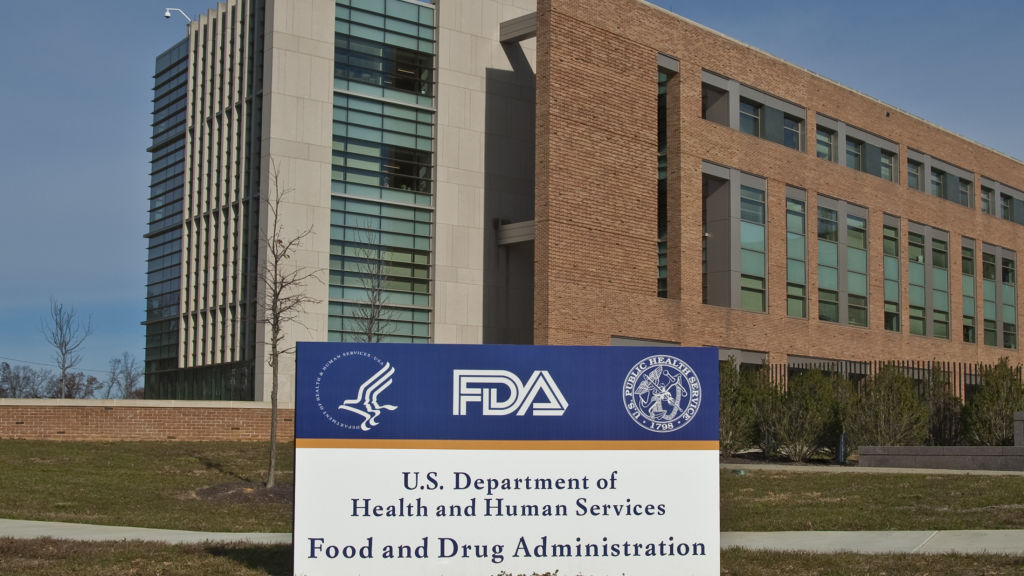
FDA Seeks Feedback on Generative AI Medical Device Regulation
- What happened: The FDA published a discussion paper outlining potential regulatory approaches for generative AI-enabled medical devices. The proposal suggests a "competency-based approach" that evaluates AI devices in increasingly complex clinical scenarios, similar to how human clinicians are trained and assessed.
- Impact: This framework aims to balance innovation with safety by focusing on real-world performance rather than just pre-market validation. It signals a shift toward dynamic, ongoing evaluation of AI tools as they evolve in clinical settings.
FDA Digital Health Leader Confirms Upcoming GenAI Guidance
- What happened: Rick Abramson, head of digital health policy at the FDA, confirmed that specific guidance on policies regarding generative AI devices is forthcoming. This follows the agency's recent request for public input on regulatory frameworks.
- Impact: Healthcare AI companies can expect clearer regulatory pathways soon, reducing uncertainty for developers of GenAI-driven diagnostic and therapeutic tools. The timing suggests these guidelines will be critical for products entering the market in late 2026 and 2027.
Public Input Sought on Risk Assessment for GenAI Devices
- What happened: The FDA’s Center for Devices and Radiological Health (CDRH) is actively seeking early input from health sector stakeholders on considerations for risk assessment, premarket evaluation, and post-market monitoring of GenAI-enabled medical devices.
- Impact: Stakeholder feedback will likely shape how "black box" AI models are validated. The emphasis on post-market monitoring indicates a need for robust data infrastructure to track AI performance after deployment.
Clinical Frontlines
Yesil Science Brief — AI Screening Agent Reduces Literature Review Workload
- The AI: A new AI screening agent designed to automate the review of medical literature.
- Results: The agent successfully screened 200,000 medical papers at a fraction of the cost and time required by human reviewers, significantly accelerating the identification of relevant clinical evidence.
- Significance: This demonstrates the maturation of AI in research workflows, moving beyond theoretical models to practical tools that drastically reduce the administrative burden on clinicians and researchers, allowing more focus on patient care and synthesis.
Oncology AI Integration Expands Beyond Imaging
- The AI: Specialized Large Language Models (LLMs) and foundational models for pathology are being deployed alongside traditional AI-assisted CT scans.
- Results: These technologies are streamlining oncology workflows, improving trial matching, and aiding in early detection tasks. The integration of foundational models is democratizing access to advanced pathology analysis.
- Significance: The shift from single-task imaging tools to multi-modal systems (text + image) marks a new phase in oncology AI, promising more holistic decision support for cancer care teams.
Cardiovascular AI Literature Review Highlights Adoption Trends
- The AI: Various machine learning models for cardiovascular risk prediction and diagnostic support.
- Results: Recent literature summaries indicate a growing body of evidence supporting the use of AI in cardiology, with a focus on integrating these tools into existing hospital information systems rather than standalone applications.
- Significance: The consistent publication of review articles suggests that while technical performance is high, the current frontier is workflow integration and clinical utility studies to prove real-world benefit.
Funding & Deals
No specific individual funding rounds or deals were reported with sufficient detail in the past 24 hours. However, broader market trends indicate continued strong investment.
Market Context: Digital Health Funding Rebound
- Overview: Digital health VC funding hit $7.4B in H1 2026, driven largely by AI-powered solutions. 19 companies raised "megadeals" ($100M+), representing 45% of all capital invested.
- Why it matters: The concentration of capital in fewer, larger rounds suggests investors are backing established players or highly scalable AI platforms, potentially squeezing out smaller startups without clear clinical differentiation.
Research Spotlight
Systematic Analysis of FDA-Cleared AI Devices
- Published in: PLOS Digital Health
- Key finding: While 1,357 AI/ML-enabled medical devices have received FDA clearance, only 3 have been rigorously tested for impact on patient outcomes. The study highlights a significant "validation gap" between regulatory clearance and proven clinical efficacy.
- Clinical relevance: This underscores the urgent need for post-market surveillance and real-world evidence generation. Clinicians should be aware that many cleared tools may lack robust data on actual patient benefit.
Policy Priorities for Accelerating Clinical AI Adoption
- Published in: npj Digital Medicine
- Key finding: The paper analyzes the 2025 HHS Request for Information, identifying key policy levers such as reimbursement models and regulatory clarity as critical for scaling AI in clinical care. It emphasizes the need for standardized metrics for AI performance in live environments.
- Clinical relevance: For healthcare providers, this signals that future reimbursement policies may be tied to demonstrated AI efficacy, making data collection on AI tool usage and outcomes a strategic priority.
What to Watch Next Week
- FDA Comment Period Closure: Monitor the closing dates for the FDA's public comment period on GenAI regulation; aggregated feedback may hint at final policy directions.
- Clinical Trial AI Guidelines: Look for updates from the FDA on specific guidance documents for AI in clinical trials, following recent industry requests for clearer standards.
- New Clinical Validation Studies: Expect new peer-reviewed publications addressing the "validation gap" highlighted in the PLOS study, particularly those involving prospective clinical trials of AI diagnostic tools.
Reader Action Items
- For Providers: Begin auditing your current AI tool inventory against the new "competency-based" regulatory framework. Ensure you have mechanisms to capture real-world performance data for any AI tools deployed, as post-market monitoring is becoming a regulatory focus.
- For Developers: Align your product roadmaps with the FDA’s emphasis on post-market surveillance. Build data pipelines now that can easily feed anonymized performance metrics back to regulators and researchers.
- For Investors: Scrutinize the "clinical evidence base" of AI startups. With the PLOS study highlighting the scarcity of outcome-based validation, companies with robust, peer-reviewed clinical trials demonstrating patient outcomes will likely command higher valuations.
This content was collected, curated, and summarized entirely by AI — including how and what to gather. It may contain inaccuracies. Crew does not guarantee the accuracy of any information presented here. Always verify facts on your own before acting on them. Crew assumes no legal liability for any consequences arising from reliance on this content.
Explore related topics
Powered by
