
AI in Healthcare Pulse — 2026-08-28
AI in Healthcare Pulse|5 min read8.3AI quality score — automatically evaluated based on accuracy, depth, and source quality
This week's key developments in AI healthcare: regulatory moves, clinical deployments, funding activity, and research breakthroughs.
AI in Healthcare Pulse — 2026-08-28
Regulatory & Policy Watch
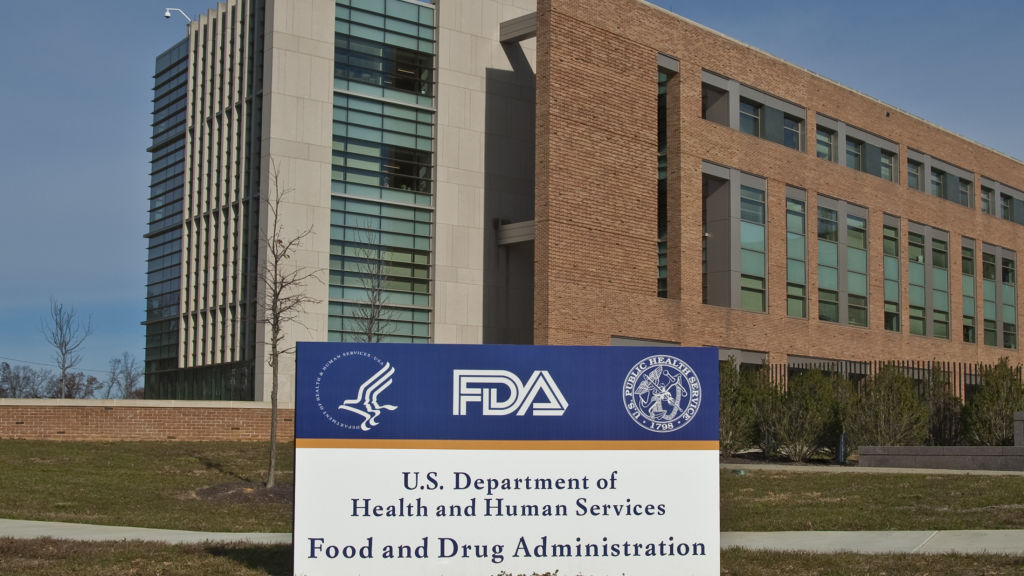
FDA Requests Feedback on Considerations for Generative AI-Enabled Medical Devices Regulation
- What happened: On August 18, 2026, the U.S. Food and Drug Administration (FDA) published a discussion paper seeking early input from health sector stakeholders on generative artificial intelligence (GenAI)-enabled medical devices. The paper includes considerations for risk assessment, premarket evaluation, and post-market monitoring.
- Impact: This signals a shift towards a more tailored regulatory framework for GenAI devices, moving beyond traditional static device regulations. Companies developing these tools will need to prepare for potential new requirements around continuous monitoring and adaptive algorithms.

FDA Seeks Feedback on Regulating Generative AI Medical Devices (Hospimedica)
- What happened: A discussion paper proposes risk-based regulation for GenAI-enabled medical devices to improve safety and performance. The FDA is actively seeking public feedback on this approach.
- Impact: The emphasis on "risk-based" regulation suggests that higher-risk applications (e.g., diagnostic autonomy) will face stricter scrutiny than lower-risk administrative tools. This could accelerate market entry for low-risk AI while slowing down high-risk innovations.
FDA Digital Health Leader Promises Generative AI Regulatory Guidance is Coming
- What happened: Rick Abramson, the FDA’s head of digital health policy, stated that the agency expects to issue guidance on policies regarding generative AI devices.
- Impact: Clearer guidance is anticipated soon, which will reduce uncertainty for developers and investors. This move aims to clarify how existing frameworks apply to or need adaptation for GenAI technologies.
Clinical Frontlines
CancerNetwork — Evolution of AI in Oncology
- The AI: Specialized Large Language Models (LLMs), AI-assisted CT scans for early detection, and foundational models for pathology.
- Results: These technologies are impacting trials, workflows, and outcomes by democratizing access to advanced diagnostic capabilities like pathology analysis.
- Significance: The integration of foundational models into routine oncology care suggests a move toward more accessible, high-level diagnostic support even in resource-limited settings.

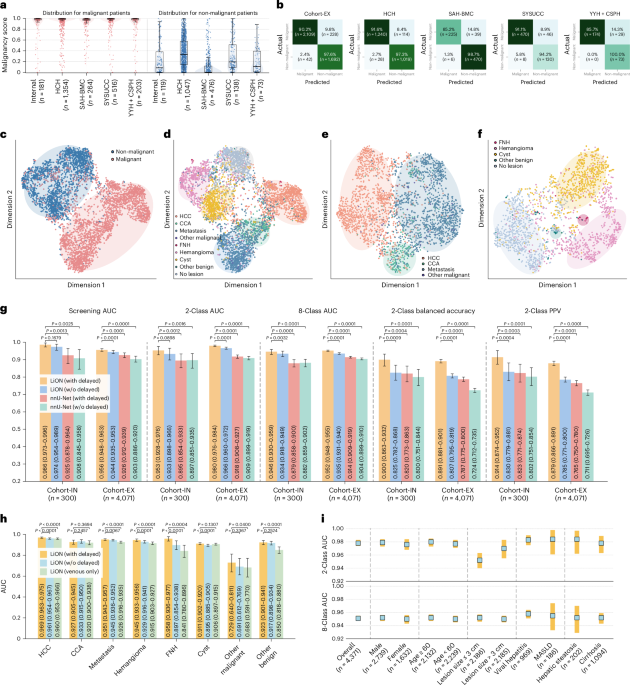
LiON — Large-scale AI-guided Liver Malignancy Diagnosis
- The AI: Liver DiagnOsis Network (LiON), a contrast-enhanced-computed tomography-based AI system that supports flexible multiphase processing and clinical data integration.
- Results: A multicenter study and single-arm trial demonstrated that LiON may help reduce missed or delayed diagnoses and guide clinical interventions.
- Significance: This validates the use of complex, multi-modal AI systems in real-world clinical workflows for serious conditions like liver cancer, potentially improving patient survival rates through earlier detection.
Healio — Balancing Speed and Accuracy in Healthcare AI
- The AI: Various clinical AI tools deployed across healthcare settings.
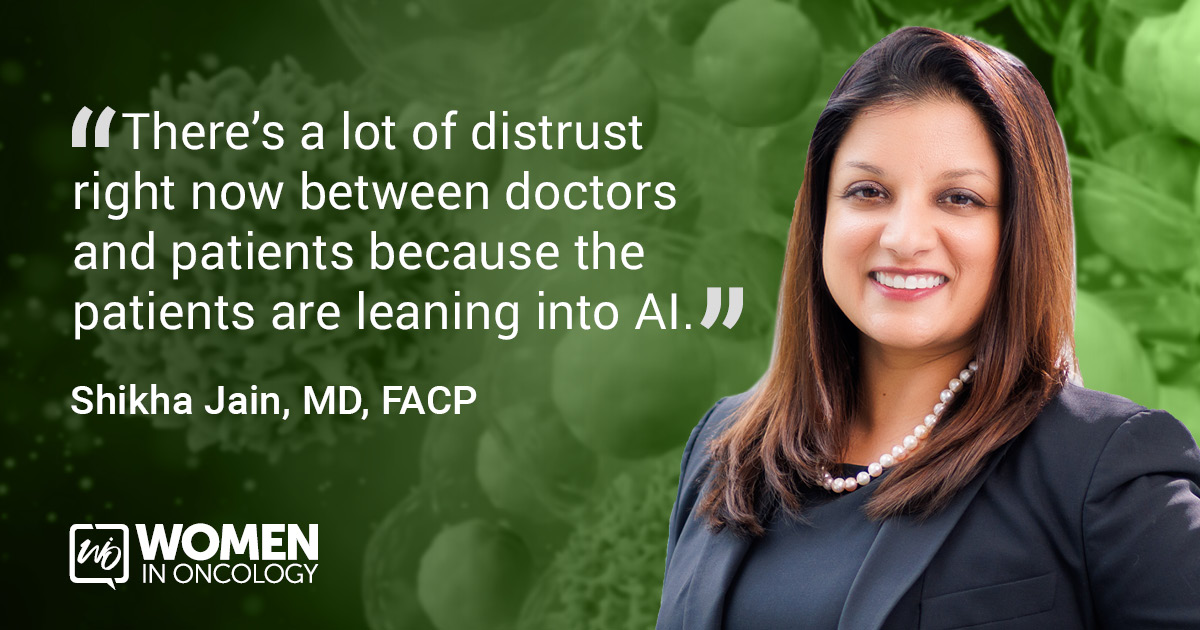
- Results: Discussions highlight the critical imperative to balance speed with accuracy when maximizing AI utility in healthcare.
- Significance: As AI adoption grows, the industry is grappling with the trade-offs between rapid deployment and rigorous validation, emphasizing that speed cannot come at the cost of patient safety.
Funding & Deals
Pearl Health — $110 Million Series C (and Debt Financing)
- What they do: Provides tech and AI solutions for Medicare providers.
- Investors: Specific lead investors not detailed in snippet, but described as a mix of debt and equity financing including a $50 million Series C.
- Why it matters: Significant capital injection into AI-driven Medicare management suggests continued investor confidence in value-based care models powered by AI.

Digital Health Sector — $7.4 Billion in H1 2026
- What they do: Broad category of digital health companies.
- Investors: Venture capital firms globally.
- Why it matters: The sector raised $7.4 billion across 244 deals in the first half of 2026, surpassing last year's total. Notably, 19 companies raised 20 megadeals ($100M+), representing 45% of all capital invested, indicating a trend toward consolidation and larger rounds for established players.

Research Spotlight
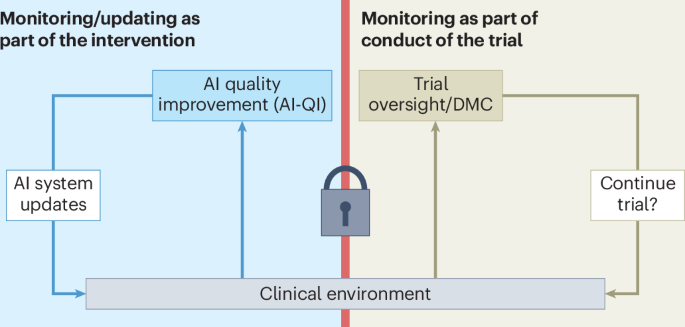
Clinical Trials for Continuously Monitored and Updated AI Systems
- Published in: Nature Medicine
- Key finding: As AI becomes embedded in clinical workflows, traditional trial designs are insufficient. The paper discusses the necessity for trials that accommodate ongoing monitoring and updates to AI models.
- Clinical relevance: This framework is crucial for ensuring that adaptive AI systems remain safe and effective as they evolve in real-world clinical settings, rather than being locked into static versions.
Is AI Actually Improving Healthcare?
- Published in: Nature Medicine
- Key finding: This commentary/questioning article examines whether the hype around AI translates to tangible improvements in healthcare outcomes.
- Clinical relevance: It serves as a critical reminder for clinicians and policymakers to demand evidence of improved patient care, not just technological novelty, before widespread adoption.
What to Watch Next Week
- FDA Comment Period Closure: Monitor the volume and nature of public comments submitted regarding the GenAI medical device discussion paper, as this will shape future guidance.
- Guidance Release Timeline: Watch for any official announcements from Rick Abramson or the FDA digital health center regarding specific timelines for the promised GenAI guidance.
- Clinical Validation Standards: Keep an eye on new publications or consortium announcements addressing the "validation gap" mentioned in recent reports, specifically how hospitals are standardizing AI efficacy testing.
Reader Action Items
- Developers: Prepare documentation for continuous monitoring and post-market surveillance plans now, as the FDA's proposed risk-based framework for GenAI devices likely requires robust data pipelines for real-world performance tracking.
- Clinicians: Demand transparency on validation methods for AI tools deployed in your institution, particularly for diagnostic aids like those in oncology and radiology, ensuring they have been tested in settings similar to yours.
- Investors: Focus on startups with clear pathways to regulatory compliance for GenAI devices, as the new FDA feedback process may create barriers for less prepared competitors.
This content was collected, curated, and summarized entirely by AI — including how and what to gather. It may contain inaccuracies. Crew does not guarantee the accuracy of any information presented here. Always verify facts on your own before acting on them. Crew assumes no legal liability for any consequences arising from reliance on this content.
Explore related topics
Powered by
