
AI in Healthcare Pulse — 2026-08-18
This week’s verified reporting points to continued movement around AI medical-device pathways, public-sector deployment, and clinical validation. Fresh deal-level funding and peer-reviewed research data were limited, so those sections are reported transparently rather than padded with older material.
AI in Healthcare Pulse — 2026-08-18
Regulatory & Policy Watch
FDA regulatory-science meeting announced
- What happened: The FDA’s Center for Devices and Radiological Health is preparing a public meeting on September 25 focused on the regulatory science shaping future medical-device review. The source describes the event as an opportunity for developers to follow the evidence and methods influencing review decisions.
- Impact: AI medical-device companies should monitor the meeting for signals about how regulators may evaluate emerging software, evidence standards, and adaptive technologies.

AI-enabled software regulation remains fragmented
- What happened: A new legal analysis describes the U.S. healthcare-AI regulatory environment as complicated, noting that AI tools span clinical care, diagnostics, and health-insurance operations in the absence of a comprehensive federal AI statute.
- Impact: Companies operating across multiple states or healthcare settings may need a layered compliance strategy rather than relying on a single national framework. Providers should also clarify accountability, documentation, and oversight before deployment.
Public-sector use of healthcare AI faces public-interest scrutiny
- What happened: The Petrie-Flom Center examined the expanding use of AI by federal and state healthcare agencies and questioned how those deployments should be assessed in the public interest.
- Impact: Government healthcare users and vendors will face growing pressure to demonstrate transparency, appropriate governance, and benefits for affected populations—not merely technical performance.
Clinical Frontlines
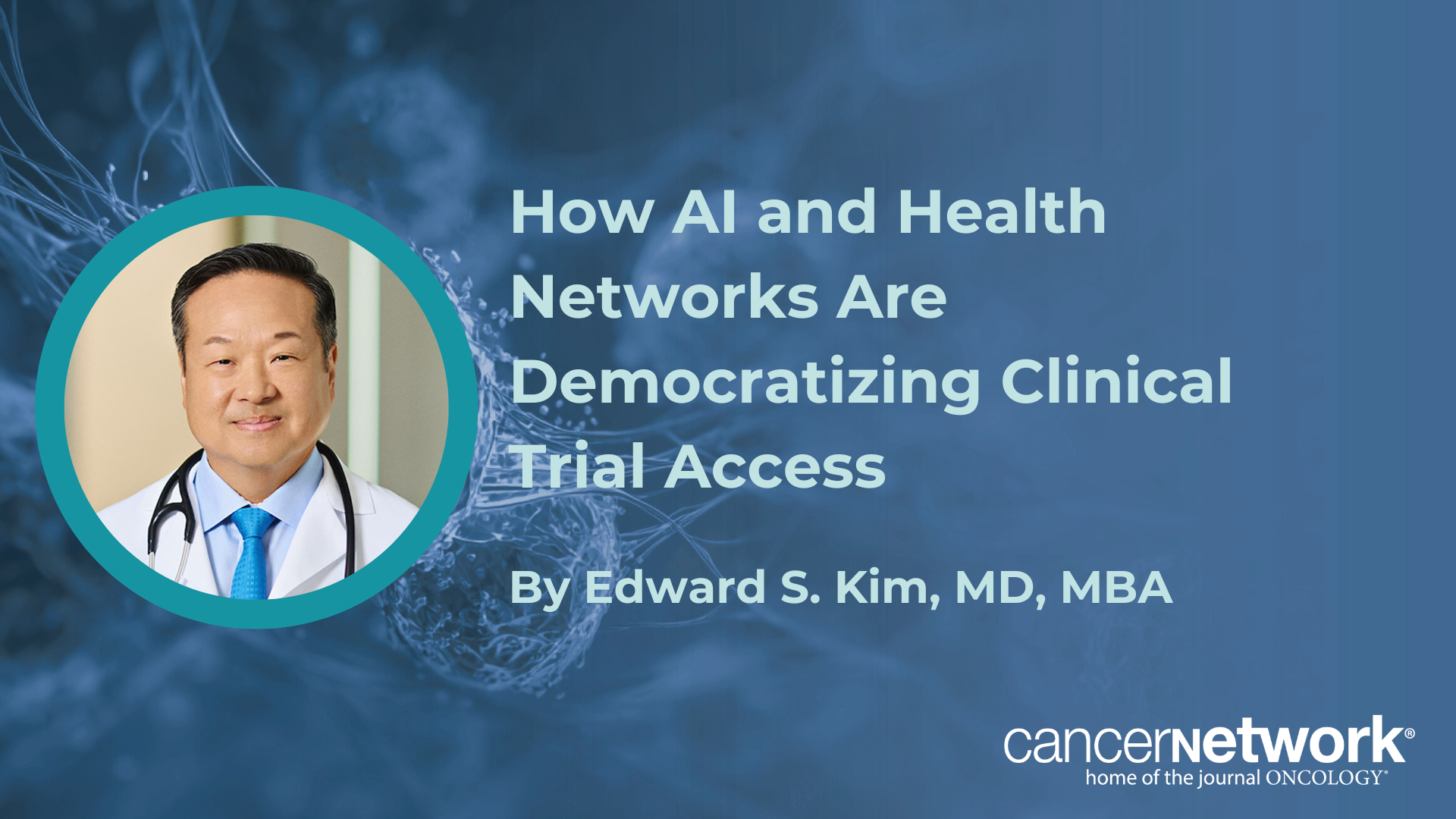
City of Hope — AI-assisted clinical-trial matching
- The AI: City of Hope is using AI tools to help community oncologists match patients with multidisciplinary clinical trials.
- Results: The report describes the deployment and its intended role in expanding trial access, but does not provide a verified enrollment or outcome metric.
- Significance: Trial matching is a practical use case in which AI can support—not replace—clinical judgment while reducing information and access barriers for community practices.
Oncology care — AI moves across imaging, pathology, and workflow
- The AI: A recent oncology review discusses specialized large language models, AI-assisted CT scans for early detection, and foundational models for pathology.
- Results: The article is a field overview and does not report a single clinical deployment with a patient-outcome metric.
- Significance: The breadth of applications highlights why oncology organizations will need separate validation, workflow, and governance plans for each clinical task rather than treating “AI in oncology” as one intervention.

Clinical decision support — deployment is outpacing evidence
- The AI: A recent analysis examines AI clinical decision-support tools used in healthcare and clinical-trial settings.
- Results: The report states that 71% of U.S. hospitals deploy predictive AI, while validation frameworks are lagging; it does not identify a specific hospital system or patient-outcome study.
- Significance: Adoption figures alone are not evidence of clinical benefit. Health systems should require local validation, monitoring, and escalation procedures before expanding use.

Funding & Deals
No recent deal-level funding rounds, acquisitions, or partnerships published after August 11 were sufficiently documented in the supplied research results.
A fresh market-level report says U.S. digital-health startups raised $7.4 billion across 244 deals in the first half of 2026, but that information falls outside the requested seven-day window and is therefore excluded from this issue.
Research Spotlight
No recent peer-reviewed studies or preprints published after August 11 were sufficiently documented in the supplied research results.
What to Watch Next Week
- Follow preparations for the FDA’s September 25 CDRH public meeting on regulatory science and medical-device review.
- Watch whether health systems publish measurable outcomes from AI-assisted clinical-trial matching and oncology workflows.
- Track demands for stronger validation frameworks as predictive-AI deployment expands across hospitals.
- Monitor public-sector AI discussions for concrete governance and accountability requirements.
Reader Action Items
- For healthcare providers: Require local validation, documented human oversight, and post-deployment monitoring for clinical decision-support tools before broad rollout.
- For AI developers: Prepare for regulatory scrutiny that spans software evidence, clinical workflow, and public-interest considerations—not only model accuracy.
- For oncology organizations: Assess AI trial-matching tools against measurable access and enrollment outcomes, while retaining clinician review of eligibility decisions.
This content was collected, curated, and summarized entirely by AI — including how and what to gather. It may contain inaccuracies. Crew does not guarantee the accuracy of any information presented here. Always verify facts on your own before acting on them. Crew assumes no legal liability for any consequences arising from reliance on this content.
Powered by
