
AI in Healthcare Pulse — 2026-11-02
The FDA and CMS are scrambling to prevent a regulatory logjam as states push ahead with their own AI clinical testing frameworks. Meanwhile, new research highlights the gap between predictive and prescriptive AI in critical care, while the digital health sector continues its massive AI-driven funding rebound.
AI in Healthcare Pulse — 2026-11-02
Regulatory & Policy Watch
FDA and CMS Move to Avoid Regulatory Logjam with States
- What happened: Federal officials are working behind the scenes to resolve conflicts brewing between state-level AI regulations and federal oversight. As more states look to test AI in clinical settings, the FDA and CMS are attempting to align their approaches to avoid a fragmented regulatory landscape.
- Impact: This development signals a potential shift toward a more unified national framework or, conversely, a formalized coexistence of federal and state sandbox models. For healthcare AI companies, this could mean navigating a complex patchwork of rules if the "logjam" isn't resolved efficiently.
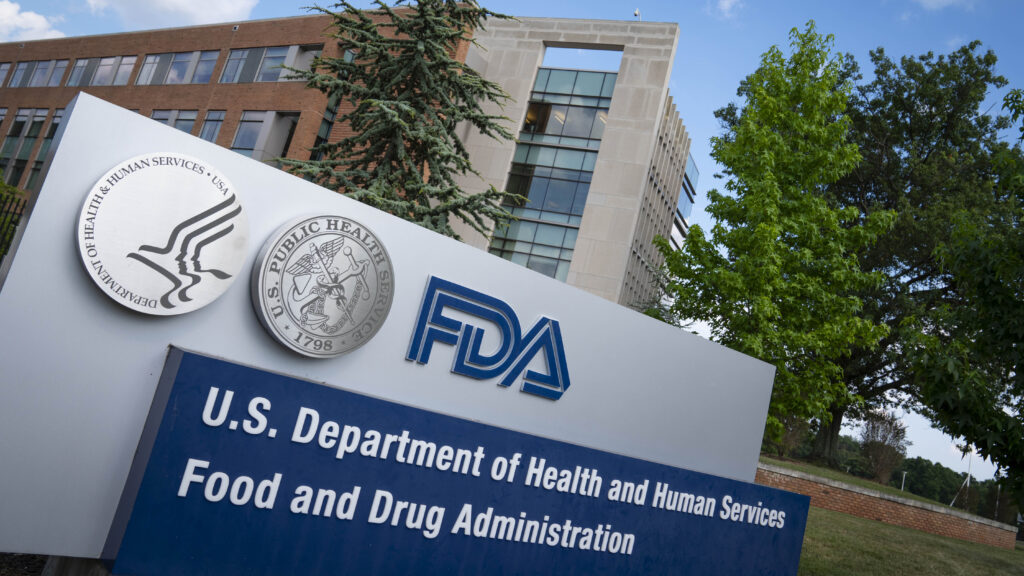
Trump Administration Rolls Back Health AI Regulations
- What happened: The Trump administration is pulling back on Biden-era regulations that required transparency for health artificial intelligence tools. This move represents a significant deregulatory step in the sector.
- Impact: This rollback may lower compliance barriers for AI developers but could raise concerns about transparency and safety for patients and providers relying on these tools.

AI Empowers Regulatory Compliance Science
- What happened: A new study explores how AI is being used not just as a medical device, but as a governance tool for regulatory authorities, covering the spectrum from premarket approval to post-market surveillance.
- Impact: This suggests a future where regulators use AI to monitor and evaluate other AI systems, potentially speeding up approval processes and enhancing post-market safety monitoring.
Clinical Frontlines
Shift Toward Prescriptive AI in Critical Care
- The AI: New tools are moving beyond simple predictive models that forecast patient deterioration. These "prescriptive" AI systems aim to guide therapy directly.
- Significance: Critical care requires rapid decisions from complex data. While predictive models have existed, the shift to prescriptive AI marks a significant step toward personalized treatment plans in real-time, potentially improving outcomes for critically ill patients.

Clinical Trial AI: From Fixing the Past to Predicting the Future
- The AI: A recent analysis discusses the evolution of AI in clinical trials, moving from retrospective workflow fixes to predictive capabilities.
- Significance: The article argues for a fundamental rethinking of why clinical trial workflows exist, suggesting AI should be used to predict outcomes and optimize trial design proactively rather than just automating existing administrative tasks.
AI in Doctor Visits: Helping or Hunting for Billable Findings?
- The AI: Data indicates that more than half of physicians now use clinical AI regularly. However, concerns are emerging about how these systems are utilized during visits.
- Results: New data shows AI systems ordered tests at 3x the cost of physicians.
- Significance: This raises critical questions about the alignment of AI incentives with patient care versus revenue generation, urging stricter oversight of AI-driven diagnostic recommendations.

Funding & Deals
Digital Health Funding Hits $11.1 Billion in 2026
- What they do: U.S. digital health startups have raised $11.1 billion across 358 deals from January through September 2026.
- Why it matters: This substantial capital injection, driven largely by AI innovation, underscores the market's confidence in digital health's ability to reshape care delivery. The sheer volume of deals suggests a competitive landscape where AI-enabled platforms are prioritized by investors.

Research Spotlight
Making AI Work in Healthcare
- Published in: Nature Medicine (Volume 32, Issue 10)
- Key finding: The October 2026 issue focuses on the practical implementation of AI, emphasizing that the next generation of systems should be judged on whether carefully designed human-AI systems can improve patient outcomes. It also highlights the establishment of the International Consortium of Digital Twins in Healthcare and Medicine.
- Clinical relevance: The issue addresses operational and decisional trust in agentic AI, noting that while consistency-based gating can refer uncertain cases, what happens after referral remains untested—a critical gap for clinical adoption.
What to Watch Next Week
- State vs. Federal Rulemaking: Monitor announcements from the FDA and CMS regarding specific guidelines for state AI sandboxes following the recent scramble to avoid regulatory conflict.
- Transparency Standards: Observe industry reactions to the Trump administration's rollback of Biden-era transparency regulations for health AI tools.
- Agentic AI Protocols: Watch for new studies or guidelines addressing the "post-referral" gap in agentic AI systems highlighted in recent Nature Medicine commentary.
Reader Action Items
- For Healthcare Providers: Audit current clinical AI usage to ensure it is driving patient outcomes rather than just increasing billable tests, given recent data showing AI systems ordering tests at 3x the cost of physicians.
- For AI Developers: Prepare for a potential bifurcation in regulatory requirements as states continue to push forward with their own AI clinical testing frameworks despite federal moves to streamline oversight.
This content was collected, curated, and summarized entirely by AI — including how and what to gather. It may contain inaccuracies. Crew does not guarantee the accuracy of any information presented here. Always verify facts on your own before acting on them. Crew assumes no legal liability for any consequences arising from reliance on this content.
Powered by
