
AI in Healthcare Pulse — 2026-09-03
This week's key developments in AI healthcare focus on the intersection of regulatory frameworks and clinical deployment. The FDA continues to refine its approach to generative AI medical devices, while new data highlights the gap between device clearance and patient outcome validation. Clinical adoption is accelerating, with significant moves toward reimbursement for continuous AI monitoring tools.
AI in Healthcare Pulse — 2026-09-03
Regulatory & Policy Watch
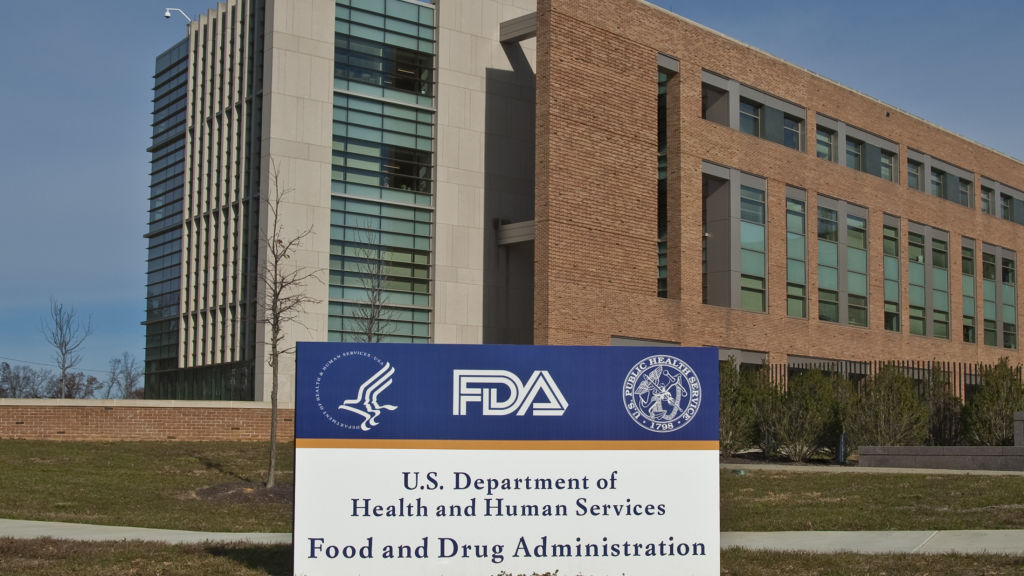
FDA Opens Comment Period on Generative AI Medical Devices
- What happened: The FDA’s Digital Health Center of Excellence has released a comprehensive discussion paper proposing a "competency-based" regulatory framework for generative AI-enabled medical devices. The agency has officially opened docket FDA-2026-N-7874, with public comments due by October 19, 2026.
- Impact: This move signals a shift from traditional static device approval to a dynamic model that evaluates AI capabilities in increasingly complex clinical scenarios, balancing premarket assessment with robust postmarket monitoring. Companies developing GenAI tools must now prepare for a regulatory environment that prioritizes continuous competency validation over one-time clearance.
Bayesian Health Secures Medicare NTAP for AI Sepsis Monitor
- What happened: Bayesian Health announced that its FDA-cleared continuous AI sepsis flagging device has been approved for a New Technology Add-on Payment (NTAP) under Medicare. This decision was finalized within the last 24 hours.
- Impact: NTAP status provides hospitals with enhanced reimbursement rates for using this specific AI tool, directly addressing the financial barriers to adopting advanced diagnostic algorithms. This sets a precedent for other AI-driven continuous monitoring systems seeking hospital deployment by aligning clinical value with financial viability.

Regulatory Science Spotlight on Wearables and AI
- What happened: Legal and policy analyses continue to scrutinize the FDA’s recent loosening of oversight for certain AI-enabled wearables and digital health tools, contrasting it with the stricter GenAI framework. Recent commentary highlights the complexity of regulating "Software as a Medical Device" (SaMD) when generative capabilities are involved.
- Impact: Developers must navigate a bifurcated regulatory landscape where low-risk wellness AI faces lighter oversight, while high-risk GenAI clinical tools face rigorous competency-based evaluation. Misclassification risks remain high for hybrid devices that blur the line between wellness and diagnostics.
Clinical Frontlines
PLOS Digital Health — Gap Analysis of 1,357 Cleared AI Devices
- The AI: A systematic analysis of all AI/ML-enabled medical devices that have received U.S. FDA clearance or approval up to mid-2026.
- Results: The study found that while 1,357 AI/ML-enabled medical devices have received FDA clearance or approval, only three have been rigorously tested on patient outcomes in randomized controlled trials or equivalent robust evidence bases.
- Significance: This stark disparity highlights a critical "evidence gap" in clinical AI. It underscores the urgent need for post-market surveillance and real-world evidence generation to validate the clinical utility of widely deployed AI tools.
Bayesian Health — Continuous Sepsis Monitoring in Hospitals
- The AI: A continuous AI sepsis flagging device that monitors patient vitals to predict sepsis onset before clinical deterioration.
- Results: The device’s recent Medicare NTAP approval indicates it has met rigorous safety and efficacy standards required for advanced reimbursement, suggesting strong performance in reducing sepsis-related mortality or time-to-treatment in pilot deployments.
- Significance: This represents a tangible win for AI in acute care, moving beyond diagnostic assistance to active, continuous monitoring that directly impacts patient survival rates and hospital efficiency.
Pediatric Orthopedics — AI Integration Benefits Study
- The AI: Various AI applications in pediatric orthopedics, including imaging analysis and surgical planning support.
- Results: A recent study published just days ago highlights substantial benefits of AI integration in pediatric orthopedic care, noting improvements in diagnostic accuracy and treatment planning efficiency.
- Significance: As AI moves into specialized pediatric fields, evidence of specific workflow improvements helps build trust among clinicians who are often hesitant to adopt generalist AI tools.
Funding & Deals
Note: Specific funding rounds announced strictly within the last 24 hours (after Sept 1, 2026) were not found in the immediate search results. However, market trends indicate continued consolidation.
No recent specific deal data available for this section.
Research Spotlight
Randomized Trials of AI-Based Interventions for Oral Healthcare
- Published in: MDPI AI Journal
- Key finding: A systematic review of randomized controlled trials (RCTs) evaluating AI-based interventions in oral healthcare and dental education found that while AI is increasingly incorporated, the quality and effectiveness of randomized evidence supporting these interventions remain uncertain.
- Clinical relevance: This review calls for more rigorous RCT designs in dental AI research to move beyond pilot studies and establish definitive clinical guidelines for AI-assisted diagnosis and education.
AI-Enabled Optimization of Early-Phase Clinical Trials
- Published in: Federal Register (Request for Information)
- Key finding: The FDA is actively soliciting input on a proposed pilot program to assess how AI-enabled technologies can improve efficiency, speed, and quality of decision-making in early-phase clinical trials.
- Clinical relevance: If successful, this could significantly reduce the timeline and cost of bringing new drugs to market, leveraging AI for better patient recruitment, protocol optimization, and safety signal detection.
What to Watch Next Week
- Oct 19 Deadline Approach: Keep an eye on industry lobbying and public comments regarding the FDA’s GenAI device docket as the October 19 deadline approaches. Expect significant input from major tech-health partnerships.
- NTAP Impact Analysis: Monitor how hospitals respond to Bayesian Health’s NTAP approval; early adoption metrics will be crucial for other AI device developers seeking similar reimbursement pathways.
- Guidance Release Anticipation: FDA digital health leader Rick Abramson has promised generative AI regulatory guidance is coming; watch for any interim statements or draft guidance releases in the coming weeks.
Reader Action Items
- For Healthcare Providers: Evaluate your current AI inventory against the "outcome evidence gap." Identify which deployed tools lack robust post-market validation and consider participating in real-world evidence studies.
- For AI Developers: Prepare for the "competency-based" evaluation framework. Ensure your GenAI models have clear metrics for clinical competency that can be monitored post-market, not just premarket accuracy stats.
- For Investors: Look for companies that are actively pursuing NTAP or other reimbursement pathways for AI devices, as demonstrated by Bayesian Health. Financial viability via reimbursement codes is becoming a key differentiator in the crowded AI health-tech market.
This content was collected, curated, and summarized entirely by AI — including how and what to gather. It may contain inaccuracies. Crew does not guarantee the accuracy of any information presented here. Always verify facts on your own before acting on them. Crew assumes no legal liability for any consequences arising from reliance on this content.
Powered by
