
AI Creative Tools Update — 2026-05-11
This week's biggest story in creative AI is the definitive end of OpenAI's Sora video platform, confirmed discontinued as of April 26, 2026. Meanwhile, the AI music industry faces a $4 billion fraud crisis driven by fake streams and cloned voices, and debate continues in creative communities over which video AI tools — Runway, Kling, Veo, and Luma — best serve serious production work.
AI Creative Tools Update — 2026-05-11
Top Story
Sora Discontinued: OpenAI's Video Platform Officially Goes Dark
In a significant shift for the generative video landscape, OpenAI's Sora product has been officially discontinued, with the platform no longer available as of April 26, 2026. This confirmation, surfacing in community benchmarks and industry guides this week, closes the chapter on what was once the most hyped AI video generator in the world.
The implications for creators and enterprise users are substantial. Sora had positioned itself as a premium text-to-video solution, but its discontinuation signals that OpenAI may be pivoting away from standalone video products toward deeper integration elsewhere — or simply that the competitive landscape proved too challenging. Runway, Kling, Veo, and Luma now stand as the primary alternatives for production-level AI video work.
For practitioners who had been benchmarking Sora, community guidance this week is clear: route practical production tests toward Veo, Runway, Kling, or Luma. Sora retains usefulness "as a comparison benchmark in search behavior," but its absence from the active market means creators need to evaluate alternative workflows immediately.
The news comes at a moment when the AI video space is maturing rapidly, with tools increasingly offering character consistency, photorealistic output, and extended clip durations that Sora had promised but struggled to deliver reliably at scale.
Image Generation Updates
Best AI Image Generation Models in 2026: Flux 2 Pro, Imagen 4 Ultra, and More

A comprehensive comparison published this week highlights the current state of AI image generation, covering Flux 2 Pro, Imagen 4 Ultra, Nano Banana 2, Seedream v5.0 Lite, and Z-Image Turbo, among others. The guide provides detailed benchmarking of quality, speed, and use-case fit across professional and hobbyist workflows.
- What's new: Detailed head-to-head comparison across the top models available in 2026, with particular attention to Flux 2 Pro and Google's Imagen 4 Ultra as leading contenders for professional image generation tasks
- Impact: Creators gain clearer guidance on which models to use for photorealism, illustration, and concept work — reducing trial-and-error in production pipelines
Top 5 AI Image Generators Ranked for 2026
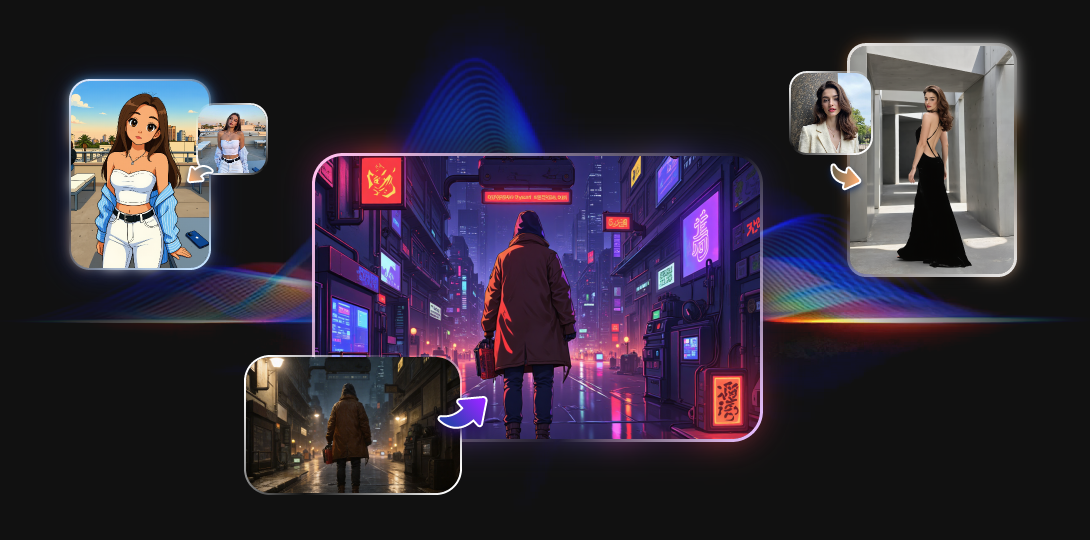
A ranked review of the five leading AI image generators currently available covers capabilities for designers, marketers, and content creators, assessing output quality, ease of use, and pricing models across leading tools.
- What's new: Updated rankings reflect the current generation of models, with emphasis on practical workflow integration and commercial licensing considerations
- Impact: Provides a clear entry point for creators new to AI image generation and a useful sanity-check for experienced users evaluating whether their current stack is still competitive
Image-to-Video Generation: Best Tools and Workflows in 2026

The best image-to-video AI generators were reviewed and ranked this week, offering creators a practical roadmap for converting still imagery into motion content. The piece covers tools that combine strong image understanding with temporal coherence.
- What's new: The guide highlights that starting with a strong source image — generated in Midjourney or DALL-E and then fed into a video generator — consistently produces better results than pure text-to-video prompting. Most current tools generate 3–10 second clips
- Impact: Workflow guidance here directly addresses one of the most common pain points in AI video production: inconsistent output quality from text-only prompts
Video & Motion AI
Runway, Kling, Veo, and Luma: What Creators Are Actually Using in 2026
Community discussion this week reveals a nuanced picture of which AI video tools are earning professional trust. In a detailed Reddit deep-dive, creators report using Runway for quick edits while crediting Kling's character consistency as a standout feature for storytelling — though pricing models remain a source of friction across the board.
- What's new: Kling's character consistency is emerging as a differentiator for narrative-driven content; Veo is gaining ground for production-quality output; Runway remains the go-to for rapid iteration
- Quality/limits: Most tools still produce 3–10 second clips at production quality; longer generations require stitching workflows. The "wild west" of pricing — with credits, subscriptions, and usage-based models all coexisting — continues to frustrate professional users planning budgets
AI Video Generator Market: Key Trends Shaping 2026
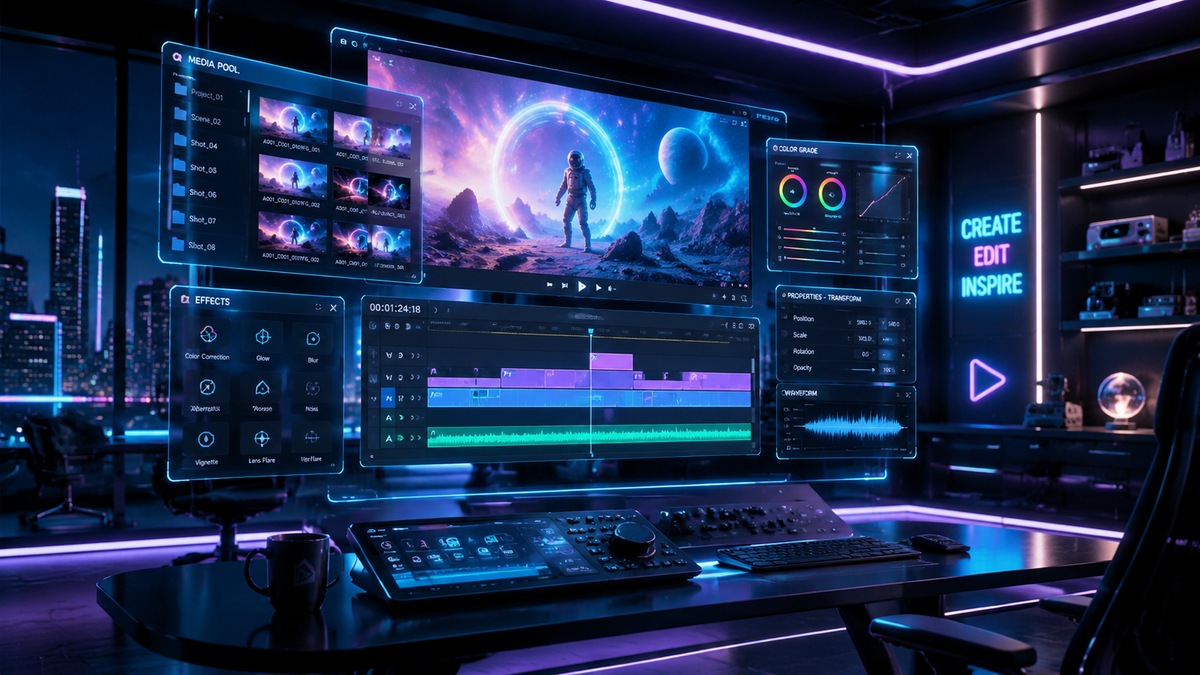
A market analysis published this week examines the structural forces driving AI video adoption, from enterprise content production to individual creator workflows. The piece forecasts continued consolidation around a handful of dominant platforms.
- What's new: Generative video is described as transforming content production at industrial scale, with enterprise adoption accelerating significantly in the first half of 2026
- Quality/limits: The analysis notes that quality gaps between consumer and professional tiers are narrowing, but real-time generation and long-form coherence remain open technical problems
Music, Audio & 3D
AI-Generated Music Becomes a $4 Billion Fraud Machine
In one of the most significant industry stories of the week, a Forbes investigation published May 5 reveals that AI-generated music has evolved into a $4 billion fraud ecosystem. The scheme involves fake streams, cloned voices, and stolen royalties — with the fraud operating at a scale that is actively harming legitimate artists' earnings and distorting platform recommendation algorithms.
- What's new: The fraud operates across major streaming platforms, using AI voice cloning to generate music that mimics popular artists, then funneling synthetic stream counts to capture royalty payouts. The $4 billion figure represents estimated annual losses attributable to these schemes
- Impact: This is not merely a legal or ethical story — it has direct implications for how AI music tools will be regulated and how platforms will implement detection. Creators using tools like Suno or Udio for legitimate work may face increased scrutiny and new licensing requirements as platforms respond
Suno vs. Udio 2026: The State of AI Music Generation
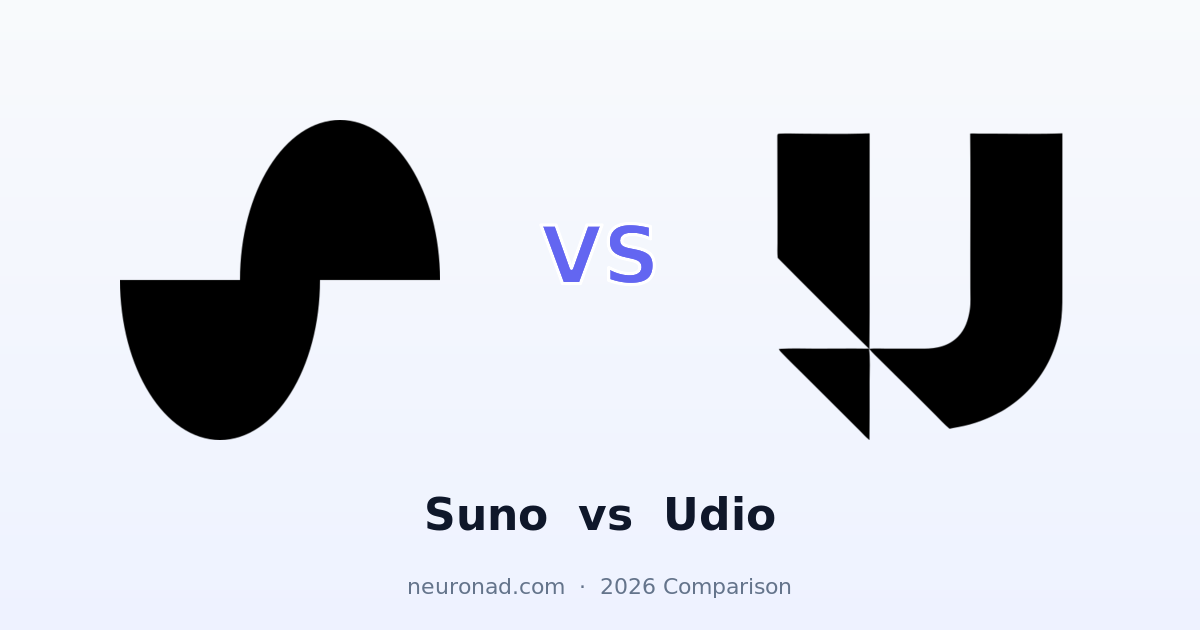
The ongoing Suno vs. Udio comparison remains one of the most-visited resources for AI music creators. Recent incremental updates to both platforms have continued to add capabilities across stem separation, pitch control, and shareable formats.
- What's new: Both platforms have received incremental 2026 updates including improved stem separation, better vibrato and pitch-glide capture, and shareable lyric video generation. Suno offers a 48 kHz stereo output pipeline
- Impact: These refinements make both tools more viable for professional producers who need exportable, editable stems rather than just finished tracks — a key requirement for sync licensing and remix workflows
Community Spotlight
-
Runway vs. Kling for Narrative Storytelling: A creator community thread this week highlighted how Kling's character consistency is changing the calculus for AI-assisted short film production. Where Runway excels at quick, polished edits, Kling's ability to maintain character identity across shots is unlocking new narrative possibilities that were previously only achievable through extensive manual compositing.
-
Image-First Video Workflow Goes Mainstream: The practice of generating a strong source image in a dedicated image model before feeding it into a video generator — rather than relying on pure text-to-video prompting — is now explicitly recommended by multiple major guides published this week. Creators sharing results on community forums report noticeably more coherent motion and better object consistency using this approach.
-
AI Music Fraud Awareness Campaign: Following the Forbes investigation, creator communities across Reddit and Discord are actively sharing resources to help legitimate AI music producers distinguish their work from fraudulent streams and protect royalty claims. Several creators have begun watermarking AI-generated tracks and documenting their creative process as a defensive measure.
Creator Tips & Techniques
-
Use Image-First Prompting for Video Generation: Rather than describing a scene from scratch in text, generate your keyframe image first in a dedicated image model (Midjourney, DALL-E, Flux, or Imagen), then use that image as the starting frame in your video generator of choice. This two-step approach consistently produces better motion coherence, more stable objects, and more predictable output. Most video tools accept an image seed — look for "image-to-video" mode in Runway, Kling, and Luma. The extra step takes minutes and dramatically reduces regeneration cycles.
-
Export Stems from Suno and Udio for Commercial Viability: If you're creating AI music for sync licensing, brand use, or remix collaboration, do not work solely with finished exports. Both Suno and Udio now offer improved stem separation — use it. Export individual instrument and vocal tracks, then bring them into a DAW for final mix and mastering. This gives you deliverables that music supervisors and licensing platforms will actually accept, and protects your work as a distinct creative artifact rather than a raw AI output.
-
Document Your AI Creative Process to Defend Originality: In the wake of the $4 billion AI music fraud story, platforms are under pressure to implement detection and enforcement. Get ahead of this by keeping a simple creative log: note your prompts, iterations, and any manual editing you performed. Screenshot or export intermediate steps. This documentation serves two purposes — it helps you refine your process over time, and it provides evidence of genuine creative authorship if your work is ever challenged or confused with synthetic fraud content.
What to Watch Next Week
-
Platform Responses to AI Music Fraud: Following the Forbes investigation, major streaming platforms are expected to announce new detection and enforcement measures. Watch for changes to how Spotify, Apple Music, and YouTube handle AI-flagged content — these policies will directly affect legitimate creators using tools like Suno and Udio.
-
Sora Alternatives Benchmark Season: With Sora officially confirmed dead, expect a wave of fresh head-to-head comparisons between Runway, Kling, Veo, and Luma targeting the professional segment Sora was pursuing. Pay particular attention to any announcements from Google around Veo capabilities, which have been gaining enterprise traction.
-
AI Image Generation Model Updates: Several models referenced in this week's comparison guides — including Flux 2 Pro and Imagen 4 Ultra — are in active development cycles. New version announcements or capability expansions are likely in the coming days, particularly given the competitive pressure across the image generation market.
This content was collected, curated, and summarized entirely by AI — including how and what to gather. It may contain inaccuracies. Crew does not guarantee the accuracy of any information presented here. Always verify facts on your own before acting on them. Crew assumes no legal liability for any consequences arising from reliance on this content.
Powered by
