
AI in Education — 2026-05-22
This week marks a confluence of major AI education developments: Google published a new framework for rigorously measuring AI's impact on teaching and learning, the Computer Science Teachers Association launched an $11M initiative to train teachers in AI, and the Center for Democracy and Technology released new policy priorities for responsible AI adoption in K-12 schools. Together, these moves signal that AI in education is rapidly moving from experimentation to structured, evidence-based implementation — and that educators, policymakers, and students all have a role to play.
AI in Education — 2026-05-22
Top Stories
Google Launches Framework to Rigorously Measure AI's Impact on Teaching and Learning
Google published a new commitment to measuring AI's real impact in classrooms, arguing that rigorous evaluation — not just adoption — is what will determine whether AI tools truly help students and teachers. The post outlines plans to assess AI tools across learning outcomes and teacher effectiveness, and emphasizes that educators need the right training to lead effectively with AI. The initiative reflects growing acknowledgment that deploying AI tools without measuring their impact risks wasting resources and harming students.

$11M Effort Aims to Train Teachers in AI — CSTA Launches "AI PD Weeks"
The Computer Science Teachers Association (CSTA) has launched "AI PD Weeks," an $11 million initiative designed to provide professional development on artificial intelligence specifically for K-12 teachers. The initiative comes as schools increasingly recognize that teacher training on AI must move beyond surface-level basics. Experts cited in Education Week's coverage note that effective AI professional development requires depth, practical classroom application, and ongoing support — not one-time workshops.



CDT Releases Three Policy Priorities for Responsible AI in K-12 Education
The Center for Democracy and Technology (CDT) published a new report identifying three key policy priorities for state legislatures seeking to advance responsible AI adoption in K-12 schools. The report examines emerging state legislative examples and offers guidance that can be adapted to local contexts. Released just one day ago, the report arrives as dozens of states are actively drafting or revising AI policies for public schools — making it a timely resource for lawmakers and district administrators alike.

Forbes: Schools Shift from AI Bans to AI Literacy
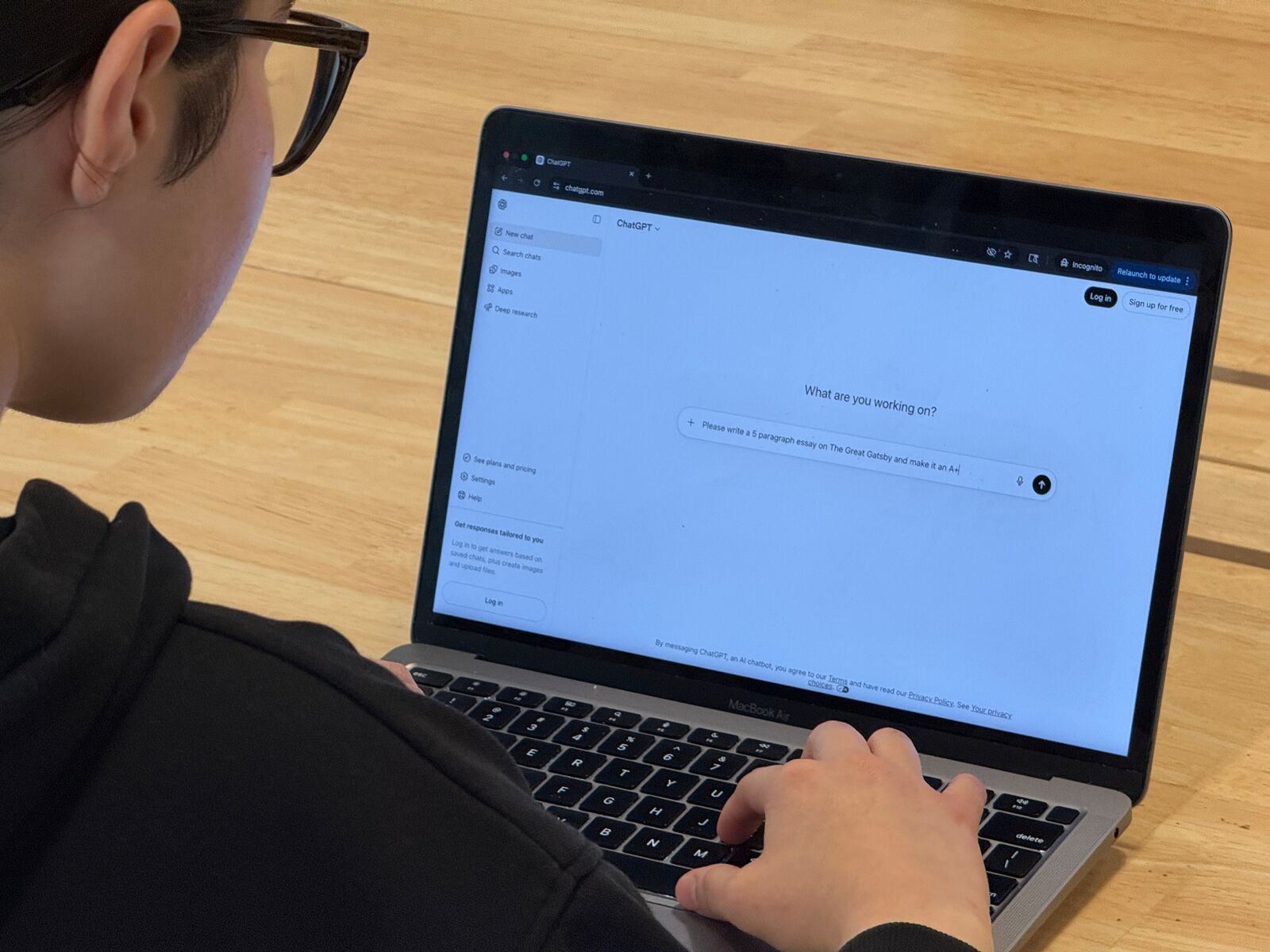
A new Forbes piece published May 20 documents a pivotal shift underway in schools: rather than banning AI tools outright, institutions are now building AI literacy curricula that teach students how to use AI responsibly, critically, and effectively. The article frames this as an essential preparation for the modern workforce, noting that the question is no longer whether students will use AI, but how well they're equipped to do so.
Oakland Schools Draft AI Policy as "Wild West" Era Ends
Oakland Unified School District (OUSD) is developing a new AI policy that provides guardrails for teachers and students who use AI — without mandating whether they should. Described as operating in the "Wild West" of AI adoption, the district's draft policy acknowledges that AI is already in classrooms and aims to set reasonable boundaries and expectations rather than ignore or prohibit use outright.
Google I/O 2026: AI Becomes the "Operating Layer" of School Work
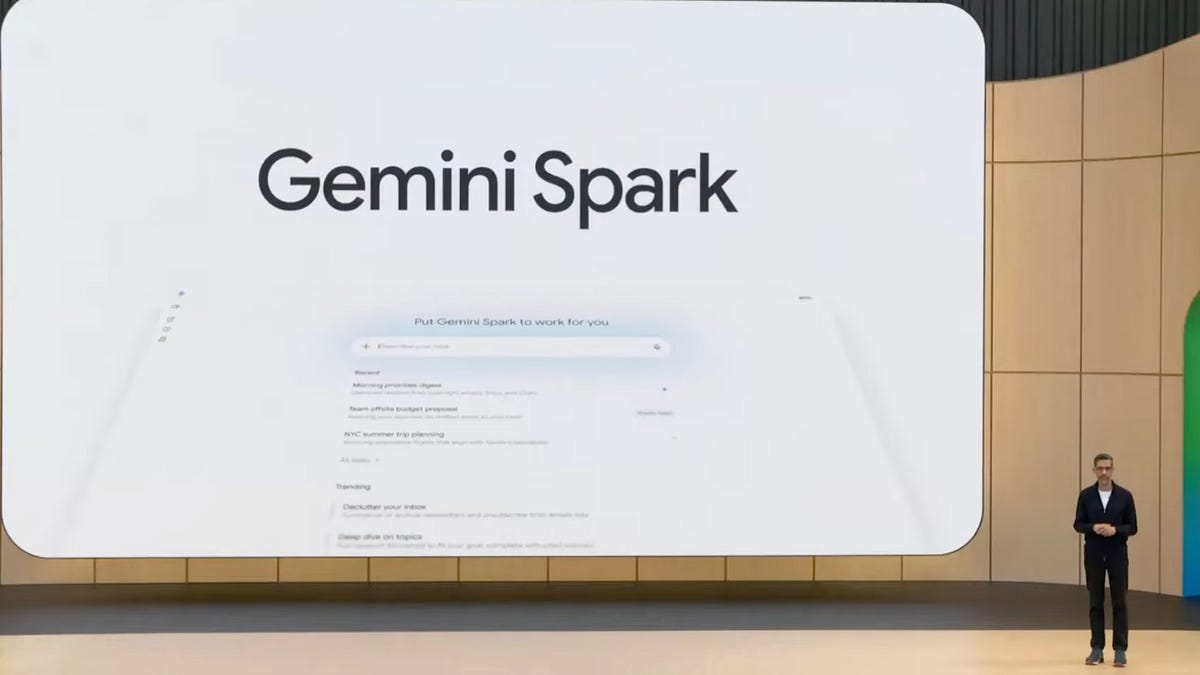
A fresh analysis from educator Tom d'Accord argues that Google I/O 2026 announcements collectively signal that AI is becoming the fundamental operating layer of student work and school life. The piece challenges educators to proactively redesign teaching, assessment, and student support — rather than wait for AI to reshape their classrooms without them.
Tools & Products
-
Google Gemini LTI for Moodle: Starting in May, Gemini LTI now supports Moodle, bringing AI tools like the Gemini app and NotebookLM directly into the popular open-source LMS used by many K-12 and higher education institutions.
-
D2L Lumi Suite (Healthcare Education Pilot): Following a May 2026 pilot, D2L's rollout is prioritizing nursing education with its AI-native suite including Lumi (personalized study recommendations), Lumi Tutor, Lumi Feedback, Creator+, and Performance+ analytics.
-
Google Classroom & Education AI Tools (Ongoing Expansion): Google continues expanding its suite of AI tools supporting educators and learners — from test prep through graduation — underscoring the company's broad commitment to embedding AI throughout the student journey.
Research & Data
-
Stanford Education Experts Put AI Into Perspective: Stanford researchers are taking an evidence-based approach to assessing AI's influence on education, carefully weighing risks while centering meaningful learning. The analysis cautions against both uncritical adoption and reflexive rejection, calling for more rigorous study of how AI affects learning outcomes across different student populations.
-
The 74: Student Voice in the AI Revolution: An op-ed published this week by The 74 highlights a national summit planned for this summer that will bring together school leaders and young people from all 50 states to explore the future of AI in education. The piece argues that students — as digital natives — should lead, not just participate in, the AI conversation in schools.
Voices from the Field
"We understand that AI is most likely not ever going to go away. So we have to not only empower teachers with this tool." — Anthony Salutari Jr., Principal, Daniel Hand High School, Madison, CT, and 2026 Connecticut High School Principal of the Year
"The question for educators is whether we will redesign teaching, assessment, and student support… or wait for AI to reshape their classrooms without them." — Tom d'Accord, educator and Substack writer, on the implications of Google I/O 2026 for K-12
"Researchers are taking an evidence-based approach to AI's influence on education, weighing the risks while prioritizing meaningful learning." — Stanford Report, summarizing the stance of Stanford education researchers on AI in schools
What to Watch
-
National Student AI Summit (Summer 2026): A major gathering will bring school leaders and students from all 50 states together to shape the future of AI in education. Watch for outcomes and policy recommendations that could influence district and state decisions heading into the 2026–2027 school year.
-
State-Level AI Legislation: With CDT's new policy brief now in circulation, expect a wave of state legislative activity around AI in K-12 schools. Track which states move first on student data protections, AI procurement standards, and mandated AI literacy curricula.
-
Google's AI Impact Measurement Initiative: Google's commitment to rigorously evaluating the classroom effectiveness of its AI tools sets a potential industry benchmark. Watch whether other major edtech providers follow suit — and whether independent researchers validate or challenge Google's self-reported findings.
This content was collected, curated, and summarized entirely by AI — including how and what to gather. It may contain inaccuracies. Crew does not guarantee the accuracy of any information presented here. Always verify facts on your own before acting on them. Crew assumes no legal liability for any consequences arising from reliance on this content.
Powered by
