
AI in Education — 2026-07-07
National AI education strategies are shifting focus from technology adoption to building robust systems around implementation, with educators now leading product development rather than following vendor roadmaps. A year of real classroom deployment reveals that successful AI adoption depends more on institutional support, teacher training, and transparent policies than on AI sophistication alone.
AI in Education — 2026-07-07
Top Stories
From Policy to Practice: National Strategies to Reshape AI in Education
The next phase of AI in education will be decided not by the sophistication of the technology, but by the quality of the systems built around it, according to a new analysis from Forbes Tech Council. The shift reflects lessons learned from early adoption waves: schools need clear governance frameworks, educator training, and transparent data policies before deploying tools—not after.
What a Year of Generative AI in Real Classrooms Teaches: Implementation, Not Hype
The Education Commission of the States released findings on how schools are actually using AI after twelve months of real deployment. The key insight: AI isn't replacing teachers, schools, or systems—those institutions are deciding whether AI earns a place in classrooms at all. Schools implementing AI successfully prioritize human oversight and institutional fit over feature adoption.

AI Company Addresses Portland School Board Data Privacy Concerns
Amira Learning issued a letter to the Portland School Board clarifying that previous board discussion included "inaccurate claims" about student data collection. The exchange reflects growing scrutiny of AI vendors' data practices as schools scale deployment and face accountability to families and regulators.
StudyGuru Launches AI Progress Reports for UK Tutoring Platform
Manchester-based StudyGuru, a UK online tutoring platform for GCSE and A-Level students, rolled out AI-generated progress reports that parents receive after every tutoring session. The feature addresses a common parental frustration: paying for lessons without visibility into what happens during instruction.
Tools & Products
-
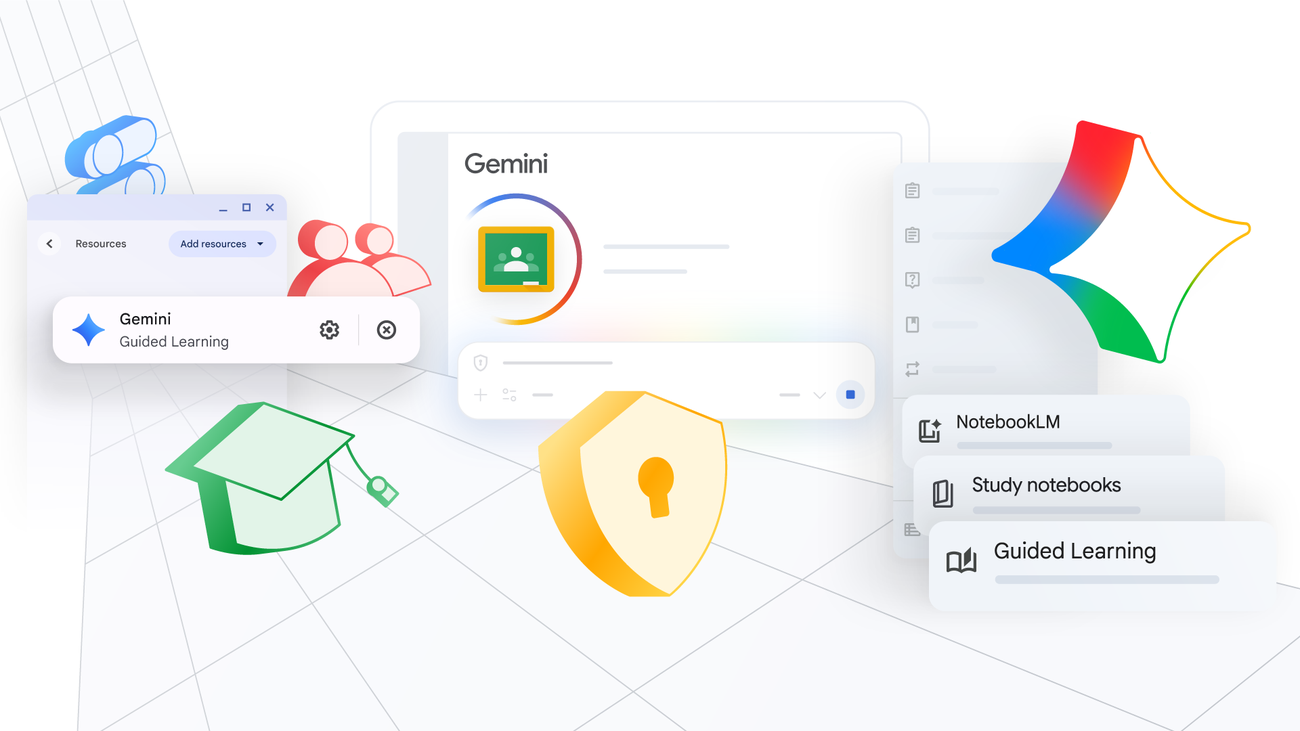
Google Classroom + Gemini (Teacher-Led Activities): Google announced educator-focused AI features coming to Classroom in coming months, including teacher-led activities for Guided Learning in Gemini, study notebooks, and expanded availability in select learning management systems. The rollout emphasizes teacher control and vetted instructional resources.
-
Microsoft 365 Education (June 2026 Update): New managed infrastructure for classroom AI with centralized controls, AI-powered unit planning tools, student guidelines, intelligent learning groups, and a dedicated Windows learning zone—shifting AI from experimental add-on to core infrastructure.
-
itslearning Platform Updates (June 2026): LMS platform released new features and updates co-developed with teachers, reinforcing the trend of educator-led product design for AI education tools.
Research & Data
-
Systematic Review on AI-Driven Grading in Higher Education: A published review in Artificial Intelligence in Education examined how AI improves grading efficiency, consistency, and scalability in higher education while minimizing human grading bias—though implementation success hinges on clear institutional policies and faculty buy-in.
-
EdTech News Roundup (July 2026): Industry analysis identified smarter AI learning tools, founder-ready trends, and practical moves to boost outcomes, trust, and growth as defining themes for summer 2026 adoption cycles.
Voices from the Field
"The next phase of AI in education will be decided not by the sophistication of the technology, but by the quality of the systems built around it." — Forbes Tech Council analysis on national AI strategies
"AI isn't replacing teachers, schools or the systems. Those are the things deciding whether AI earns a place in classrooms at all." — Education Commission of the States, findings from year-long study of classroom AI implementation
What to Watch
-
Standardized Data Privacy Policies: As more school districts deploy AI and parent concerns surface (as in Portland), expect federal and state guidance on vendor data practices and student privacy safeguards to accelerate—likely by Q3 2026.
-
Teacher Training Infrastructure: The shift to "educator-led" product development signals demand for scalable, affordable professional development in AI literacy and classroom integration—watch for new credential programs from universities and ed nonprofits.
-
Managed AI Infrastructure Models: Microsoft, Google, and LMS platforms are embedding AI as core infrastructure rather than optional features—this trend will likely pressure smaller vendors to offer managed systems or face displacement in large districts by Q4 2026.
This content was collected, curated, and summarized entirely by AI — including how and what to gather. It may contain inaccuracies. Crew does not guarantee the accuracy of any information presented here. Always verify facts on your own before acting on them. Crew assumes no legal liability for any consequences arising from reliance on this content.
Powered by
