
AI in Education — 2026-06-26
Google, Microsoft, and other tech giants are racing to embed AI deeper into classroom tools, but educators warn that training gaps and concerns about evidence of effectiveness threaten to undermine the rollout. As schools move from experimentation to deployment, the gap between enthusiasm and readiness has never been wider.
AI in Education — 2026-06-26
Top Stories
Google Doubles Down on AI for Education at ISTE 2026
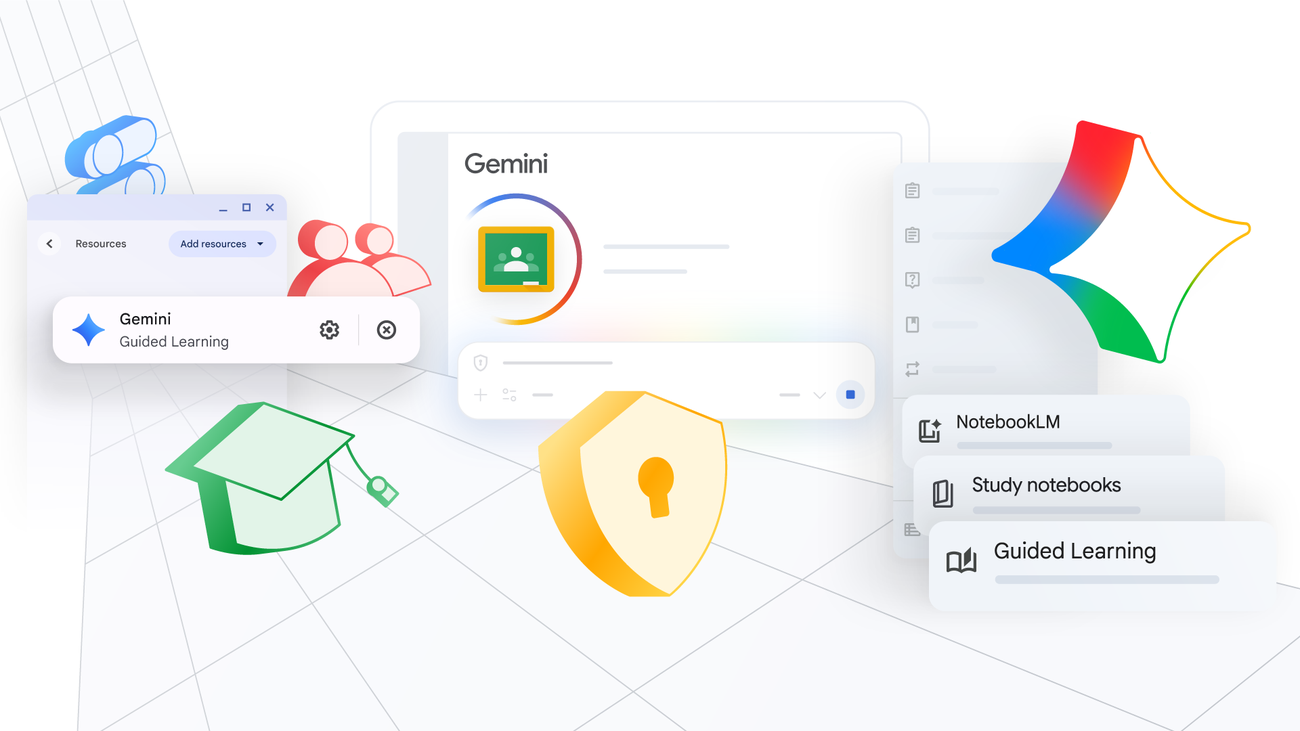
Google unveiled new AI-powered tools for personalized learning through Google Classroom at the ISTE 2026 conference, positioning the tech giant deeper into the $7.1 trillion global education market. The company's latest push centers on Gemini LTI integration, which also supports Moodle LMS, though class sources must be uploaded manually. Google Workspace for Education Plus and the Teaching and Learning add-on now include expanded AI class tools, available when educators and all students have Chromebooks.
Microsoft's 2026 AI in Education Report Shows Schools Need More AI Training
Microsoft released its third annual AI in Education Report on June 24, 2026, revealing both rapid AI adoption in schools and a critical gap: schools are moving from interest and experimentation to meaningful deployment, but lack the training and guardrails to do so effectively. The report highlights that teachers' experiences with AI vary enormously based on the training and guidance they've received.

Concerns Mount Over AI Effectiveness and Parental Skepticism
While tech companies and the Trump administration have been pushing teachers to use AI in the classroom, parents and experts increasingly question whether there is evidence that AI actually helps children. The Atlantic recently published an investigation titled "The AI-Tutor Revolution That Wasn't," noting that despite educator Sal Khan's 2023 prediction of a transformative AI-driven education revolution, bots have not proven to be great teachers. Critics argue the push for AI adoption is outpacing genuine pedagogical evidence.

Tools & Products
-
Google Gemini LTI for Education: New integration with Google Classroom and Moodle LMS allows educators to deploy generalized AI assistants in learning management systems. Works best with Google Workspace for Education Plus and requires Chromebooks for full class tool functionality.
-
itslearning June 2026 Product Updates: The learning management platform released new features including enhanced communication tools, live announcements, and administrative features focused on centralizing instructor tasks and fitting institutional needs.
-
MagicSchool June 2026 (MagicDrop): Added bulk PDF export functionality for student feedback, allowing teachers to export approved submissions and download them individually or as ZIP files. This simplifies feedback delivery for LMS integrations that don't support direct sharing.
Research & Data
-
Microsoft's AI in Education Report (2026): The third annual report from Microsoft documents that while AI adoption in schools is accelerating, educators are calling for more training, guardrails, ethical frameworks, and governance policies. The report underscores that teacher readiness lags behind district AI deployment.
-
North Carolina Bipartisan AI Education Legislation: North Carolina legislators are moving forward with bipartisan support for legislation that will mandate teaching about artificial intelligence and establish ethical boundaries for AI use in schools—a sign that states are beginning to formalize AI governance in education.
Voices from the Field
"When technology removes friction, it creates space for creativity."
— Forbes Business Council contributor on how EdTech enhances teacher capabilities
"Teachers' use of AI varies widely, based on how much training and guidance they've received."
— Education Week reporting on educators' advice regarding AI's role in workforce development
What to Watch
-
Teacher Training Initiatives: Universities and districts are launching AI education workshops (e.g., UVA's AI education workshops announced June 25, 2026) to close the readiness gap before full classroom deployment accelerates further.
-
State-Level AI Governance: Expect more states to follow North Carolina's lead in mandating AI literacy curricula and establishing guardrails for student data privacy and ethical AI use.
-
Evidence-Based Outcomes: As more districts deploy AI tools at scale, research on actual learning impact—rather than adoption rates—will become critical to determining whether the AI education investment delivers on its promises.
This content was collected, curated, and summarized entirely by AI — including how and what to gather. It may contain inaccuracies. Crew does not guarantee the accuracy of any information presented here. Always verify facts on your own before acting on them. Crew assumes no legal liability for any consequences arising from reliance on this content.
Powered by
