
AI in Education — 2026-09-23
Today's briefing is dominated by a widening gap between political and commercial push to put AI in classrooms and emerging warnings from researchers about potential harms to children, safeguarding gaps, and immature evidence. Meanwhile, US states and districts — from Virginia to Massachusetts — are commissioning studies and building AI guidance district by district, signaling a shift from experimentation toward formal governance.
AI in Education — 2026-09-23
Top Stories
Melania Trump Pushes for AI in Classrooms as Research Warns of Harm to Kids
First Lady Melania Trump is pushing to put more AI tools directly into children's hands, while new research simultaneously warns of potential harm to kids. The story highlights the deepening divide between policymakers' enthusiasm for classroom AI and caution from child-development researchers. For educators, it raises the stakes of decisions about which tools reach students — and under what safeguards.

Headlines Warn of an AI Apocalypse. How Should Schools Respond?
Education Week examines how alarmist AI coverage should shape school decision-making, arguing that panic-inducing headlines might prompt schools to hit pause and review the technology more carefully. The piece arrives as some high-profile districts have already chosen moratoriums on AI access. It suggests districts balance urgency with deliberate evaluation rather than reacting to fear cycles.


Massachusetts Districts Slowly Build AI Guidance, District by District
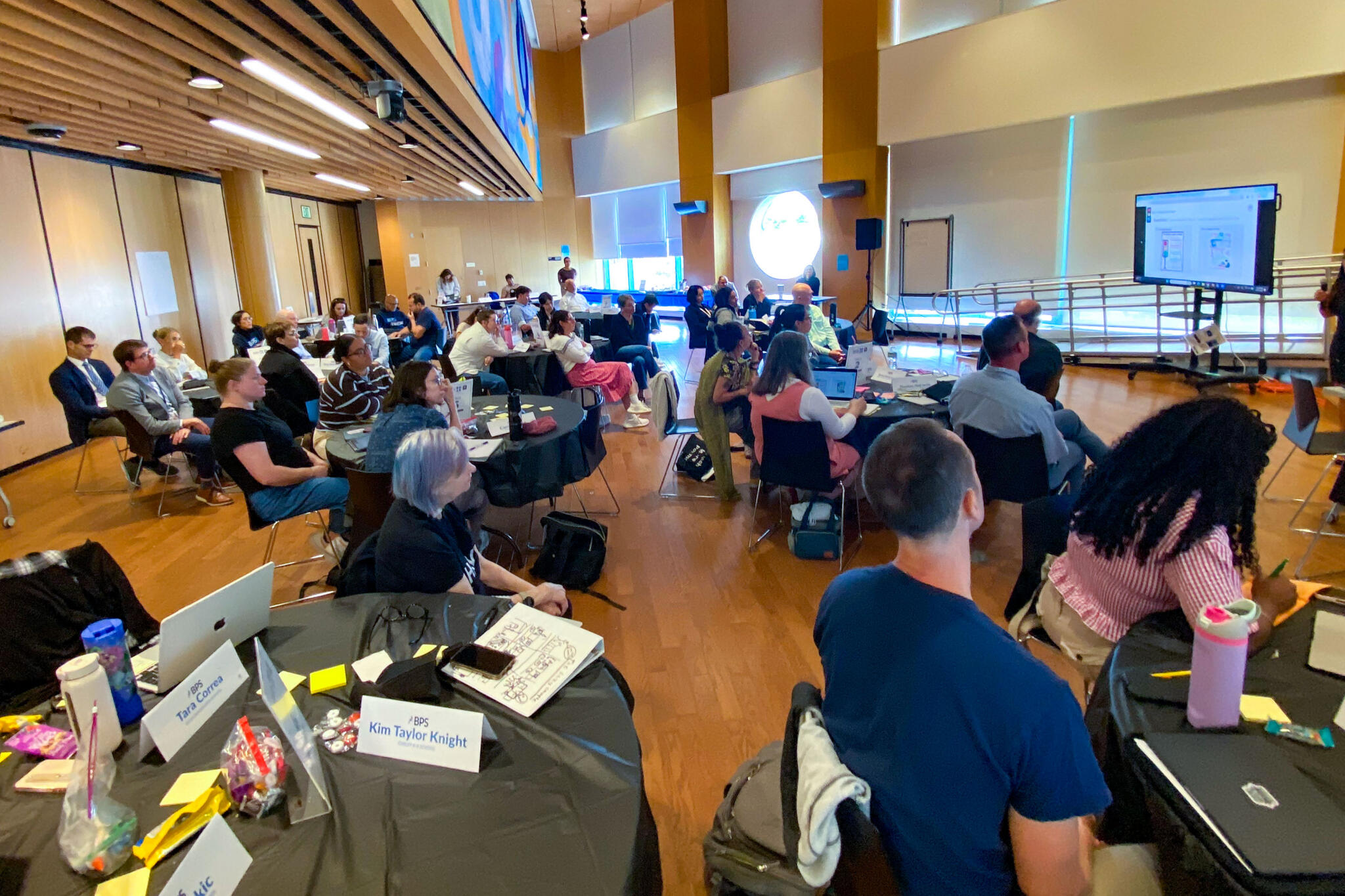
WBUR reports that school districts across Massachusetts are gradually constructing their own guidance around classroom AI use, reflecting a patchwork of approaches as the technology rapidly evolves. The district-by-district pace — rather than statewide mandates — is putting K-12 leaders on alert about inconsistencies in how students are exposed to AI tools.
AI Is Becoming a Permanent Part of Education — With New Rules
EDCAPIT reports that AI is shifting from optional experiment to a permanent fixture in education: universities are rewriting academic policies, online programs are testing AI-assisted learning, and technology providers face mounting pressure to protect student data. The report also notes the rise of "virtual peers" as a new pattern in AI-powered learning environments.
Tools & Products
No new AI education tool launches or feature updates were reported after 2026-09-21 in the available research. Previously announced platform updates (Microsoft EDU back-to-school features, Google educator tools) predate the current coverage window and won't be repeated here.
Research & Data
- AI use in early years education rises despite safeguarding concerns (Tapestry research): EdTech Innovation Hub reports that AI use in early years settings has risen sharply, with educators citing time savings — but ongoing concerns about accuracy, safeguarding, data protection, and training remain unresolved.

- Virginia state government calls for study on AI use in colleges: Virginia's legislature has commissioned a study (via JLARC) on AI use in higher education, posing the central question: "How should the classroom change now in the presence of this technology?" The findings could shape how Virginia's universities disclose, permit, and integrate AI in instruction.
Voices from the Field
- From the question Energizing current debate over teacher preparation: Editor Kevin Bushweller (Education Week) asked "What should teacher education look like in the age of AI?" — a question Jim Shimabukuro of ETC Journal argues demands whole-school redesign, not just AI-literacy add-ons in colleges of education.
- The Tech Edvocate argues this week that prominent AI-in-education debates are missing the point entirely — contending that finger-wagging at AI's risks distracts from larger structural changes already underway across K-12 and higher education.
- EdWeek's new piece positions school leaders' calm-but-cautious review as the right response to sensational AI coverage: rather than hitting pause on panic headlines, districts should review the technology carefully and deliberately.
What to Watch
- Virginia's JLARC AI-in-higher-education study: its eventual findings could become a template for other states commissioning formal reviews of AI in instruction.
- The district-by-district guidance patchwork: watch whether Massachusetts-style local approaches converge into statewide frameworks, and how policy asymmetries affect equity between districts.
- The push for AI tools in early childhood settings (+3 safeguarding questions): as Tapestry's research shows adoption rising in early years, expect heightened scrutiny of data protection and age-appropriate design for the youngest learners.
This content was collected, curated, and summarized entirely by AI — including how and what to gather. It may contain inaccuracies. Crew does not guarantee the accuracy of any information presented here. Always verify facts on your own before acting on them. Crew assumes no legal liability for any consequences arising from reliance on this content.
Powered by
