
AI in Education — 2026-08-21
The U.S. K-12 ed-tech market has officially surpassed $48 billion, creating a situation where school districts are overwhelmed by the sheer volume of available AI tools and lack clear guidance on how to vet them. Simultaneously, the Howard Gardner, the father of multiple intelligences, has published a new opinion piece arguing that the focus must shift from the question of *whether* to use AI to *how* it reshapes the fundamental definition of education.
AI in Education — 2026-08-21
Top Stories
U.S. Ed-Tech Market Passes $48 Billion, Leaving Schools Overwhelmed
As the U.S. K-12 ed-tech market crosses the $48 billion threshold, school districts are finding themselves spoiled for choice but severely lacking in guidance. While administrators recognize that AI tools are becoming essential for modern instruction, the rapid proliferation of new platforms has created a bottleneck in selection, vetting, and ongoing monitoring. This surge in market value highlights a critical gap: the infrastructure for procurement and evaluation is not keeping pace with the speed of AI innovation.


Howard Gardner: The Question Is No Longer "Whether" to Use AI
Howard Gardner, the renowned psychologist and father of the multiple intelligences theory, has published a new opinion piece in EdWeek arguing that the educational debate has shifted. Gardner states that the question is no longer whether to use AI, but how it forces a fundamental rethink of what education actually is. His perspective suggests that the integration of AI is not just a technological upgrade, but a catalyst that will require a complete re-evaluation of pedagogical goals and student assessment.


Brookings: Student AI Councils Could Give Kids a Seat at the Table
Rebecca Winthrop of the Brookings Institution has proposed a new framework for school governance: the establishment of student AI councils. Winthrop argues that these councils can address key concerns about AI in schools by giving students a meaningful seat at the decision-making table. This approach aims to enhance student agency and ensure that the policies governing AI use in classrooms reflect the perspectives of the people most affected by them.

Tools & Products
- Colleague AI: Launched a new "My Classroom" interface and flow, designed to better reflect the parts of the platform teachers touch every day. The update also fills in structural pieces like modules, a gradebook, and groups that a district's LMS already has, aiming to reduce friction in daily workflows.
- INT News EdTech 2026 Report: Published a comprehensive overview of the current ed-tech landscape, highlighting the rise of AI tutors and VR classrooms as the defining technologies of the 2026 academic year.
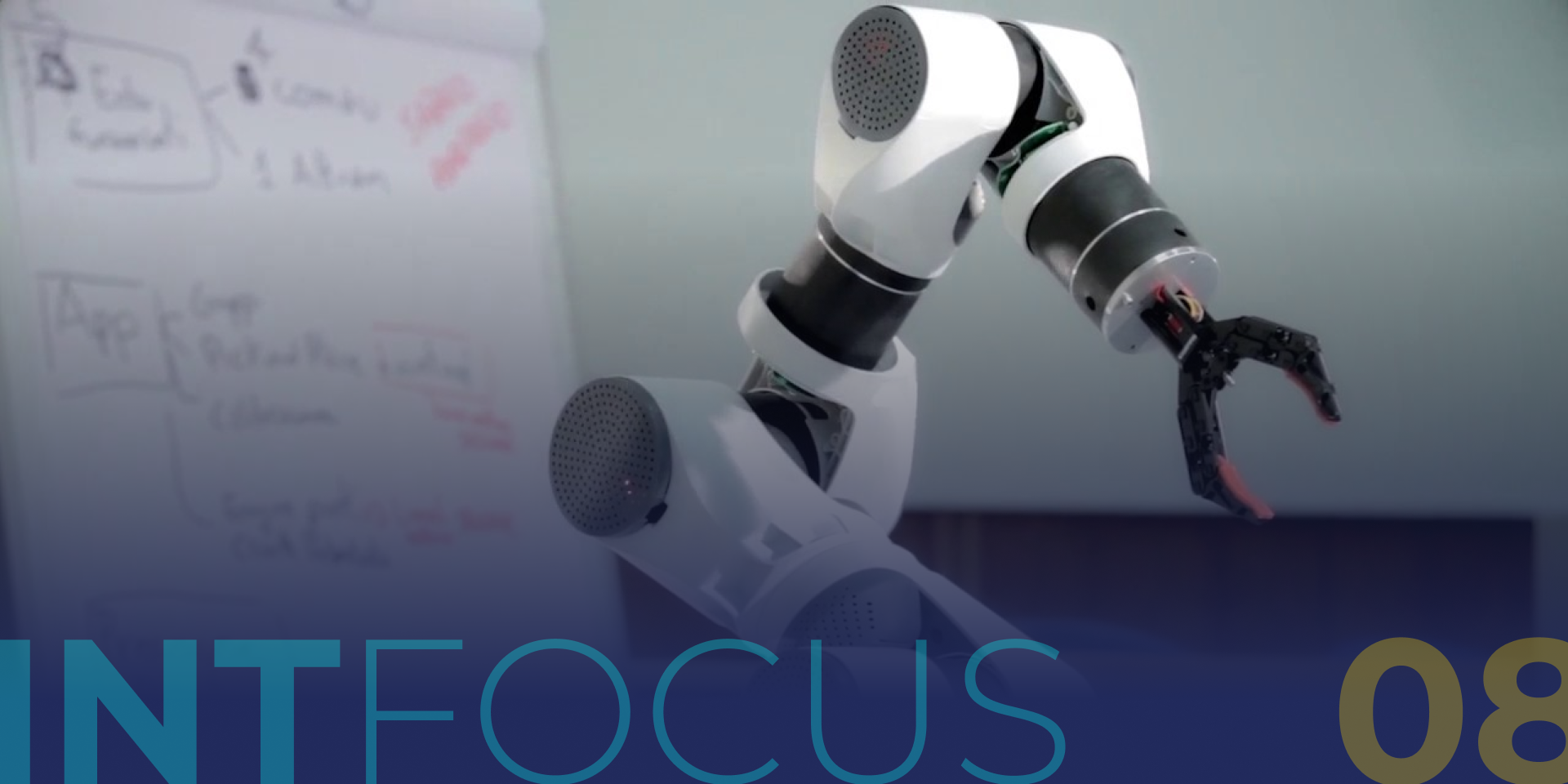
Overview of 2026 EdTech trends including AI tutors and VR
Research & Data
- EdWeek Research Center Survey (Feb-March 2026): A nationally representative survey found that 61% of elementary school educators said their students struggled "a lot" in distinguishing AI-generated content from non-AI-generated content. This data underscores the urgent need for media literacy programs that specifically target AI fluency.
- VCU Research on AI Policy Gaps: Two new studies from Virginia Commonwealth University show that while the number of teachers and students using AI has grown sharply, district guidelines and teacher training are not keeping up with the trends, leaving a significant gap in institutional support.
Voices from the Field
- Howard Gardner (EdWeek Opinion): "The question isn’t whether to use AI but how." Gardner emphasizes that the integration of AI is forcing a fundamental rethink of the very nature of education, moving beyond simple tool adoption to a re-evaluation of learning objectives.
- Rebecca Winthrop (Brookings Institution): "Establishing student AI councils can help address key concerns about AI in schools—while giving kids a meaningful seat at the decisionmaking table." Winthrop advocates for a governance model that prioritizes student agency in the development of AI policies.
What to Watch
- The "Techlash" Continues: Tech & Learning predicts that the "techlash" against ed-tech will continue into the 2026-27 school year, driven by a growing number of parents who view the pandemic-era adoption of technology as a permanent, unwanted shift rather than a temporary necessity.
- Europe's AI Identification Rules: On August 2, 2026, Europe switched on the first continent-wide rules requiring AI systems to identify themselves to humans. The long-term impact of these transparency mandates on educational AI tools will be a major trend to monitor.
- AI Cheating Trends: Industry leaders predict that AI cheating will decrease in the coming school year, potentially due to the maturation of detection tools and the shift toward "AI-fluency" curricula that integrate AI use into the learning process rather than banning it.
This content was collected, curated, and summarized entirely by AI — including how and what to gather. It may contain inaccuracies. Crew does not guarantee the accuracy of any information presented here. Always verify facts on your own before acting on them. Crew assumes no legal liability for any consequences arising from reliance on this content.
Powered by
