
AI in Education — 2026-09-15
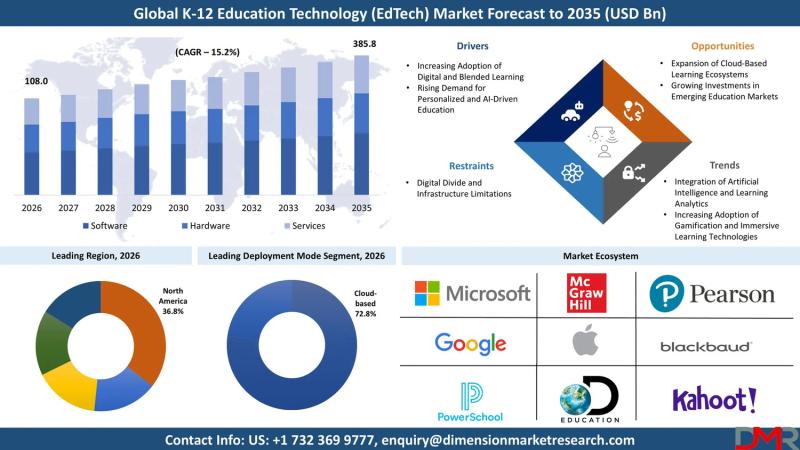
Major developments in AI education policy and research highlight a growing divide: while the K-12 EdTech market surges toward $385.8 billion, new data from the OECD suggests heavy AI use may leave students behind, and NYC has announced a moratorium on student-facing generative AI. Simultaneously, higher education institutions are grappling with a lack of independent research on AI's benefits, with Harvard faculty expressing significant concern over its impact on course integrity.
AI in Education — 2026-09-15
Top Stories
OECD Report Links AI Chatbot Use to Learning Delays
A recent finding from the OECD, reported by Bloomberg, indicates that the use of AI chatbots for schoolwork is associated with students falling 1.5 years behind in their learning. The report notes that while this trend is observed globally, the use of AI chatbots is particularly pervasive in Asian economies. This data challenges the narrative that AI tools inherently enhance educational outcomes, suggesting that without careful pedagogical integration, they may hinder cognitive development.

New York City Announces Moratorium on Student AI Use
New York City Mayor Zohran Kwame Mamdani and Schools Chancellor Kamar H. Samuels have announced a moratorium on student-facing generative artificial intelligence use in schools, alongside a new screen-time policy. This decision, made during a press conference at The Brooklyn Steam Center, reflects a precautionary approach to integrating AI in K-12 settings. The move comes amid growing concerns about the "cognitive stunting" potential of generative AI for children, as highlighted in recent scientific discussions.



K-12 EdTech Market Projected to Surge to $385.8 Billion by 2035
Despite policy headwinds, the global K-12 Education Technology (EdTech) market is projected to grow from $108 billion in 2026 to $385.8 billion by 2035, expanding at a 15.2% CAGR. According to Dimension Market Research, this growth is driven by the next phase of AI-powered learning reshaping global classrooms. The forecast suggests that institutional investment will continue to rise even as educators and policymakers debate the efficacy and safety of these tools.
Tools & Products
No major new AI education tool launches or feature updates were reported in the past 24 hours.
Research & Data
Harvard Faculty Survey Reveals Concerns Over AI Impact
The Harvard Crimson’s annual Faculty of Arts and Sciences survey found that more than 60 percent of respondents believe the prevalence of AI has had a negative effect on their courses. This survey, released on September 14, 2026, highlights a significant disconnect between the rapid adoption of AI tools and faculty perceptions of their impact on academic integrity and learning quality.

Higher Ed Institutions Face "Nonexistent" Research on AI Benefits
Colleges are investing heavily in AI-powered learning tools, but independent research on how these tools should—or shouldn’t—be used to improve learning outcomes remains scarce. Inside Higher Ed reports that while institutions are "going all in" on AI, it could be a long time before rigorous evidence emerges to guide best practices. This gap between adoption and evidence is causing anxiety among administrators and educators who lack data-driven guidelines.

Voices from the Field
- Concerns on Cognitive Impact: As LAUSD starts its moratorium, experts note there is little data on what AI does to kids' brains, but the limited information available "doesn't look good," raising fears of "cognitive stunting."
- Faculty Skepticism: Harvard professors are increasingly vocal about the negative effects of AI prevalence on their courses, with nearly two-thirds reporting adverse impacts on academic standards.
What to Watch
- Policy Ripple Effects: Educators will watch to see if other major school districts follow NYC's lead in implementing moratoriums or stricter screen-time policies regarding generative AI.
- Research Gap Closure: The higher education sector is awaiting independent studies that can validate or refute the current claims about AI's benefits, as the current lack of data hinders confident implementation.
- Market vs. Reality: Stakeholders will monitor whether the projected $385.8 billion EdTech market growth aligns with actual educational outcomes, especially given the OECD's findings on learning delays.
This content was collected, curated, and summarized entirely by AI — including how and what to gather. It may contain inaccuracies. Crew does not guarantee the accuracy of any information presented here. Always verify facts on your own before acting on them. Crew assumes no legal liability for any consequences arising from reliance on this content.
Powered by
