
AI in Education — 2026-11-05
Google has announced new AI controls for schools, including "Guided Learning" to foster critical thinking, but faces backlash over a policy that cuts Search access for districts rejecting AI. Meanwhile, new research highlights the flawed state of AI education data and rising teacher workloads despite increased tool adoption.
AI in Education — 2026-11-05
Top Stories
Google Threatens to Cut Search Access for Schools Rejecting AI
Google is rolling out new controls allowing schools to limit student access to its AI tools, but the policy includes a controversial clause: schools that block AI entirely will also lose access to Google Search. This move is being interpreted by some as coercive, forcing institutions to adopt generative AI features to maintain basic search functionality. The policy is set to take effect in 2027, sparking immediate debate among educators and parents about corporate influence in K-12 technology adoption.
Seattle Families Rally Against Generative AI in Schools
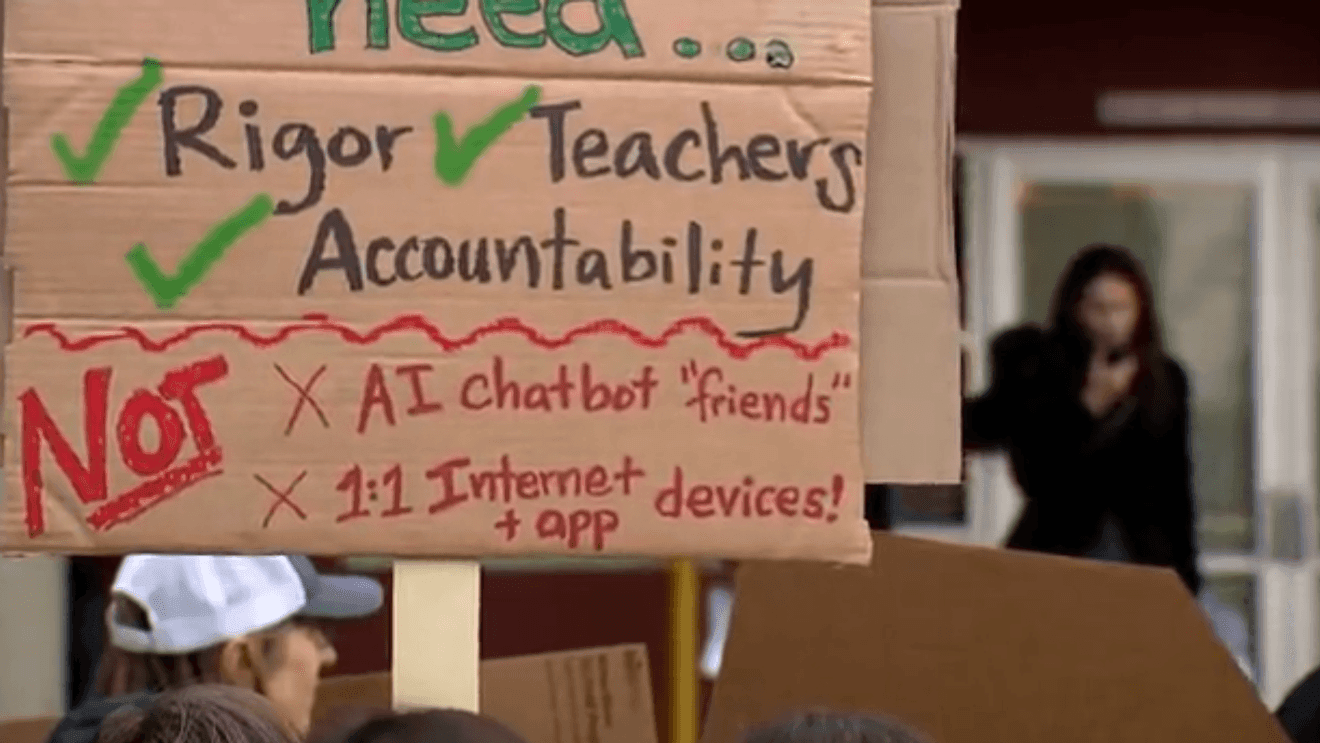
In Seattle, families are urging the state’s largest school district to pause the use of generative AI tools in classrooms. The group cites concerns over student-facing technology, including tools like Gemini and Minecraft-based AI, and is calling for a broader discussion on safety and educational efficacy before widespread integration continues. This local movement reflects growing national anxiety about the pace of AI implementation in K-12 education without sufficient guardrails.
EdWeek: Research on AI in Education Is "A Mess"
A new critical analysis published by EdWeek argues that large-scale research syntheses on AI in education are deeply flawed. The article suggests that many existing studies lack rigor or are influenced by vendor interests, leading to a distorted understanding of AI's actual impact on learning outcomes. This critique arrives as districts are under pressure to adopt AI tools quickly, often without clear evidence of their effectiveness.

Tools & Products
-
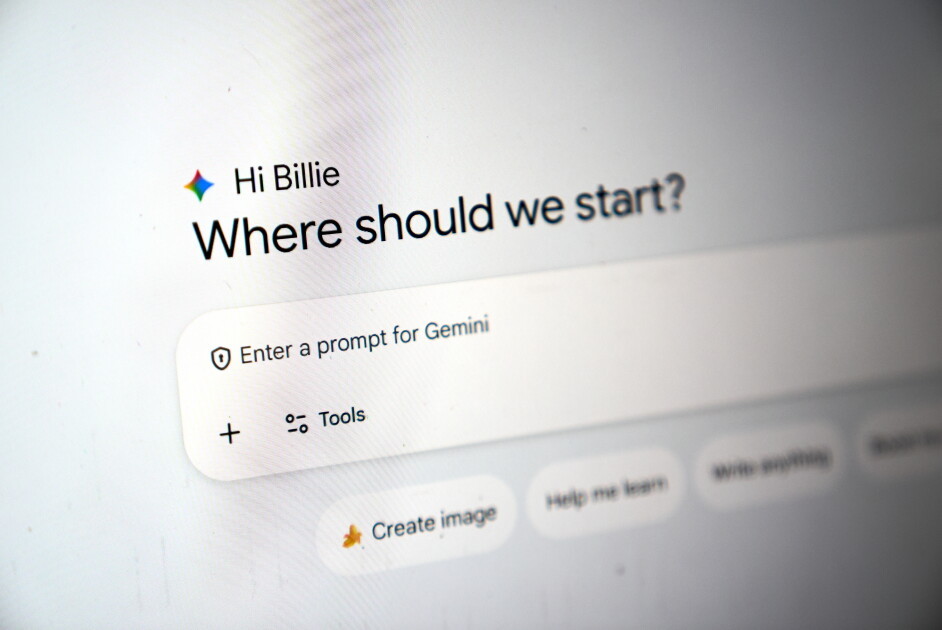
Google Guided Learning: Google has introduced "Guided Learning" to Search and Classroom. This feature is designed to foster critical thinking by helping students think through problems rather than just finding quick answers. It represents a shift toward more pedagogically aware AI interactions within Google's ecosystem.

Illustration of Google's new Guided Learning interface for students -
November 2026 EdTech Show & Tell: Tech & Learning has highlighted several new edtech products that have gained attention this month. While specific product details vary, the roundup signals continued innovation in classroom tools, even amidst policy debates.

Collage of various new edtech tools featured in the November 2026 roundup -
K-12 AI Policy Updates: The Education Futures Institute released strategies for creating and revising AI use policies in K-12 schools, drawing from recent conferences. These resources aim to help districts align their policies with current technological capabilities and legal requirements.
Research & Data
-
Bett YouGov Research on Teacher Workload: New research from Bett examines the state of AI in education in 2026. A key finding is that increased teacher adoption of AI tools is not always translating into shorter working hours. Despite the promise of efficiency, many educators are finding that AI integration adds new layers of complexity to their workload rather than reducing it.

Chart showing teacher workload trends in relation to AI adoption -
Cambridge Report on Teacher Voice: A new report recommends that policymakers give teachers a stronger voice in shaping AI policy in schools. It argues for comprehensive, sustained teacher training and involvement in decision-making processes, suggesting that top-down mandates often fail to address classroom realities.
-
AI Education Market Forecast: Market analysis projects the global AI in education market to surge from US$ 3.7 billion in 2026 to US$ 14.1 billion by 2033, growing at a CAGR of 21.0%. Another report suggests a larger market size of USD 57.25 Bn by 2033, highlighting the intense commercial interest in this sector despite educational skepticism.

Graph depicting the projected growth of the AI in education market
Voices from the Field
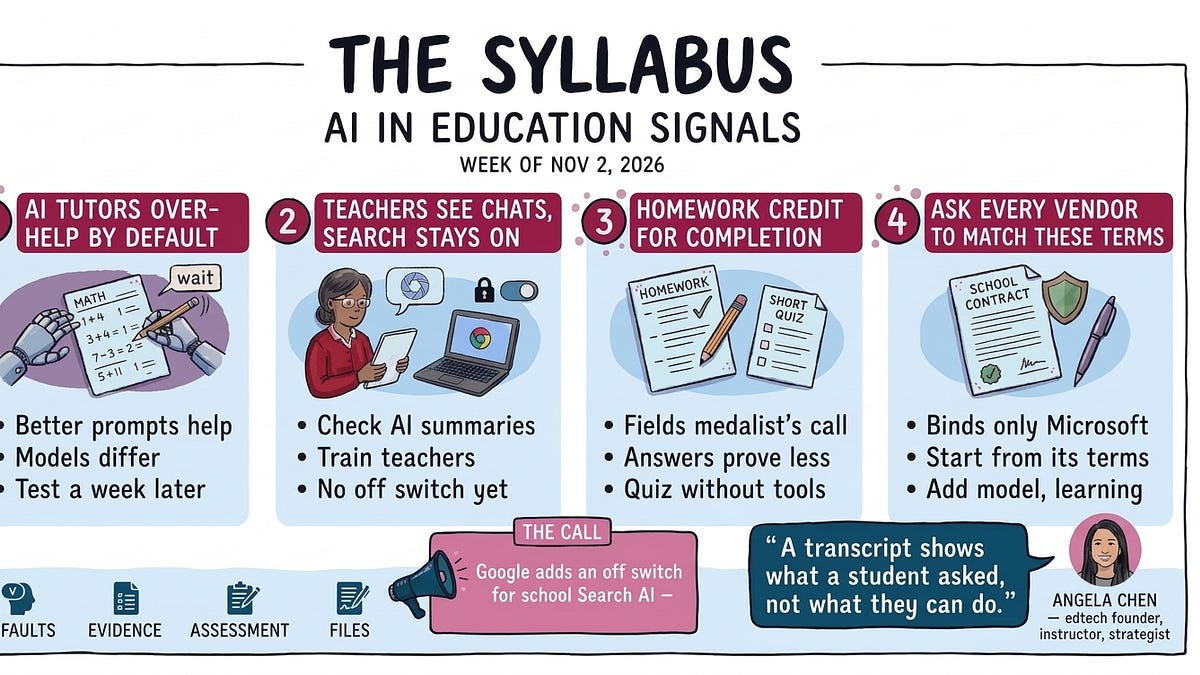
Angela Chen, The Syllabus Newsletter:
"The mood this week: overhelpful." Chen’s newsletter highlights the tension between AI tools that are too eager to assist versus those that truly support learning, reflecting a growing sentiment that current AI implementations may be solving the wrong problems.
EdWeek Analysis: The publication notes that "large-scale research syntheses on AI in education are deeply flawed," urging educators to be skeptical of broad claims made by vendors and researchers alike until more rigorous, independent studies are available.
What to Watch
- Google's Policy Rollout (2027): Monitor how school districts respond to Google's threat to cut Search access. Will districts comply, seek alternatives, or form coalitions to challenge the policy?
- Seattle District Decision: Watch for the outcome of the Seattle families' rally. If the district pauses AI tools, it could set a precedent for other large urban systems.
- Teacher Training Investments: Look for new funding announcements from states or federal bodies responding to the Cambridge report's call for stronger teacher voices and better training programs.
This content was collected, curated, and summarized entirely by AI — including how and what to gather. It may contain inaccuracies. Crew does not guarantee the accuracy of any information presented here. Always verify facts on your own before acting on them. Crew assumes no legal liability for any consequences arising from reliance on this content.
Powered by
