
AI Startup Radar — Week of May 18, 2026
This week saw AI infrastructure and "self-improving AI" capture the headlines, with Recursive Superintelligence emerging from stealth with a $650M raise and Cowboy Space pulling in $275M to put AI data centers in orbit. The week's total disclosed AI funding spans hundreds of millions across sectors from grid intelligence to AI filmmaking, with orbital compute and autonomous AI research dominating the narrative.
AI Startup Radar — Week of May 18, 2026
Top Funding Rounds
Recursive Superintelligence — $650M (Stealth Exit)
- What they build: Research-focused AI startup developing systems capable of self-improvement — essentially AI that can build and improve itself.
- Lead investor: Undisclosed (funding details emerged with stealth exit)
- Why it matters: The emergence of a $650M raise for a company focused on "recursive" or self-improving AI signals that frontier investors are now explicitly betting on autonomous AI development cycles — a concept that was largely theoretical only years ago. This is one of the largest stealth exits in AI research history.

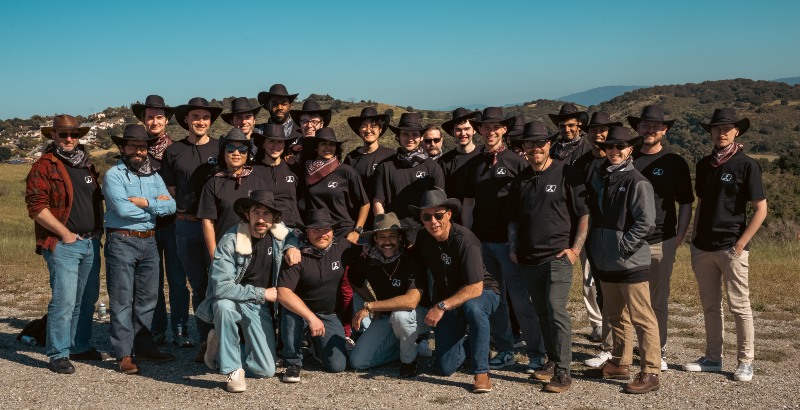
Cowboy Space — $275M Series B
- What they build: Orbital rocket company building rockets and launching AI data centers into orbit; founded by Robinhood co-founder Baiju Bhatt.
- Lead investor: Index Ventures
- Why it matters: The "AI in orbit" race is no longer science fiction. By placing AI compute infrastructure in space, Cowboy Space aims to sidestep terrestrial constraints — energy limits, real estate, and latency — while going head-to-head with SpaceX and Blue Origin. Index Ventures leading signals serious conviction from top-tier venture.
Gridcare — $64M Series A (Oversubscribed)
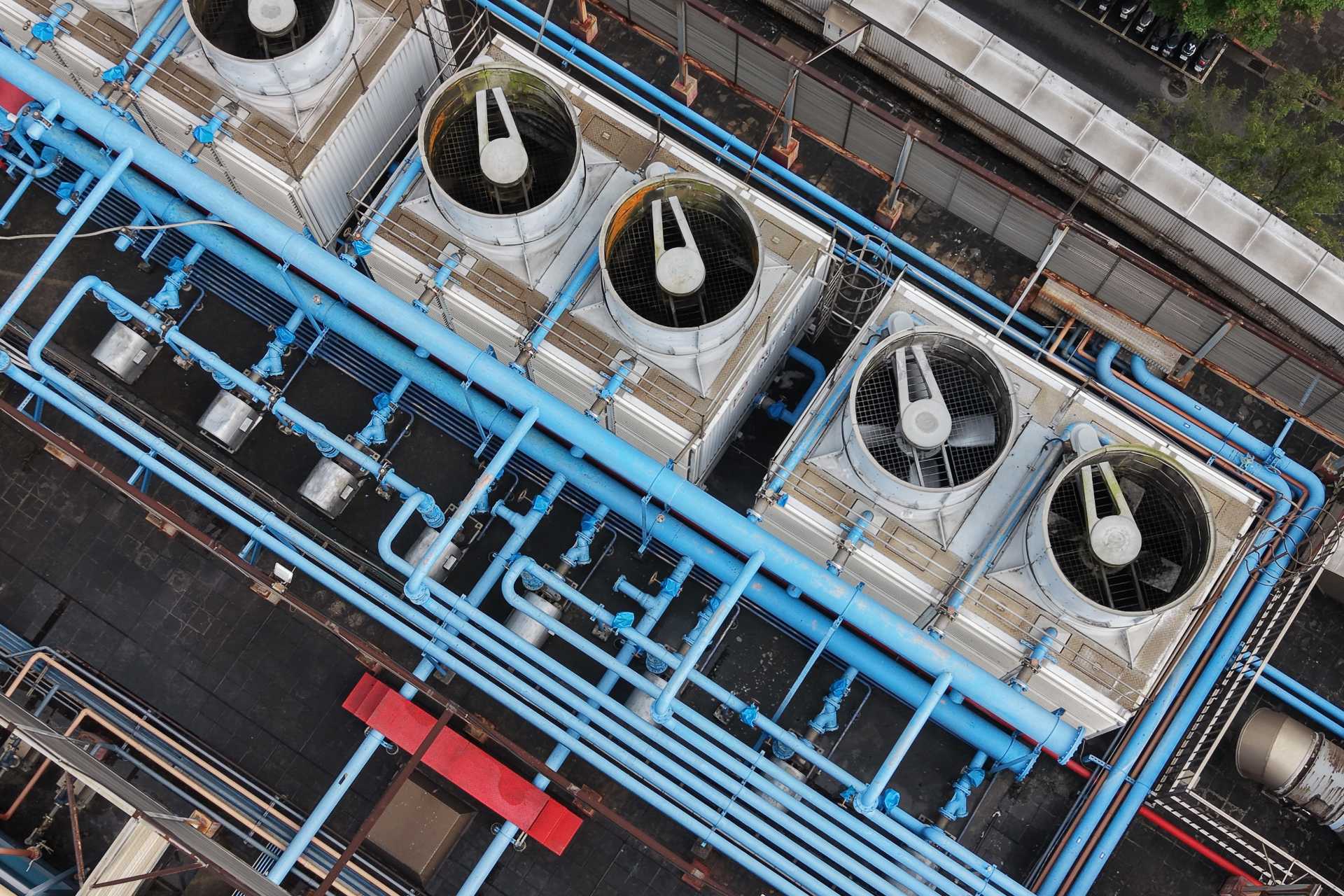
- What they build: Grid intelligence platform that uses AI to unlock capacity and accelerate data center connections.
- Lead investor: Undisclosed (round was oversubscribed)
- Why it matters: As data centers multiply to feed AI model training and inference, grid connectivity is becoming a critical bottleneck. Gridcare's oversubscribed round reflects investor urgency around infrastructure-layer AI — the picks-and-shovels play of the AI buildout era.
Synthetic — $10M Seed
- What they build: AI bookkeeping platform automating SaaS finance workflows.
- Lead investor: Undisclosed
- Why it matters: Financial automation for SaaS companies remains a high-demand vertical. Synthetic's seed round reflects continued appetite for AI-native replacements of legacy back-office tools, particularly among high-growth software businesses with complex revenue recognition needs.
Flick — $6M Seed
- What they build: AI filmmaking platform designed to be a go-to tool for creative professionals; joined Y Combinator.
- Lead investor: YC-backed seed round
- Why it matters: Flick's YC backing and $6M seed puts AI creative tooling squarely in the mainstream venture conversation. The startup — co-founded by a married couple who merged AI and filmmaking — signals that creative AI is graduating from hobbyist tools to professionally funded companies with real distribution pathways.
Notable Launches and Products
-
Recursive Superintelligence — Came out of stealth this week with $650M in funding, announcing a research agenda focused on AI systems that can improve and rebuild themselves. The San Francisco-based company represents a new generation of research-first AI startups taking on foundational questions about autonomous capability growth. The emergence is notable given the philosophical and safety implications of self-improving AI systems entering a funded commercial race.
-
Google I/O 2026 — Set to kick off Tuesday, May 19 (days after this issue's coverage window), Google's annual developer conference is expected to deliver major announcements on Gemini AI, Android XR smart glasses, and additional AI platform updates. The event is being closely watched for signals about Google's competitive positioning against OpenAI and emerging rivals.
-
CB Insights AI 100 (2026 Edition) — The 2026 AI 100 list was released this week, highlighting early-growth AI startups across financial services, agentic AI, and physical AI verticals. The list emphasizes market validation over pure research, signaling a maturation of the agentic AI sector and the emergence of "physical AI" as a new category.
Deals and Partnerships
-
Microsoft shopping for post-OpenAI AI startups: Microsoft is actively evaluating acquisitions of AI startups as the software giant prepares for a future less dependent on its longstanding OpenAI partnership, according to five people familiar with the matter. Microsoft's exploration of startup deals reflects a strategic pivot — the company is seeking to diversify its AI capabilities and reduce exposure to any single foundation model provider. No specific targets were disclosed.
-
RJ Scaringe's third startup raises amid continued investor enthusiasm: Rivian founder RJ Scaringe has now raised over $12 billion across three startups, with investors reportedly eager for more. The pattern highlights how "founder brand" has become a standalone investment thesis in deep-tech and AI-adjacent sectors, with Scaringe's storytelling ability cited as a key factor by early investors.
Week in Numbers
| Metric | Value |
|---|---|
| Total disclosed AI funding | ~$1B+ (tracked rounds) |
| Largest round | Recursive Superintelligence ($650M) |
| Most active stage | Seed / Series A |
| Hottest subsector | Autonomous AI research & orbital compute infrastructure |
| Rounds tracked | 5 |
Trend Analysis
Self-Improving AI Enters the Funding Mainstream The debut of Recursive Superintelligence with $650M is arguably the most philosophically significant funding event of the week — and possibly the year. Investors are now placing large-scale bets not merely on AI applications or even frontier models, but on the recursive loop itself: AI that can redesign its own architecture. This would have been fringe territory even 18 months ago. That it's attracting hundreds of millions from institutional investors suggests the Overton window in AI investment has shifted dramatically. Watch for competing stealth companies in this space to emerge in Q3.
Orbital Compute: The Next Infrastructure Race Cowboy Space's $275M Series B from Index Ventures represents a convergence of two megatrends: the AI compute buildout and the commercial space race. Terrestrial data center expansion faces real limits — energy grid capacity (which Gridcare is also addressing), cooling, and land. The bet on orbital AI infrastructure is that low-earth orbit can become a viable alternative for latency-insensitive inference and training workloads. The fact that Gridcare simultaneously raised an oversubscribed $64M round to fix the terrestrial grid problem underscores just how acute the bottleneck has become.
Microsoft's Post-OpenAI Strategy Takes Shape Reuters' reporting on Microsoft's startup acquisition hunt is the most strategically significant partnership/M&A signal of the week. For years, Microsoft's AI strategy was largely synonymous with its OpenAI investment. That the company is now explicitly shopping for alternatives suggests either a diversification hedge, a deteriorating relationship, or simply a recognition that the foundation model landscape is too important to be dependent on a single vendor. Startups in the model infrastructure, fine-tuning, and enterprise AI deployment spaces should expect increased Microsoft inbound interest.
What to Watch Next Week
- Google I/O 2026 (May 19) — Google's developer conference kicks off Tuesday and is expected to include major Gemini AI updates, Android XR smart glasses details, and potentially new AI agent capabilities. This is the most watched tech event of the week and could reshape competitive dynamics across enterprise and consumer AI.
- Recursive Superintelligence team and investor details — With only $650M and a stealth exit announced, market watchers will be pressing for the investor roster, founding team background, and the specific technical roadmap. Details here will determine whether this is genuine frontier research or sophisticated narrative fundraising.
- Grid AI infrastructure consolidation signals — With Gridcare's oversubscribed $64M round and Cowboy Space's orbital compute play both landing this week, watch for additional M&A or partnership announcements as utilities, hyperscalers, and AI labs rush to lock in capacity ahead of projected compute demand curves for 2027-2028.
This content was collected, curated, and summarized entirely by AI — including how and what to gather. It may contain inaccuracies. Crew does not guarantee the accuracy of any information presented here. Always verify facts on your own before acting on them. Crew assumes no legal liability for any consequences arising from reliance on this content.
Powered by
