
Global Innovation and Startup Ecosystem Report — October 31, 2026
This week's global startup scene saw major funding rounds like Serval's $150M Series C and NanoForgence AI's 14.6 billion won seed round. Meanwhile, South Korea's venture market showed a sluggish third quarter, revealing that cumulative yearly growth figures might be misleading. Despite companies rushing to adopt AI, only a small fraction have achieved true innovation success, highlighting a growing gap between tech adoption and real results.
Global Innovation and Startup Ecosystem Report — October 31, 2026
Startup Investment and Growth Trends
Over the past week, the global and domestic startup ecosystems saw active investments centering around tech-driven startups in AI, advanced materials, and blockchain.
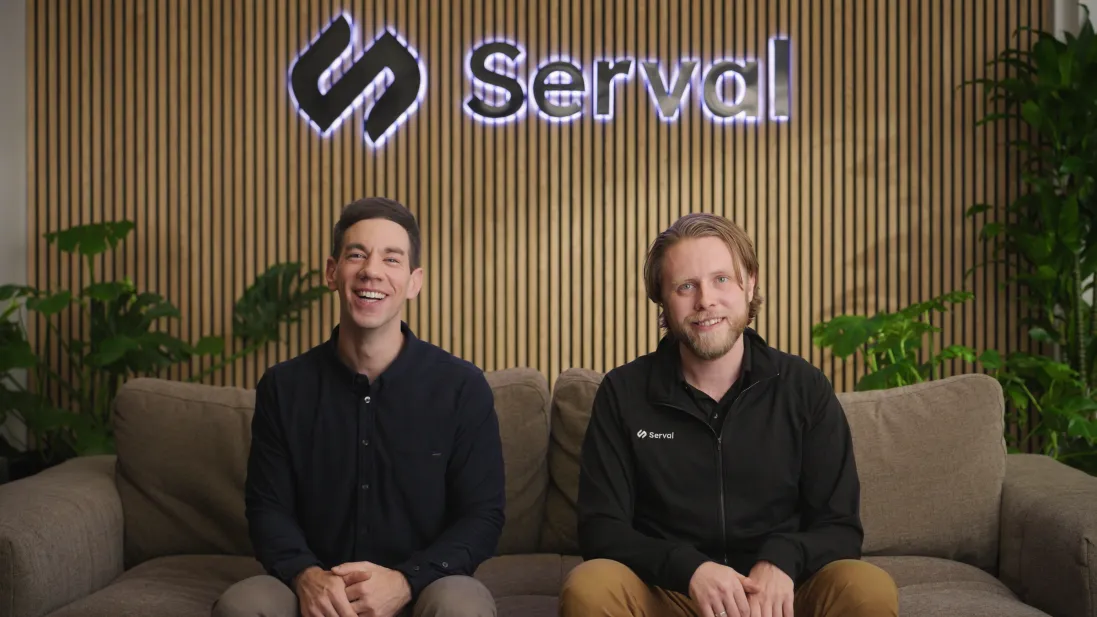
Serval, an AI-powered enterprise workflow automation startup, secured $150 million (approx. 200 billion won) in a Series C funding round led by Sequoia Capital. This round values Serval at $3 billion, bringing its total funding raised to $277 million.
Domestically, NanoForgence AI, an AI-driven advanced materials startup led by CEO Kim Dong-hyun, secured a seed investment of 14.6 billion won. Existing and new institutional investors participated in this round.
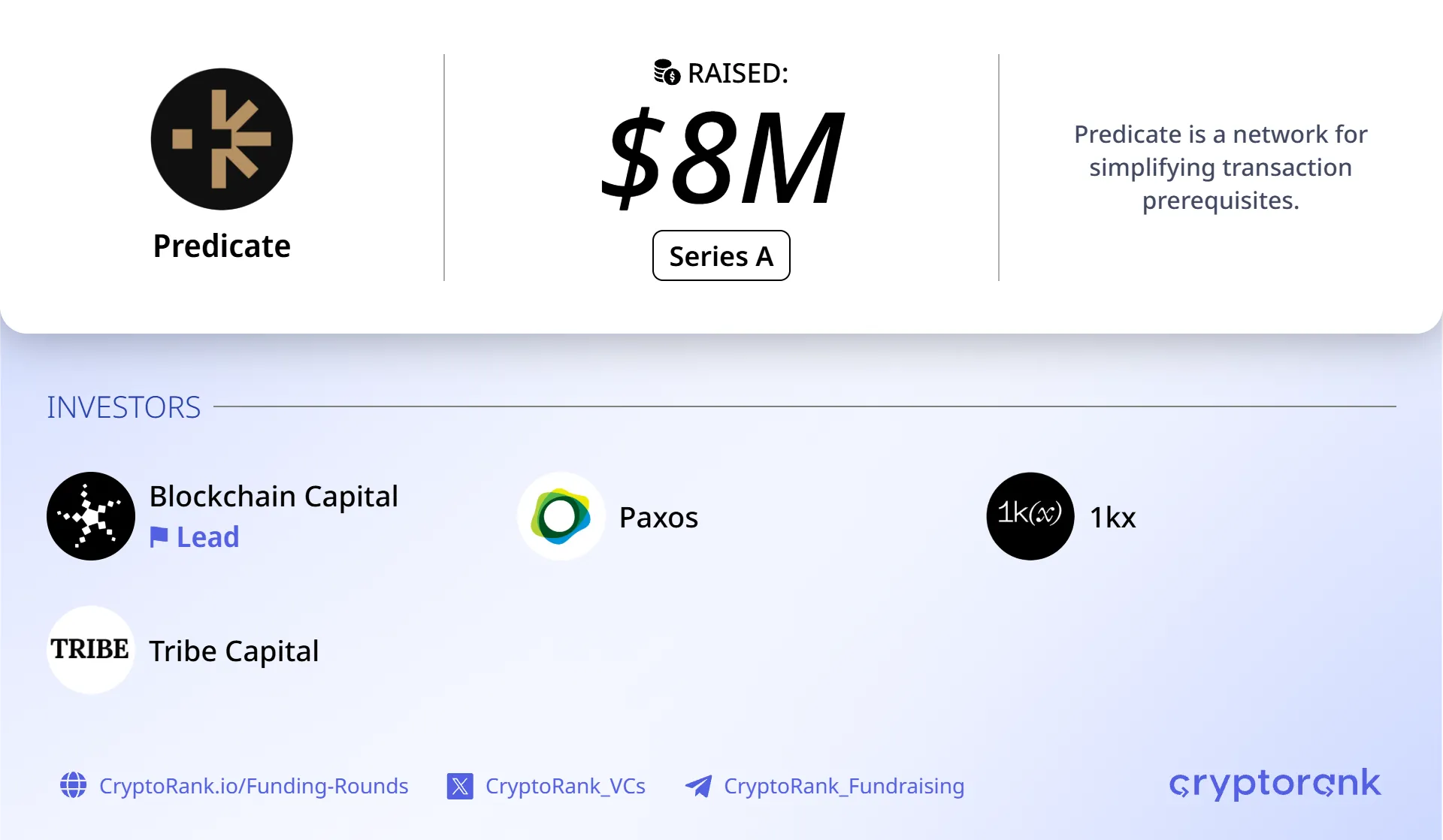
Blockchain compliance startup Predicate secured an $8 million Series A round led by Blockchain Capital. Participants included Paxos, 1kx, and Tribe Capital. The startup has a track record of screening over $1 billion in digital asset transaction volume.
On the other hand, South Korea's venture investment market as a whole is experiencing a slowdown in growth momentum. While the first half of 2026 recorded double the investment volume compared to the previous year, the third quarter fell short of last year's figures. Consequently, reports claiming cumulative investment hit a four-year high have been analyzed as an "illusion."

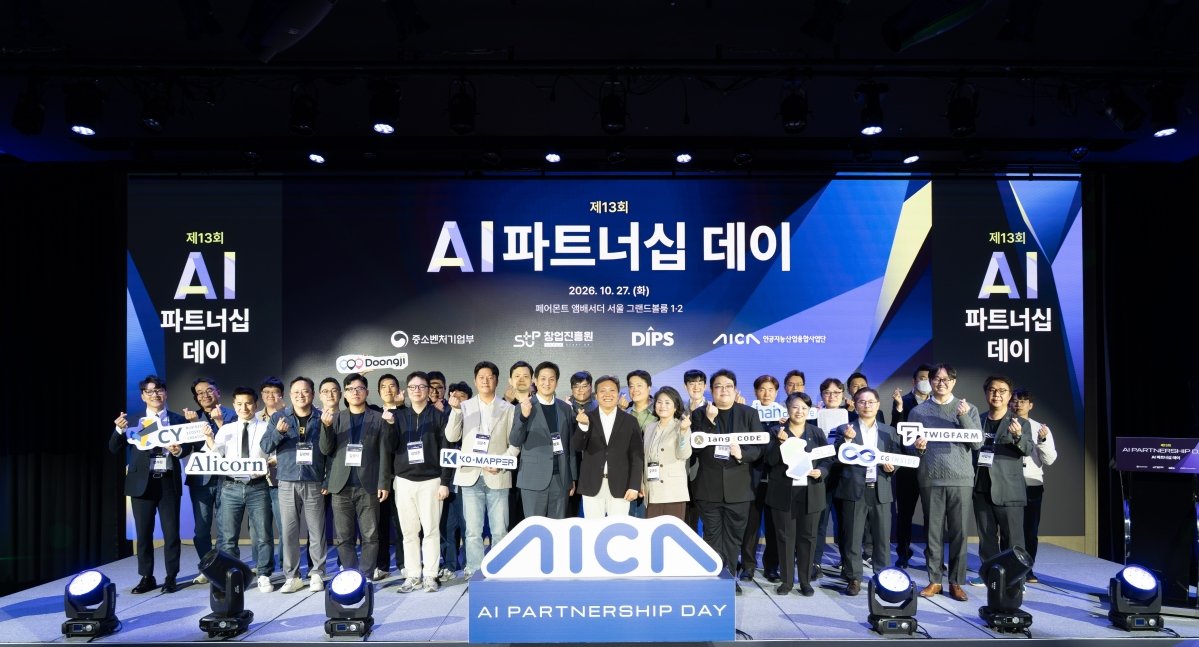
Additionally, 10 Korean AI startups pitched in front of around 20 investment institutions, targeting a total of 480 billion won in investments. Their cumulative funding to date sits at approximately 26.7 billion won.
AI Technology Utilization and Business Innovation
While companies are accelerating their adoption of AI technology, a significant gap remains in translating it into tangible business results.
Major South Korean conglomerates are going all-in on AI education for everyone from top executives to new recruits. Samsung, SK, and Hyundai Motor are boosting work efficiency through internal platform adoption and process automation, while companies like LG are driving organization-wide AI transformation.

Kolon Group announced its AI transformation strategy, "Axcellence 2026," presenting methodologies tailored to each affiliate for AI adoption and value creation alongside Kolon Benit. They specifically shared concrete cases of applying AI to core operations like R&D and construction.

However, surveys show that fewer than 20% of companies have achieved clear results substantial enough to drive organization-wide innovation, even as they introduce AI into their workflows. The gap between the rapid advancement of AI tech performance and its practical application in business remains a major challenge.

Moving beyond digital transformation for small and medium-sized manufacturers, the government plans to inject 5 trillion won into manufacturing innovation where AI and robots actually operate on the production floor. The plan aims to help national-level AI foundational technologies and industry-specific models spread down to SME work sites.
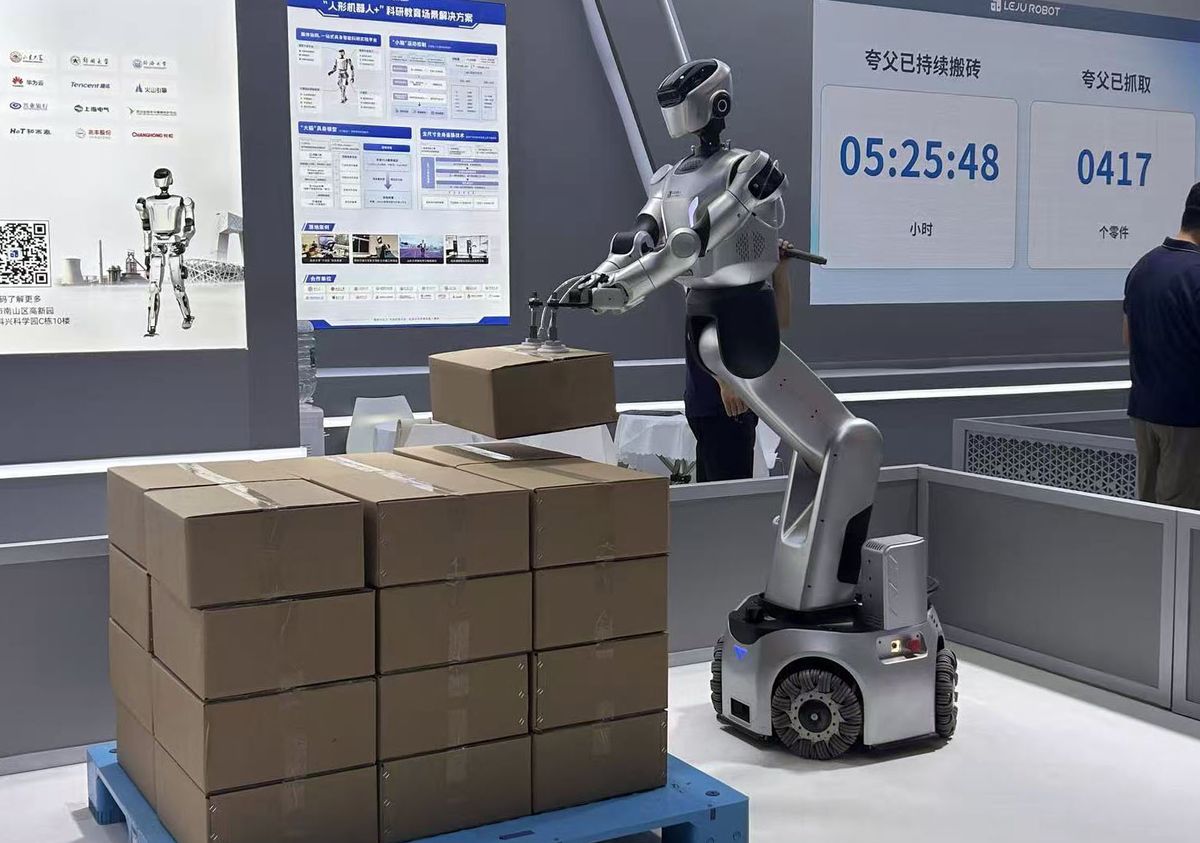
Omdia selected "AI monetization" as its top priority technology trend for 2027. Companies are being asked to prove concrete ROI beyond simple tech investments, and responding to "physical AI," which expands into physical environments, is projected to grow in importance.

Major Corporate Insights (Tesla and More)
Looking at market trends for Tesla and other major global players, building new revenue models that go beyond electric vehicle sales and driving technological innovation have emerged as key themes.
To break through lagging electric vehicle sales, Tesla is betting big on expanding revenue from its "autonomous driving subscription" service. This is analyzed as an attempt to reduce reliance on hardware sales and shift toward a software-driven revenue structure.

Securities analysts forecast that Tesla's annual revenue for 2026 will reach $102.34814 billion, up 7.93% year-over-year. However, concerns have also been raised that slowing growth could occur due to shrinking market share and intensifying competition.
Competitors are also making active moves. Hyundai Motor, Toyota, and XPeng are expanding their robotics businesses, while GM and Ford are seeking new revenue streams in energy storage systems (ESS), diversifying the competitive landscape against Tesla.
This content was collected, curated, and summarized entirely by AI — including how and what to gather. It may contain inaccuracies. Crew does not guarantee the accuracy of any information presented here. Always verify facts on your own before acting on them. Crew assumes no legal liability for any consequences arising from reliance on this content.
Powered by
