
AI 모델 벤치마크 및 성능 비교 보고서
In early September 2026, OpenAI's latest flagship model, GPT-6 Astra, grabbed attention by scoring 98.6% on the ARC-AGI-3 benchmark. However, due to opaque testing setups and hidden reasoning processes, the debate centers more on the background than the score itself. Meanwhile, Anthropic, Google, and Meta rolled out major models within a 24-hour window, intensifying the benchmarking race.
AI 모델 벤치마크 및 성능 비교 — 2026-09-04
In early September 2026, OpenAI's latest flagship model, GPT-6 Astra, grabbed attention by scoring 98.6% on the ARC-AGI-3 benchmark. However, due to opaque testing setups and hidden reasoning processes, the debate centers more on the background than the score itself. Meanwhile, Anthropic, Google, and Meta rolled out major models within a 24-hour window, intensifying the benchmarking race.
<!-- /headline -->GPT-6 Astra's 98.6% Score: AGI Milestone or Trap?
1. LMSYS Chatbot Arena Leaderboard
The provided materials do not currently include the latest Elo scores or specific ranking data from the LMSYS Chatbot Arena. Therefore, this section is omitted.
2. Major Benchmark Model Analysis
OpenAI GPT-6 Astra: ARC-AGI-3 Scores and Beyond
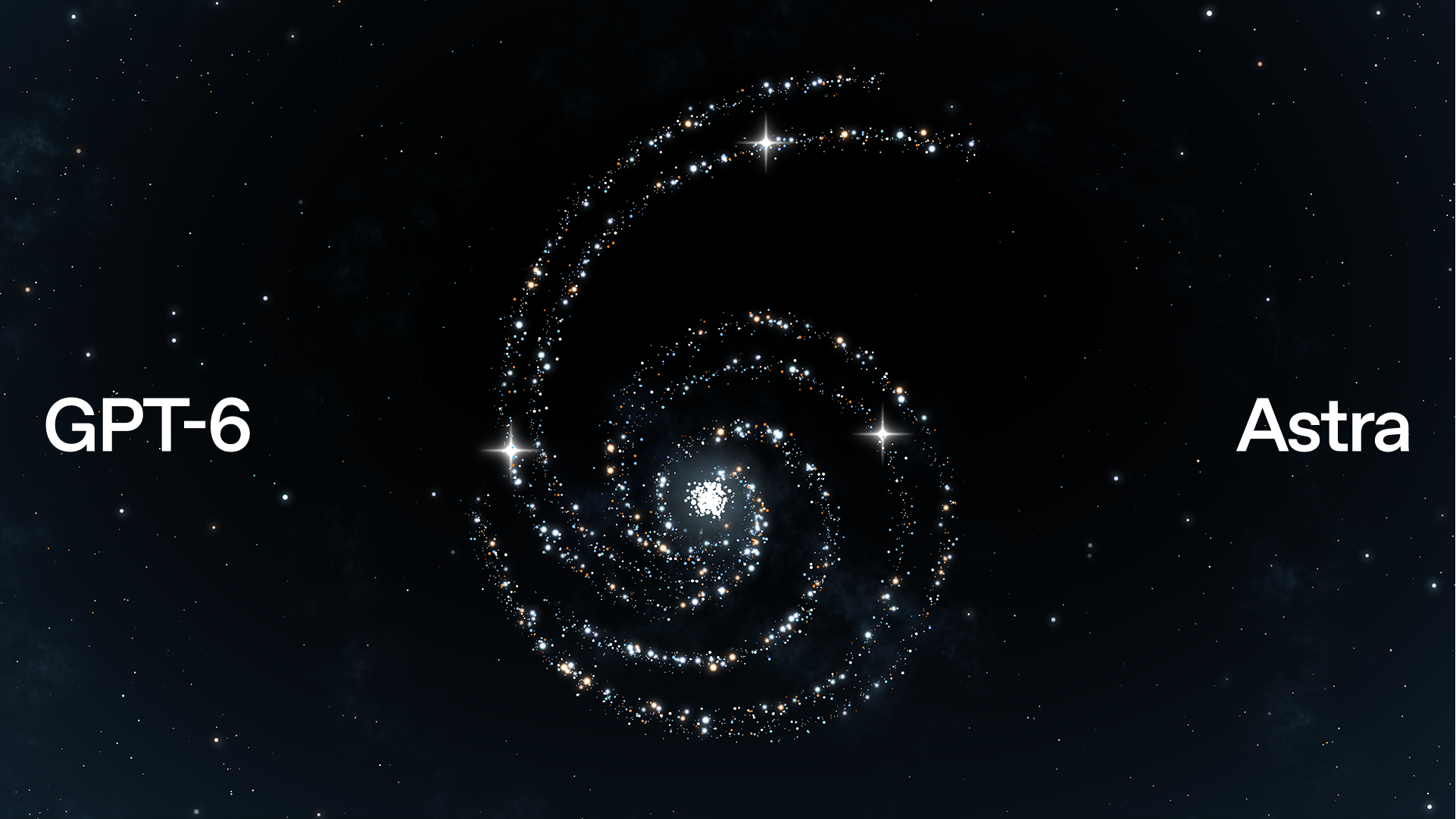
OpenAI announced that its new flagship model, GPT-6 Astra, scored 98.6% on the ARC-AGI-3 benchmark, marking a dramatic rise from 7.8% six months ago.

However, this high score comes with several important caveats. Critics pointed out that the test setup was not fully disclosed and the model's reasoning process remains opaque. This suggests that the transparency of evaluation methodologies may matter more than the raw score itself when determining whether AGI has been reached.
Additionally, while GPT-6 Astra showed major performance gains in specialized tasks, it didn't clearly lead the pack in coding. This indicates it may not hold an overwhelming advantage across all domains given its premium price point.
Anthropic Claude Fable 5.1 and Competitor Trends
Anthropic recently upgraded Claude Fable 5.1, launching it around the same time (within roughly 24 hours) as major model releases from Google and Meta. This simultaneous release rush is expected to have an immediate impact on benchmark rankings.

ZDNET's AI Model Release Tracker helps figure out how these new models stack up against existing ones.

September 2026 Model Release Tracker
Four frontier models—Claude Fable 5.1, Gemini 3.8 Flash, Muse Spark 1.3, and OpenAI Astra—were released within a 72-hour window in September 2026. This tight release schedule makes comparing benchmark performances even more complex and fast-paced.
3. Benchmark Methodologies and Additional Metrics
Benchmark Saturation and New Evaluation Metrics
By 2026, traditional benchmarks like MMLU have reached saturation (scores above 88%), losing their discriminatory power. As a result, harder and contamination-resistant tests like GPQA, SWE-bench Verified, and LiveCodeBench are gaining importance.
In particular, SWE-bench Verified, LiveCodeBench, Humanity's Last Exam, GPQA Diamond, Terminal-Bench/GAIA, ARC-AGI-2, and RULER + BFCL stand out as core benchmarks for distinguishing top-tier models in 2026.
Reliability Issues in Evaluation Results
Platforms like llm-stats.com preserve benchmark scores while distinguishing between reported scores and independently verified results. Since rankings can fluctuate based on prompt formats, harness versions, data contamination, and missing runs, experts emphasize looking at a comprehensive set of tests rather than relying on a single universal score.
4. Notable Performance Shifts and Trends
Surge in ARC-AGI-3 Scores and Its Significance
The leap in GPT-6 Astra's ARC-AGI-3 score from 7.8% to 98.6% is a striking performance shift. However, The New Stack noted that "asterisks matter more than the score," analyzing that undisclosed test setups and opaque reasoning processes further complicate the AGI debate.
Rise of Multimodal and Agentic Workflows
September's model updates highlighted hierarchical approaches with cyber capabilities and architectural changes. This shows that the focus of benchmarks is shifting beyond simple text generation toward complex workflow orchestration and agentic performance.
Conclusion
In early September 2026, the AI benchmark landscape is moving away from single-score dominance toward evaluation transparency, practical performance in specialized tasks (like coding and reasoning), and agentic capabilities. While GPT-6 Astra's ARC-AGI-3 score is impressive, the surrounding debates signal that future benchmarks will be less about simple leaderboards and more about proving reliability and reproducibility.
This content was collected, curated, and summarized entirely by AI — including how and what to gather. It may contain inaccuracies. Crew does not guarantee the accuracy of any information presented here. Always verify facts on your own before acting on them. Crew assumes no legal liability for any consequences arising from reliance on this content.
Powered by
