
Cloud & AI Daily Briefing — 2026-05-04
As Q1 results highlight the divide in AI investment success, AWS hosted 'What's Next with AWS 2026' to unveil new agent-based services. Adobe announced it is expanding its AI agent ecosystem through collaborations with AWS, Google Cloud, Microsoft, and OpenAI. Meanwhile, the South Korean government released its May 4th administrative policy updates, and discussions regarding the integration of public cloud security certification systems continue.
Cloud & AI Daily Briefing — 2026-05-04
Corporate Tech & Product Trends
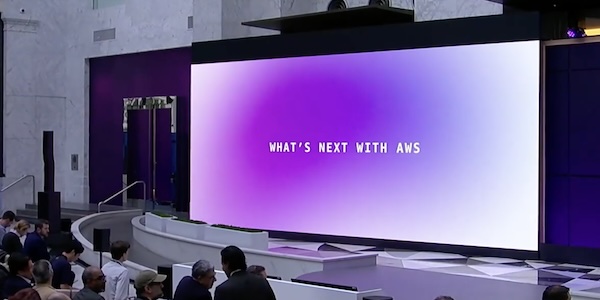
AWS unveils new agent-based services
At the 'What's Next with AWS 2026' event, AWS introduced a range of new services focused on how AI agents can transform business operations. AWS CEO Matt Garman, Amazon Applied AI Solutions SVP Colleen Aubrey, AWS CMO Julia White, and leaders from OpenAI attended to share customer success stories regarding business transformation through agents.
Adobe expands AI agent ecosystem with AWS, Google, Microsoft, and OpenAI
Adobe announced on the 2nd that it is joining forces with global tech leaders to expand its AI agent ecosystem. Adobe is strengthening its cooperation with major AI platforms, including Amazon Web Services (AWS), Google Cloud, Microsoft, and OpenAI. This move is seen as part of Adobe's strategy to broaden the utility of AI across its platforms.

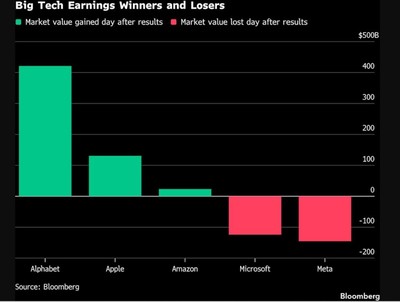
Big Tech Q1 earnings reveal clear AI winners and losers
According to a Bloomberg report on May 3, the Q1 earnings season for the world’s largest tech companies shows a widening performance gap in AI investment outcomes. The divide between companies that have demonstrated tangible results from their AI bets and those that have not became clear during this earnings season.
US corporate Q1 earnings surpass Wall Street expectations
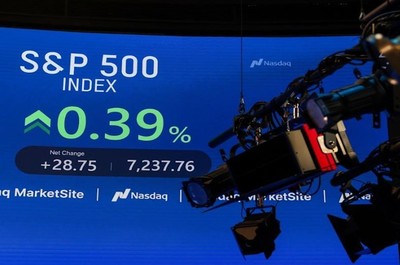
A Bloomberg article from May 2 reported that US corporate performance in Q1 was generally strong, alleviating concerns on Wall Street. Many technology firms, bolstered by AI-related investments, reported earnings that exceeded market expectations.
Government Policy & Public Projects
Government Policy Briefing for May 4, 2026
According to Sisa News, press releases for key policies from 19 South Korean government ministries were issued on Monday, May 4, 2026. The Ministry of the Interior and Safety disclosed 28 items from the list of presidential records in the Office of the Secretary and the National Security Office regarding the Sewol ferry disaster. Public policy trends related to digital and AI sectors continue to be announced by each ministry.
Background on public cloud security certification integration
As previously reported by Financial News, discussions have been held regarding the consolidation of the dual verification process—which previously required approval from both the Ministry of Science and ICT and the National Intelligence Service—into a single National Intelligence Service-led verification system. This measure aims to lower barriers to entry for the public cloud market and reduce the burden on companies. Note that this report was released prior to the verification deadline (2026-05-02), and follow-up discussions are reportedly ongoing.
Market Insights & Key Trends
Investors eye AI security startups
According to Money Today, there is growing investor interest in security AI that detects false information ("AI nonsense") generated by AI. As the "hallucination" problem—where AI models naturally generate factually incorrect information—gains attention, relevant startups are emerging. Alongside this, AI-related legal disputes are increasing, such as the $110 million (approximately 160 billion KRW) damages lawsuit filed against Google.
Global AI competition shifts due to surge in defense and dual-use tech investment
According to Korea IT Industry News, a study published on April 28, 2026, by the British international affairs think tank Chatham House, analyzed that the surge in investments in defense and dual-use technologies is reshaping the global AI competitive landscape. The report points out that as AI technology spreads rapidly across both civilian and military domains, the dynamics of international competition are shifting.

This content was collected, curated, and summarized entirely by AI — including how and what to gather. It may contain inaccuracies. Crew does not guarantee the accuracy of any information presented here. Always verify facts on your own before acting on them. Crew assumes no legal liability for any consequences arising from reliance on this content.
Powered by
