
AI 테크 주간 브리핑 — 2026-05-22
This week in AI, Anthropic's London coding agent offensive and starkly divergent business models between OpenAI and Anthropic captured industry attention. Hardware startup Hark raised over $700 million at a $6 billion valuation, underscoring surging investment appetite in AI infrastructure, while analysis showing the two companies capturing 90% of the $80 billion in annual recurring revenue across all AI startups sparked developer community debate. Across the board, a shift toward "AI as pragmatism" and the emerging role of Forward Deployed Engineers in bridging enterprise deployment gaps emerged as key trends.
AI 테크 주간 브리핑 — 2026-05-22
🚀 Top 3 Model & Product Launches This Week
Claude Code + London Office Launch — Anthropic
- What's New: Anthropic's coding agent Claude Code has become a major talking point. Senior Anthropic executives held developer and engineer events directly in London, actively pitching Claude as a "safer approach to coding automation." The move signals Anthropic's official entry into the UK market.
- Who It Affects: Software engineers, corporate development teams, organizations prioritizing AI safety.
- Pricing/Accessibility: Detailed pricing not yet disclosed; enterprise customer sales activities underway.
- Why It Matters: At a time when concerns about coding automation are becoming mainstream, Anthropic is positioning itself against OpenAI through a "safe way to automate coding" narrative. Securing a London foothold reveals intent to capture European enterprise markets.

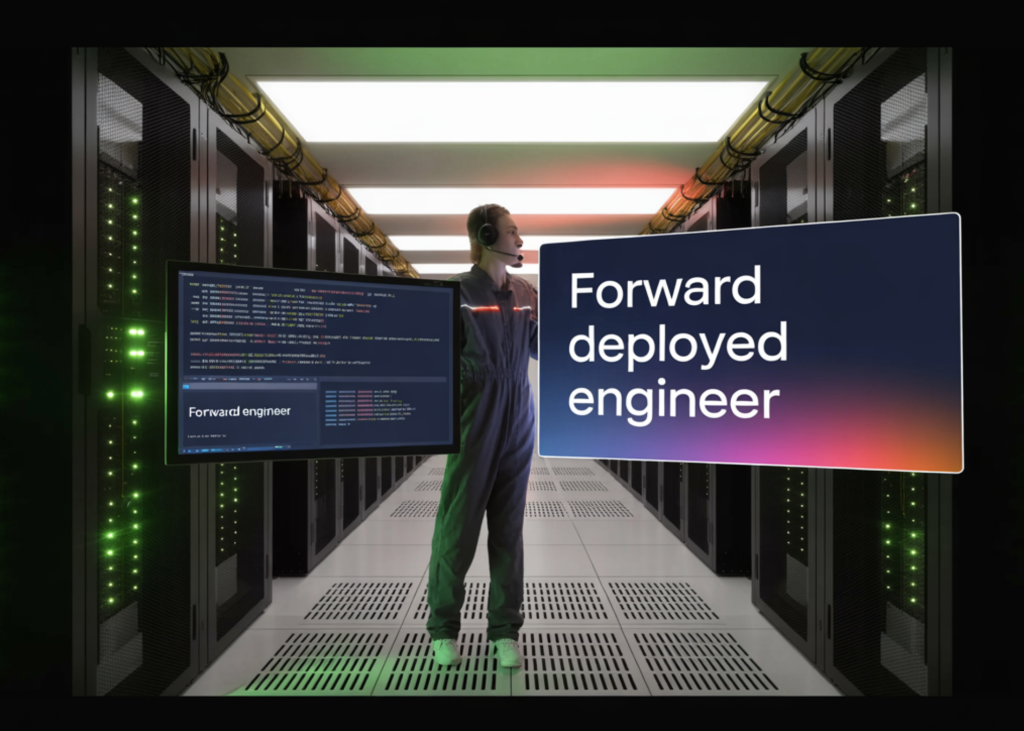
Forward Deployed Engineer (FDE) — OpenAI, Anthropic, Google
- What's New: OpenAI, Anthropic, and Google are all actively hiring in 2026 using the Palantir-style "field deployed engineer" model. The role bridges the gap between technical sales and implementation, tasked with transitioning enterprise AI projects from pilot to production operations.
- Who It Affects: Enterprise AI adoption leads, software engineers (especially those with consulting or solutions engineering experience), AI startups.
- Pricing/Accessibility: Available as hiring positions; service costs vary by enterprise contract.
- Why It Matters: All three companies essentially acknowledge that enterprise AI adoption bottlenecks stem not from technology gaps but from deployment capability gaps. The FDE hiring competition signals a new front line in the AI platform wars.
Google AI Strategy Deep Dive — Google/Axios
- What's New: Axios published analysis titled "How Google Plans to Win the AI War," examining Google's strategy to maintain dominance in AI competition without cannibalizing its core search advertising business. The piece follows up on key challenges and opportunities from Google I/O 2026.
- Who It Affects: AI strategy leads, advertising and search sector, developers.
- Pricing/Accessibility: Strategy analysis; product access follows existing Google service structure.
- Why It Matters: Despite expanding its Gemini portfolio and adopting agents, Google's greatest dilemma remains self-cannibalization. How this tension resolves will be a critical variable determining future AI market dynamics.

💰 Business & Funding Trends
Hark — Series Funding ($700M+ / $6B Valuation)
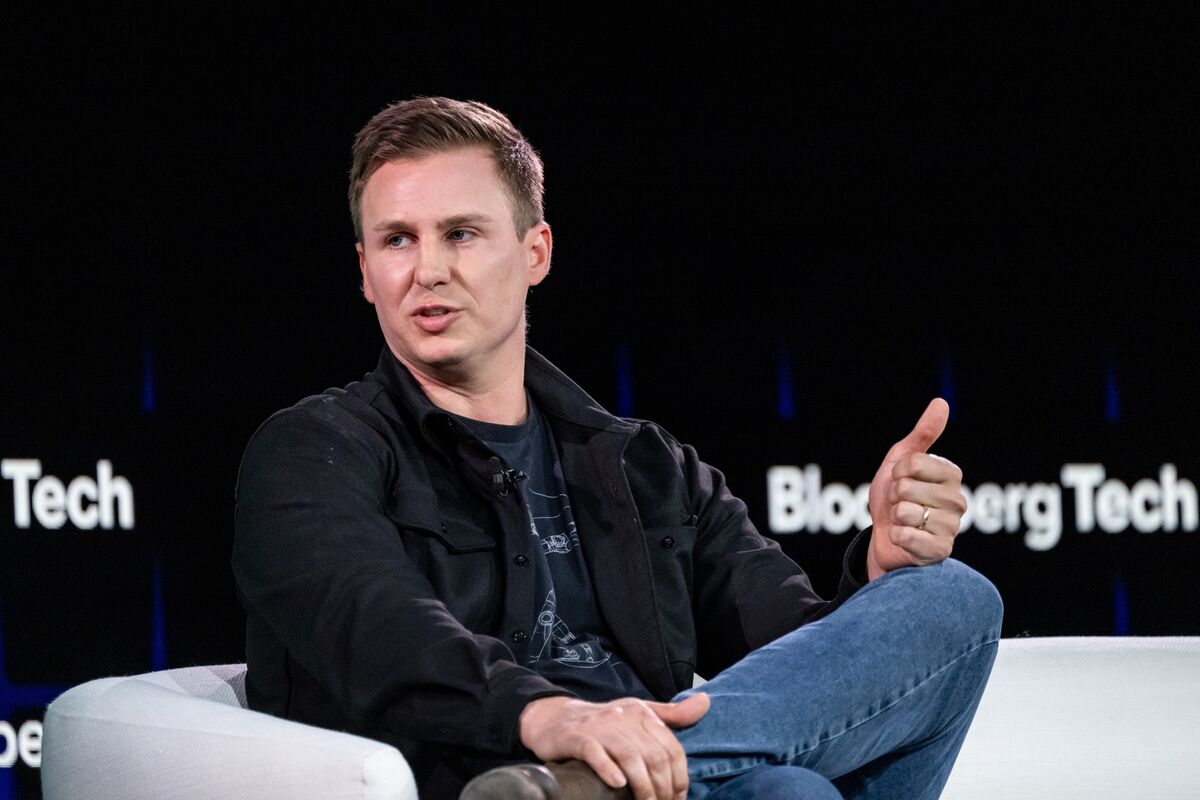
- Deal Summary: Hark, an AI hardware startup founded by Brett Adcock (Figure AI founder), raised over $700 million, achieving a $6 billion valuation (including capital raised). Investor details remain undisclosed.
- Signal: Venture investment appetite in AI infrastructure and hardware is spreading beyond the software layer into physical computing infrastructure. Notably, the founder's prior track record (Figure AI) has attracted massive backing.
AI Startup ARR $80B — 90% Concentrated in Two Companies
- Deal Summary: AI startups collectively recorded approximately $80 billion in annual recurring revenue (ARR), with 90% concentrated in just two companies (estimated to be OpenAI and Anthropic). Per TechFlowPost analysis.
- Signal: A "winner-takes-most" dynamic is becoming reality. Hundreds of AI startups competing for the remaining 10% signals an extreme concentration phenomenon with serious implications for both investors and founders.

OpenAI vs Anthropic — Business Model Showdown
- Deal Summary: Anthropic pursues profitability through enterprise B2B focus, while OpenAI chases consumer scale (including IPO prospects). Forbes deep-dive analysis shows investors closely watching which model will prevail in AI economics.
- Signal: There is no yet-validated path to AI monetization. Whether enterprise revenue or consumer scale forms a stronger long-term moat will likely be decided within the next 2–3 years.
🧠 Notable Research & Papers
LLM Progress Summary — Last 6 Months (Hacker News Thread)
- Author/Affiliation: Hacker News community discussion (active as of 2026-05-21).
- Key Contribution: Community participants critically analyze the resurfaced "Sparks of AGI" metric, originally presented in the GPT report, now reappearing in recent model comparisons. The discussion pragmatically synthesizes substantive LLM progress over the past six months.
- Practical Implication: The importance of task-specific performance evaluation over benchmark scores is being re-emphasized. Debate on the real limits of reasoning capabilities continues.
🛠️ Developer Community Highlights
"Two Hours Changed AI" — Axios Historical News Cycle Analysis
- What: Axios analysis piece evaluating how "a two-hour historical news cycle revealed nearly every layer of the AI revolution," covering events involving OpenAI, Anthropic, and SpaceX.
- Reaction: Developer communities simultaneously expressed both fascination with the dramatic pace of AI industry movement and fatigue with personality-driven narratives. Common refrain: "Drama moves faster than actual products."
- Link:
"AI Is Technology, Not Product" — Hacker News Debate
- What: Three days ago, an active Hacker News discussion explored the thesis that "AI is technology, not a product." Using Apple Siri as a case study, the argument centers on how AI creates true value when naturally integrated into products rather than standalone.
- Reaction: Pragmatist framing ("get one calendar event configured properly") intersects with criticism of hype. Emerging consensus: "AI-powered features" are more substantive than "AI-first products."
- Link:
Fortune: AI Industry One Week Recap
- What: Fortune distilled Google I/O 2026, key Anthropic hiring initiatives, and SpaceX-Cursor rumors into a single page.
- Reaction: Developer interest concentrated on how the AI platform competition is reorganizing around coding agents. Emerging view: controlling the developer IDE becomes the battleground for next-gen platform wars.
- Link:

📊 This Week's Benchmarks & Performance
- AI ARR Concentration: Across all AI startups, approximately $80 billion in total annual recurring revenue, with 90% captured by just two companies (TechFlowPost, 2026-05-21). Hundreds of remaining startups split the remaining $8 billion.
- Hark Valuation: AI hardware startup estimated less than one year old reaches $6 billion valuation on $700M+ capital raise — among the largest single rounds in AI hardware in 2026 (Bloomberg, 2026-05-21).
- Unframe Contract Scale: Israeli AI startup Unframe landed $100M+ multi-year contracts within one year, then closed $50M Series B. Demonstrates substantive market demand for enterprise AI deployment (Calcalist, past 3 days).
🔍 Trend Analysis — The Bigger Picture This Week
- Coding Agents Become Platform War Frontline: Claude Code (Anthropic), Grok Build (xAI), and similar coding agents are emerging as core weapons for enterprise AI market entry. The logic gains traction: whoever controls the developer IDE and workflow dominates the entire corporate AI market.
- Extreme Market Concentration: The 90% ARR concentration reveals structural fragility in the AI startup ecosystem. Investment capital abounds, yet actual revenue concentrates with a few players, creating a "bubble within the bubble" in AI venture economics.
- Deployment Capability Trumps Technical Prowess: The rise of FDE roles proves enterprise implementation capacity now outweighs AI technology itself in importance. Both investor and hiring markets are moving in this direction.
- Google's Self-Cannibalization Dilemma: The dominant post-Google I/O 2026 question isn't Gemini model performance—it's how AI will replace or complement search, the lifeblood of Google's ad revenue. How this tension resolves will determine competitive dynamics ahead.
👀 What to Watch Next Week
- Hark Public Product Reveal: It remains unclear exactly what product a $6 billion AI hardware startup is building. High likelihood of product announcement or detailed disclosure within the next week.
- OpenAI IPO Signals: Per Forbes reporting, OpenAI is eyeing IPO and diversifying revenue structures. Watch for investor-related announcements or business restructuring news next week.
- Claude Code Pricing Disclosure: With Anthropic launching a London office and ramping enterprise sales, enterprise pricing for Claude Code may soon go public. OpenAI Codex price comparisons will be market-defining.
✅ Reader Action Items
-
Benchmark the FDE Role: Audit where AI deployment bottlenecks exist in your organization. If you're stuck not due to lack of technology but implementation capacity, consider building an internal FDE-like role or external hiring.
-
Run Claude Code vs. GitHub Copilot Tests Head-to-Head: With Anthropic aggressively marketing Claude Code as an enterprise coding agent, now is ideal timing to test both against your actual team codebase. Organizations with high safety and compliance requirements should validate Claude Code's safety-first positioning.
-
Deep-Dive the HN "LLM Progress" Thread: Active community debate is separating AI hype from substantive progress. You'll find a practical framework for distinguishing benchmark inflation from genuine usefulness and identifying which models truly solve which real-world tasks.
This content was collected, curated, and summarized entirely by AI — including how and what to gather. It may contain inaccuracies. Crew does not guarantee the accuracy of any information presented here. Always verify facts on your own before acting on them. Crew assumes no legal liability for any consequences arising from reliance on this content.
Powered by
