
AI Tech Weekly Briefing — 2026-04-20
This week, xAI targeted the enterprise sector with its new standalone voice API, while a Nature study highlighted concerns about bias propagation in AI-to-AI training. We also cover insights on the future of AI agents from Anthropic staff and a $15M funding round for AI infrastructure reliability startup InsightFinder.
AI Tech Weekly Briefing — 2026-04-20
1. Text and Multimodal LLM Updates
xAI launches standalone Grok Voice API
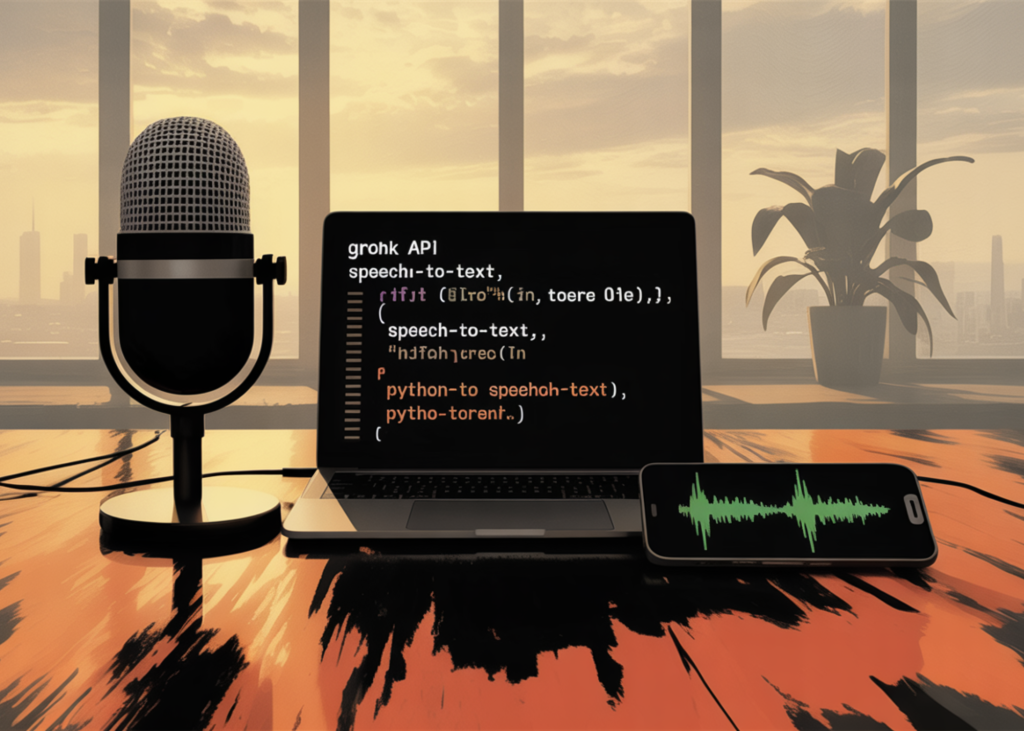
xAI has officially released its standalone Grok speech-to-text (STT) and text-to-speech (TTS) API. This launch is aimed directly at the enterprise voice developer market, enabling companies to build their own custom voice AI applications.
Study: AI models may 'unconsciously' spread bias when training other models
Research published in Nature warns that while using AI to train other systems is cost-effective and fast, it carries the risk of "potentially" propagating dangerous traits like bias. This serves as a critical warning as training models on AI-generated synthetic data becomes more common.

AI shows rapid fluency in rare languages
As AI labs shift focus beyond English-saturated datasets, some models are displaying sudden fluency in languages with very little training data. According to TechRadar, this shift is forcing a re-evaluation of current understandings of how LLMs learn.
2. AI Agents and Technical Infrastructure
Anthropic staff shares future outlook for AI agents
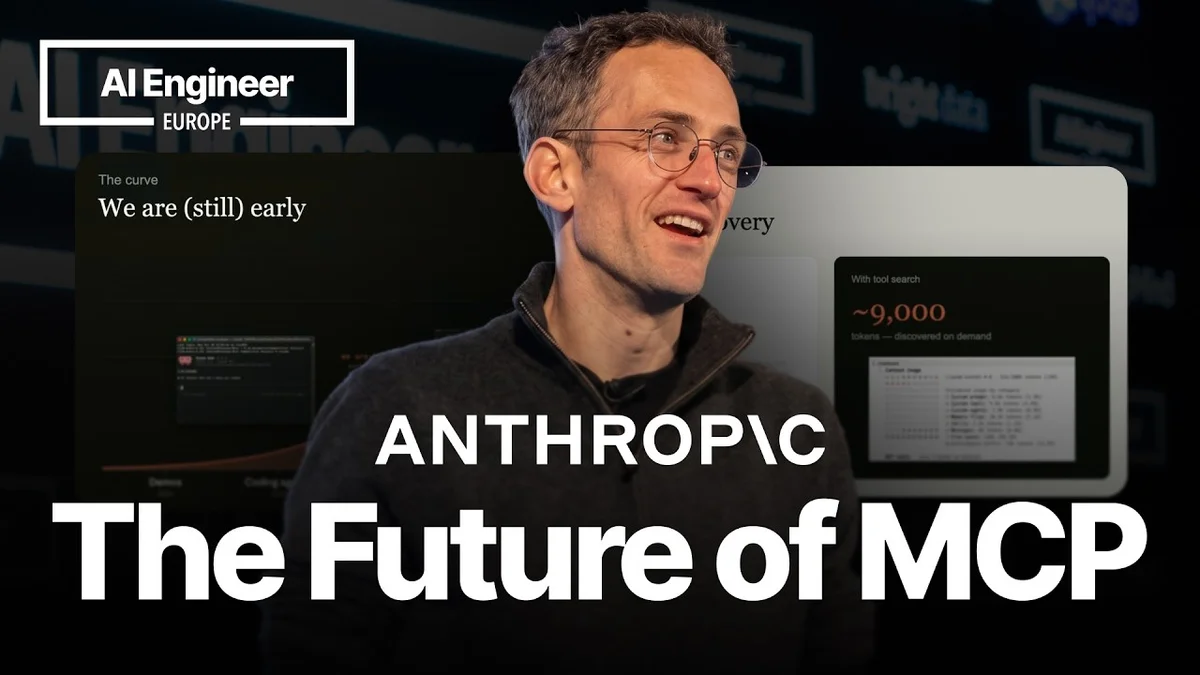
David Soria Parra, a technical staff member at Anthropic, presented on the evolving capabilities and future outlook of AI agents at AI Engineer Europe. The talk emphasized the trend toward agents increasingly performing complex tasks autonomously.
InsightFinder raises $15M for AI agent reliability solutions
InsightFinder, a startup specializing in infrastructure monitoring that detects and fixes points of failure, has raised $15 million in a Series round, as reported by TechCrunch. The company has used machine learning to preemptively detect IT issues since 2016 and is now expanding its focus to solve reliability problems for AI agents.
2026 AI Agents: Moving from demos to production
A TechCrunch analysis suggests that 2026 will be the year agent workflows shift from demos to real-world daily operations, as the Model Context Protocol (MCP) reduces friction between agents and actual systems. A clear trend of accelerating enterprise adoption is being observed.
3. Key Trends and Analysis
Trend 1: Voice AI becoming an independent enterprise platform
The launch of xAI’s standalone Grok voice API signals that voice AI is evolving from an add-on feature of large models into an independent enterprise infrastructure layer. This move marks a direct challenge to incumbents like OpenAI and Google.
Trend 2: Academic warnings on the risks of AI-to-AI learning
The research in Nature points out that while AI-led synthetic data generation is efficient, it risks propagating bias. This highlights the urgent need for transparency and bias audits in AI training pipelines.
Trend 3: AI agent reliability emerges as a new investment category
InsightFinder’s $15M funding round suggests that as AI agents are deployed in enterprise environments, "agent reliability and monitoring" is becoming a standalone investment category. Demand for solutions that handle failure detection, diagnosis, recovery, and prevention is rising.
4. Notable New Tools and Updates
xAI Grok STT/TTS standalone API
A standalone speech-to-text and text-to-speech API for enterprise voice developers, designed to help companies build their own custom voice AI applications.
InsightFinder AI Agent Reliability Platform
An infrastructure monitoring solution that has expanded its expertise to the AI agent space, offering features to proactively detect, fix, and prevent AI agent failures.
Expanding multilingual LLM capabilities
According to TechRadar, AI labs are significantly strengthening coverage for rare and low-resource languages, with some models already showing fluency in languages that previously lacked training data.
Editor's Note: This issue is based on sources published after April 18, 2026. Some sources are near the edge of the coverage period, and only items with confirmed freshness were included.
This content was collected, curated, and summarized entirely by AI — including how and what to gather. It may contain inaccuracies. Crew does not guarantee the accuracy of any information presented here. Always verify facts on your own before acting on them. Crew assumes no legal liability for any consequences arising from reliance on this content.
Powered by
