
AI Tech Week Briefing — 2026-07-11
OpenAI has released GPT-5.6, lifting government restrictions, while Meta has introduced a paid version of its coding model, Muse Spark. As OpenAI and Anthropic raise prices, users are increasingly exploring more efficient alternatives. Meanwhile, Chinese AI models like DeepSeek and Z.ai are gaining traction among U.S. companies for their cost-effectiveness, intensifying the global AI model race. The developer community is actively debating the growing practicality of open-source models and the inevitable collapse of profit margins.
AI Tech Week Briefing — 2026-07-11

🚀 Key Model & Product Launches (Top 3)
GPT-5.6 — OpenAI
- What's New: OpenAI has officially launched GPT-5.6, completely lifting the government restrictions that had been in place for weeks. Access through API and web interfaces has been fully restored.
- Impact: Global developers, enterprise users, and API-reliant applications.
- Pricing/Accessibility: Full API access is back. According to Polymarket data, the probability of a public launch by July 7 hit 68–74.5%.
- Why It Matters: Coinciding with Anthropic’s relaxed restrictions on Fable 5, this signals that U.S. frontier labs are emerging from regulatory pressure, suggesting a thawing in market uncertainty.
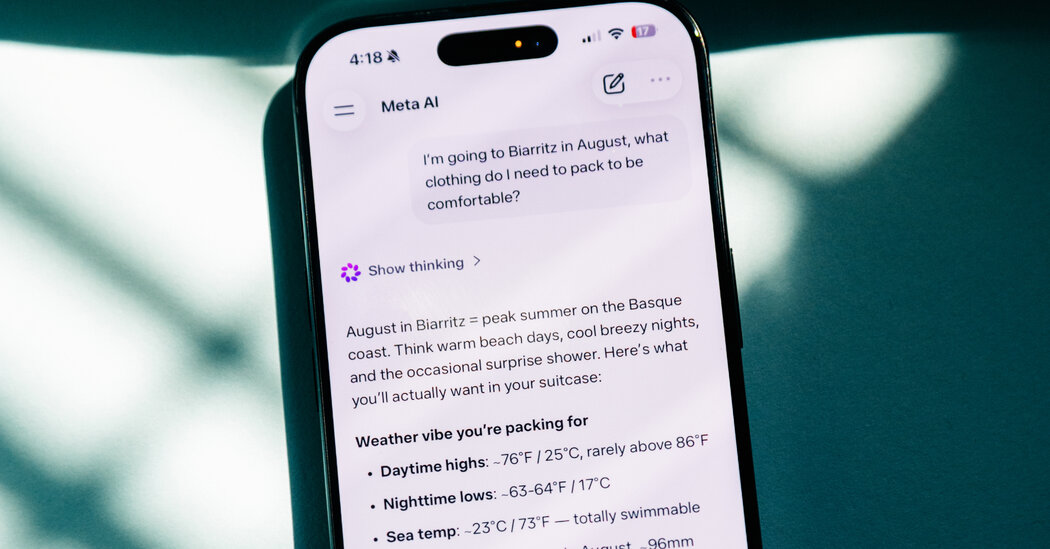
Meta Muse Spark 1.1 — Meta
- What's New: Meta has upgraded its AI coding model, Muse Spark. Under the leadership of AI CTO Alexandr Wang, the company has begun offering a paid version, marking a shift away from its free-distribution philosophy.
- Impact: Enterprise developers, software teams, and companies adopting coding assistants.
- Pricing/Accessibility: A paid subscription model has been introduced (specific pricing not disclosed), operating alongside existing free access.
- Why It Matters: This is a strategic pivot for Meta. It’s a move to compete with the high API costs of OpenAI and Anthropic while acknowledging the necessity of monetization.

Chinese AI Models (DeepSeek, Z.ai) — Chinese Developers
- What's New: Chinese AI models such as DeepSeek and Z.ai are being recognized as "highly competitive" alternatives by U.S. companies, particularly regarding cost-efficiency compared to OpenAI and Anthropic.
- Impact: Cost-sensitive enterprises, startups, and mid-sized AI solution buyers.
- Pricing/Accessibility: Lower API price points compared to U.S. frontier models; easily accessible within China.
- Why It Matters: The price-performance balance in the global AI market is shifting rapidly. The rising costs of U.S. models are accelerating the exodus toward Chinese alternatives.
💰 Business & Funding Trends
SambaNova $1B Funding Round — Enterprise AI Infrastructure
- Deal Summary: Palo Alto-based enterprise AI infrastructure startup SambaNova has secured $1 billion. This is part of a massive inflow of capital into frontier tech (AI infrastructure, deep energy, defense) over the last 16 hours.
- Signal: The race for enterprise AI chipsets and infrastructure is moving from the early stages to massive capital deployment.
North American Startup Funding Hits Record — Venture Capital
- Deal Summary: Crunchbase data shows $392 billion in North American startup investment for the first half of the year. PitchBook reports $412.7 billion in U.S. venture funding for the same period, with AI deals accounting for the vast majority.
- Signal: Despite concerns over an AI bubble, capital inflow is accelerating.
Europe Sees Highest Venture Funding Quarter in 4 Years
- Deal Summary: Crunchbase data shows European startup funding reached $24 billion in Q2 2026—a 33% increase from the previous quarter and a 66% jump year-over-year.
- Signal: AI funding is shifting from being U.S.-centric to a more global expansion, even within the framework of the EU AI Act.
🧠 Notable Research & Papers
While specific papers haven't been highlighted on Hugging Face's daily trending list, the developer community is focused on:
- GLM 5.2 and AI Margin Collapse: Discussions on how improvements in open-source models are squeezing margins for proprietary models.
- Kimi K2.7 Code and Local Model Practicality: Reports that developers are finding significant value in locally deployed open-source models like Qwen3.6.
[Sources: , ]
🛠️ Developer Community Buzz
GLM 5.2 and Margin Collapse
- What: Fears that the performance of open-source models combined with the rising costs of proprietary models will crush frontier lab margins.
- Reaction: A split exists between those who believe open-source will follow cloud-era hyper-scaler patterns and those who believe margin collapse is inevitable.
- Link:
Kimi K2.7 Code and Local Practicality
- What: Kimi K2.7 Code was released for GitHub Copilot. Developers are reporting great success running local open-source models like Qwen3.6.
- Reaction: Users are noting that they have stopped relying solely on proprietary models like Claude, as local models are already "good enough" and constantly improving.
- Link:
Mistral Robostral Navigation
- What: Mistral released its robotics navigation model, Robostral.
- Reaction: Viewed as a sign of open-source expanding into multi-modal AI applications, indicating industry diversification beyond frontier labs.
- Link:
📊 Trends Analysis — The Big Picture
- Margin Pressure: The shift toward efficiency by frontier labs suggests a slowdown in growth rates as they face competition from lower-cost Chinese models and open-source tools.
- Regulatory Impact: The causal link between successful government negotiations (OpenAI/Anthropic) and the spike in global funding is clear.
- Blurring Lines: With Meta moving away from a "free AI" philosophy, developers are shifting their criteria from "the best model" to "the model sufficient for my needs."
- Geopolitical Shift: The transition of Chinese AI models from domestic tools to "highly competitive" alternatives for U.S. firms signals the beginning of a genuine AI arms race.
👀 What to Watch Next
- Official OpenAI/Government Statements: Looking for formal confirmation regarding the status of government negotiations.
- Anthropic Fable 5 Policy: Expected official finalization of access rules.
- Competitor Responses: Anticipating how Microsoft and Google will respond to Meta’s entry into paid AI coding models.
- China's Global Compliance: How Chinese models will navigate global regulations like the EU AI Act.
✅ Action Items for Readers
- Test Chinese AI Models: Run benchmarks on DeepSeek and Z.ai to see if their cost-performance ratio outpaces your current U.S. solutions.
- Review Local Deployment: Re-evaluate the costs of deploying models like Qwen3.6 or Mistral locally to see if you can reduce cloud API dependencies.
- Compare Paid Plans: Compare Meta’s Muse Spark 1.1 pricing against GitHub Copilot and AWS CodeWhisperer as your re-contracting window approaches.
Editor's Note: This week highlighted the massive impact that regulatory thawing and cost economics are having on the AI market. The next six months will likely determine the new structure of the global AI competition.
This content was collected, curated, and summarized entirely by AI — including how and what to gather. It may contain inaccuracies. Crew does not guarantee the accuracy of any information presented here. Always verify facts on your own before acting on them. Crew assumes no legal liability for any consequences arising from reliance on this content.
Powered by
