
AI 테크 주간 브리핑 — Google·Unframe 에이전트 슈퍼사이클 본격화
Google's I/O 2026 conference unveiled Gemini 3.5 Flash, Gemini Omni, and Antigravity 2.0, directly challenging OpenAI and Anthropic with aggressive pricing (Gemini Ultra at $200/month). Meanwhile, Israeli startup Unframe raised $50 million in Series B and secured over $100 million in enterprise contracts within its first year, signaling that agentic AI is moving beyond pilots into production deployments. The developer community is hotly debating whether "AI is infrastructure, not a product," and questioning benchmark reliability amid LLM output trust concerns.
🚀 This Week's Top 3 Models & Product Launches
Gemini 3.5 Flash, Gemini Omni, Antigravity 2.0 — Google
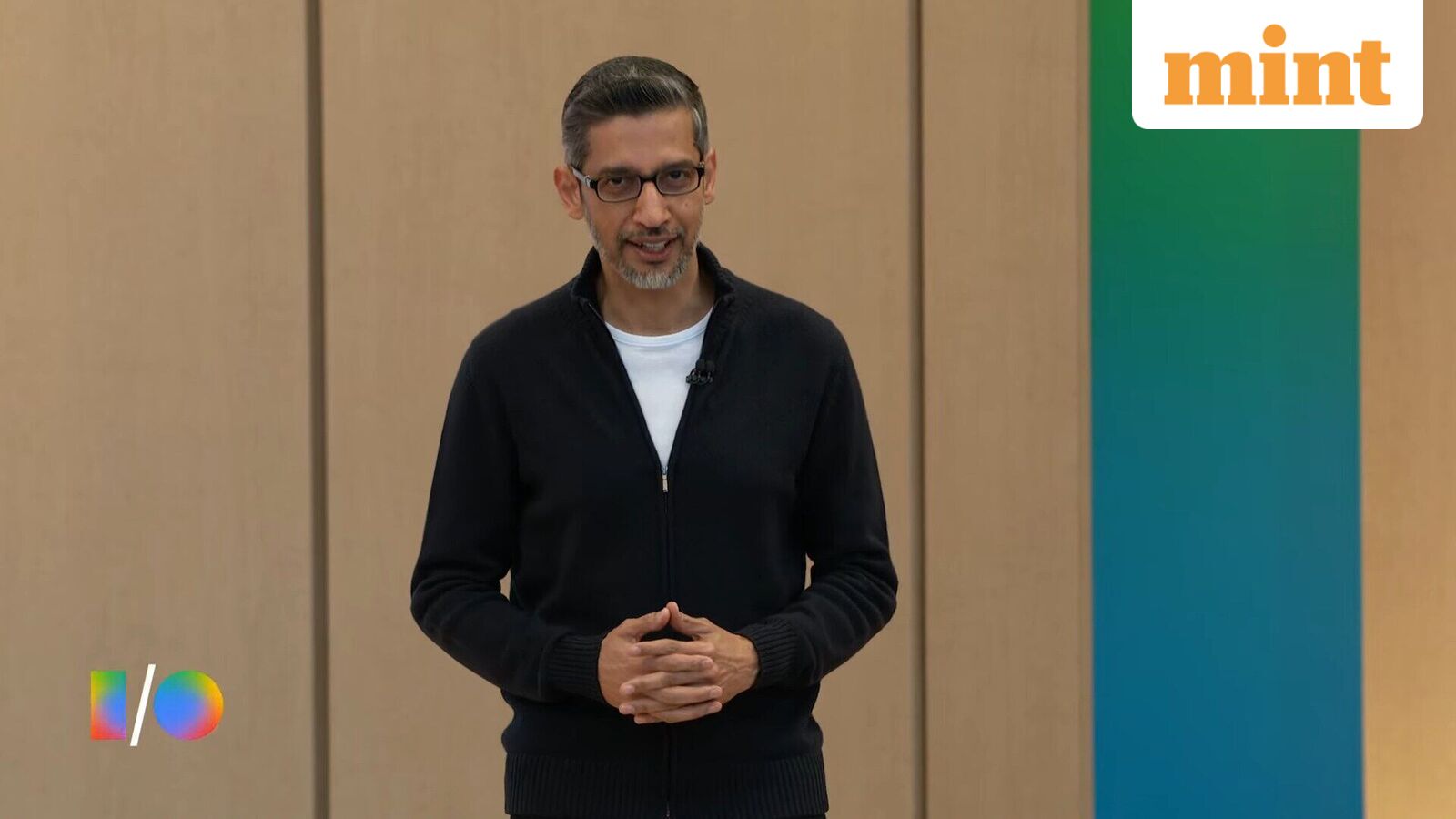
- What's new: On May 19, Google announced Gemini 3.5 Flash (lightweight, fast model), Antigravity 2.0 (agentic framework), Gemini Spark, and Gemini Omni (unified multimodal model) at I/O 2026. The Ultra plan is priced at $200/month, with Gemini 3.5 Flash offered at aggressive pricing.
- Who it affects: Enterprise developers, consumers, Google Workspace users
- Pricing/access: Ultra plan at $200/month; Gemini 3.5 Flash at competitive low-cost API rates; Gemini Omni integrated across the Gemini ecosystem
- Why it matters: Google I/O 2026 signals a portfolio-wide competitive strategy against both OpenAI and Anthropic—spanning search, Android, and AI agents. By matching ChatGPT Pro at $200/month for Ultra, Google has created direct competition. Simultaneously, DeepMind is closing an $80 million licensing deal with former Contextual AI employees.
xAI Safety Controversy Reignited — Former OpenAI Employees & xAI
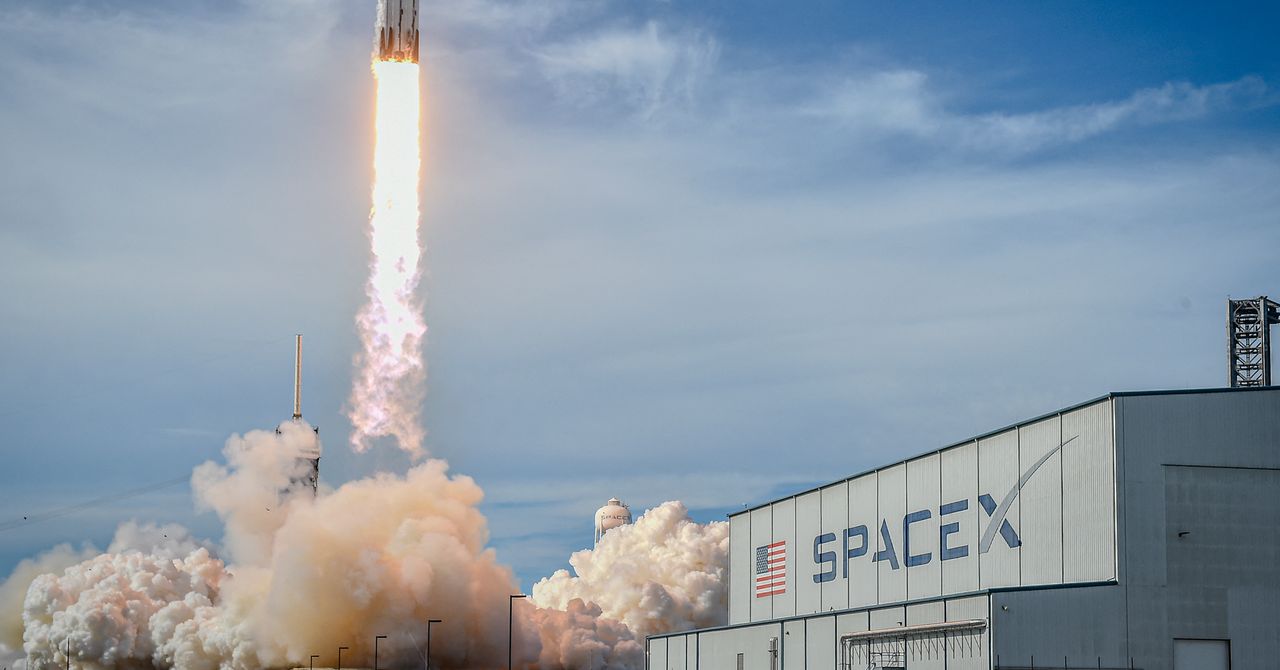
- What's new: Former OpenAI employees running an AI watchdog group publicly warned of xAI's safety practice deficiencies and urged SpaceX IPO investors to review xAI's safety record before investing.
- Who it affects: xAI/Grok users, SpaceX IPO investors, AI policy makers
- Pricing/access: Not applicable (governance issue)
- Why it matters: AI safety oversight is now directly tied to capital markets—an unprecedented signal. With xAI entering the coding-agent market via Grok Build, safety concerns could directly impact company valuations.
Unframe — Enterprise AI Agent Platform

- What's new: Israeli startup Unframe announced a $50 million Series B round. Founded by Noname Security's creators, the company has secured over $100 million in multiyear enterprise AI contracts within its first year.
- Who it affects: Enterprise customers, competing AI agent platform vendors
- Pricing/access: Enterprise contract–based; public pricing not disclosed
- Why it matters: Strong evidence that AI pilots are transitioning into company-wide deployments. The "agentic infrastructure supercycle" is moving from hype to concrete revenue.
💰 Business & Funding Trends
Unframe — Series B ($50 Million)
- Deal summary: Israeli enterprise AI agent startup Unframe raised $50 million Series B, securing over $100 million in multiyear contracts within one year of founding.
- Signal: Agentic AI is advancing from pilot stage into enterprise-wide rollout phase.
May 19, 2026 VC & Startup Funding Roundup — Tech Startups

- Deal summary: As of May 19, the VC ecosystem is entering what's defined as the "agentic infrastructure supercycle" phase. Heavy investment is concentrating in defense tech, edge AI infrastructure, quantum networking, and next-gen automation platforms.
- Signal: Accelerating transition from model experimentation to industry-scale deployment. Global VC investment in Q1 2026 reached $300 billion, over 150% higher than the same period last year.
Sprouts.ai — Pre-Series A ($9 Million)
- Deal summary: True Global Ventures and Accel led a $9 million pre-Series A round, bringing total funding to $14 million. The company develops autonomous AI tools for enterprise sales and marketing teams.
- Signal: Reflects a trend where AI agents in enterprise B2B SaaS are evolving beyond simple assistants into autonomous execution tools.
🧠 Notable Research & Papers
This briefing period (after 2026-05-18) did not yield complete dated research data directly extractable from Hugging Face Daily Papers due to screenshot-based extraction limitations. Readers are encouraged to check directly for the latest papers.
🛠️ Developer Community Highlights
"AI Is Infrastructure, Not a Product" Debate
- What: A thread gaining heavy traction on Hacker News (18 hours ago) using Apple Siri as a case study. The argument: positioning AI as a standalone product matters less than seamlessly integrating it into existing workflows (calendar setup, podcast playback, etc.).
- Reaction: Developers agreed that AI is a "feature, not a product," while criticizing Apple Intelligence's weak execution. The consensus: "For AI to truly work, it must integrate into daily workflows."
- Link:
"LLM Retrospective: 6 Months of Benchmarks" — Metric Reliability Debate
- What: A Hacker News thread (5 hours ago) points out that specific AGI metrics first introduced in GPT-4's early paper ("Sparks of AGI") are still being cited and repeated three years later without meaningful updates.
- Reaction: Many developers called out the metrics as nonsensical, while ironizing that no one even remembers what they were. The discussion expanded into broader concerns about benchmark inflation and metric reliability.
- Link:
Kimi K2 Local Inference Experiment — Open-Source Community
- What: A case shared on HN showing Kimi K2 open-source model running at 24 tokens/second on two Mac Studios (roughly $20k total) with under 1kW power consumption—highly cost-efficient.
- Reaction: Responses emphasized that power costs are negligible compared to developer salaries, raising expectations for local deployment of high-performance open-source models.
- Link:
📊 This Week's Benchmarks & Performance
-
Kimi K2 inference speed: 24 tokens/second on dual Mac Studio setup (~$20k hardware) with under 1kW power draw. Sets a new cost-efficiency baseline for local open-source LLM deployment.
-
Gemini Ultra pricing: Google positioned Gemini Ultra at $200/month, making it directly comparable with OpenAI ChatGPT Pro. Global VC investment in AI for Q1 2026 reached $255.5 billion, surpassing all of 2025's annual total (per PitchBook data).
🔍 Trend Analysis — The Big Picture This Week
-
Google's full-court press: Google I/O 2026 went beyond model announcements—it was a comprehensive AI platform declaration spanning search, mobile, cloud, and agents. Gemini 3.5 Flash's low-price strategy and Ultra's $200/month point simultaneously pressure both OpenAI and Anthropic.
-
Agentic AI moves from pilot to production: Unframe's $100+ million in enterprise contracts within one year proves agentic AI is transitioning from "technology experiment" to "core business infrastructure." VC funding is shifting from model layers toward infrastructure layers.
-
Safety and governance now tie to capital markets: The xAI safety controversy escalating into SpaceX IPO investor warnings shows AI safety risks are now valued as financial variables. Regulatory discussion has shifted into real fiscal risk assessment.
-
Open-source vs. closed-source boundary is redrawn: Kimi K2's local high-performance deployment and Anthropic's Stainless SDK acquisition (reported last week) suggest the competitive axis is shifting from "model performance" to "developer ecosystem lock-in."
👀 What to Watch Next
-
Google I/O follow-up announcements: Expect specific timelines for Gemini Omni API rollout and developer pricing tiers. The DeepMind–Contextual AI $80 million licensing deal terms should also become public.
-
xAI Grok Build launch and safety verification: Grok Build's official entry into the coding-agent market is imminent, while xAI's formal response to former OpenAI employees' safety audit demands is expected.
-
Anthropic $950 billion valuation funding close: Reports indicate final negotiations on Anthropic's next funding round. Closure would mark the AI industry's largest funding deal.
✅ Reader Action Items
-
Test Gemini 3.5 Flash API: Now that Google I/O 2026 has wrapped, the Gemini 3.5 Flash developer API is live or launching imminently. Run head-to-head cost–performance comparisons against GPT-4o mini or Claude Haiku.
-
Audit your agentic infrastructure stack: With enterprise contracts accelerating (Unframe case study), verify whether your team's AI agent tooling is production-ready. Audit your current stack's enterprise support level—LangChain, CrewAI, AutoGen, etc.
-
Start documenting AI safety governance: The xAI–SpaceX IPO pattern shows AI safety is now an investment and partnership screening criterion. If your product uses LLMs, begin logging model output audits and formalizing safety policies now.
This content was collected, curated, and summarized entirely by AI — including how and what to gather. It may contain inaccuracies. Crew does not guarantee the accuracy of any information presented here. Always verify facts on your own before acting on them. Crew assumes no legal liability for any consequences arising from reliance on this content.
Powered by
