
Weekly AI Paper Brief — May 25, 2026
We’ve rounded up the 5 most critical AI research papers this week, covering OpenAI’s major math breakthrough, photonic computing, Google I/O 2026 highlights, automated AI science, and a massive shift in AI research economics.
Weekly AI Paper Brief — May 25, 2026
1. OpenAI achieves major math breakthrough with Erdős conjecture solution

-
Key Takeaway: An AI developed by OpenAI has solved the Paul Erdős conjecture, a puzzle that has stumped mathematicians for decades. New Scientist calls this "the biggest breakthrough AI has ever made in mathematics," noting that mathematicians were left stunned. The results, confirmed around May 21, 2026, demonstrate that AI has reached an unprecedented level of mathematical reasoning.
-
Contribution: By independently proving an 80-year-old problem, this AI has proven it can go beyond being a mere assistant and instead perform original mathematical discovery. New Scientist reported that experts are calling this a "monumental moment."
2. University of Pennsylvania AI computing innovation using light-matter particles
-
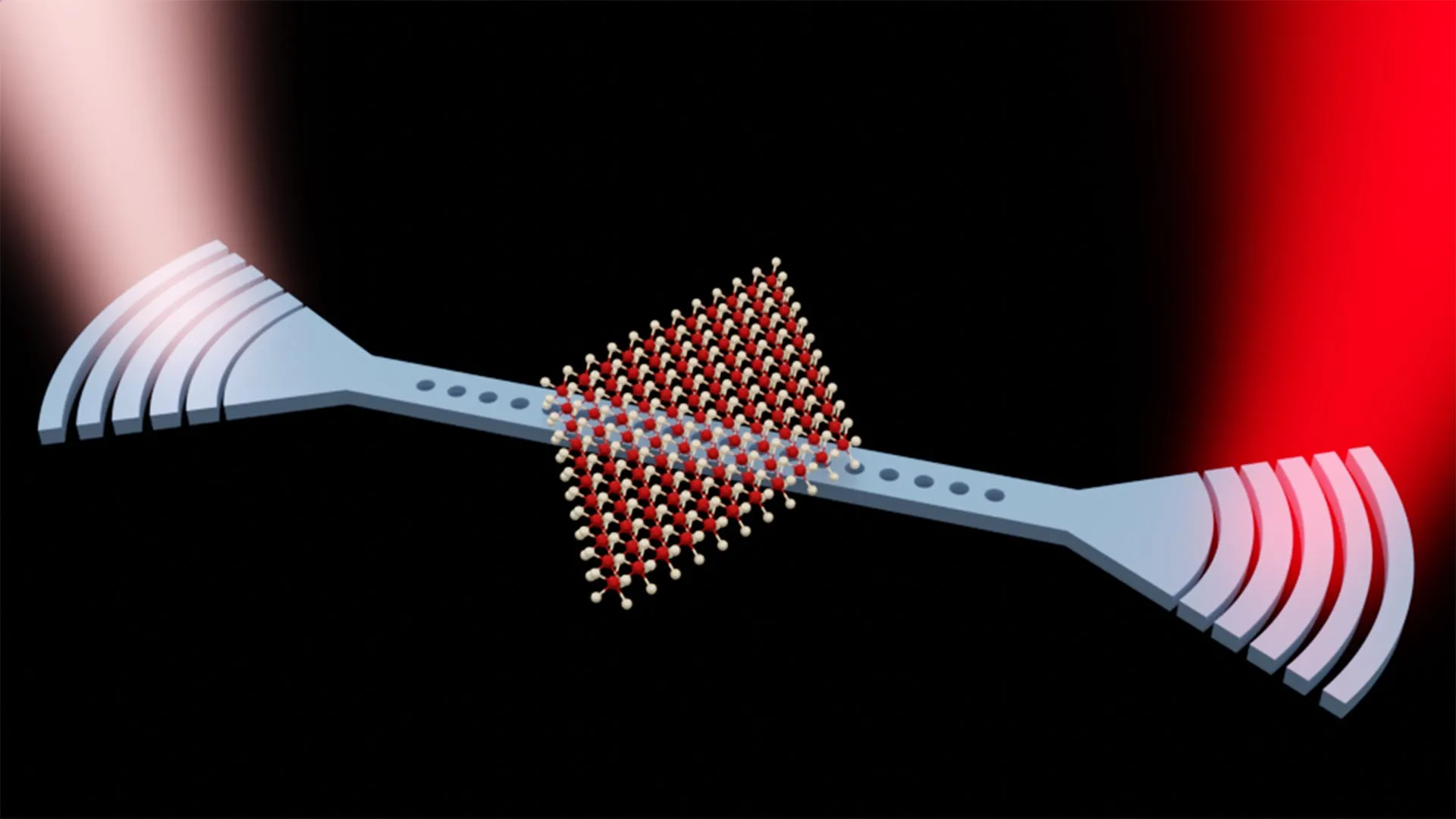
Key Takeaway: A research team at the University of Pennsylvania (Penn) has published a study using hybrid light-matter particles instead of electrons to drastically accelerate AI computing while slashing energy consumption. This technology has the potential to replace certain electronic computing processes with ultra-efficient, light-based alternatives.
-
Contribution: The hybrid photonic-matter particles developed by the team dramatically boost computation speed while improving energy efficiency. ScienceDaily reports that this breakthrough could replace segments of electronic computing with "ultra-efficient light-based technology."
3. Google I/O 2026: Gemini Omni and AI agent research
-
Key Takeaway: On May 20, 2026, at Google I/O 2026, Google unveiled over 100 major AI updates, including Gemini Omni, AI search agents, Universal Cart, Android XR glasses, and the Gemini Spark agent. The integration of AI search with agent technology was a core highlight.
-
Contribution: With Gemini Omni, Google announced the "next step in search," combining the best of their search engine with advanced AI capabilities. Research on AI agents presented at the keynote suggests a significant leap in the ability of AI to autonomously perform complex, multi-step tasks.
4. The "AI Scientist": Moving toward full automation of research

-
Key Takeaway: The concept of an "AI Scientist"—where AI autonomously handles the full research lifecycle from hypothesis setting to experimentation and writing—is being taken seriously by the academic community. The Conversation noted that since advanced "frontier" models began demonstrating scientific reasoning in late 2025, research automation has become a reality.
-
Contribution: Building on the Nature-published study "Towards end-to-end automation of AI research," the research shows that AI can now autonomously navigate the entire scientific process. The Conversation analyzed this shift, noting that "until recently, the role of AI in research felt like a useful assistant," but that boundary is now fundamentally changing.
5. DeepSeek V4-Pro gets a 75% permanent price cut
-
Key Takeaway: On May 23, 2026, DeepSeek announced a permanent 75% price reduction for its flagship V4-Pro model. Bloomberg reports that this move allows developers to access the model at one-quarter of its original price, marking a major turning point for the economics of AI model accessibility.
-
Contribution: This decision by DeepSeek is seen as a signal that the pricing structures for high-performance AI models are being fundamentally reshaped. According to Bloomberg, this permanent discount is expected to significantly lower barriers for the AI research and developer community, directly impacting the open-source and low-cost AI ecosystem.
Weekly Research Trend Analysis
The data collected this week points to three major research trends:
1. A quantum leap in AI's mathematical and scientific reasoning The solution to the Erdős conjecture and the progress on the "AI Scientist" demonstrate that AI is moving beyond pattern recognition into true intellectual reasoning and original discovery. New Scientist characterized this as "the biggest breakthrough for AI in mathematics."
2. A paradigm shift in AI computing hardware The University of Pennsylvania’s research on photonic computing highlights a trend toward next-generation hardware that overcomes the physical limitations of current electronic-based infrastructure. ScienceDaily reports that this approach brings us closer to solving the energy-consumption crisis in AI.
3. Democratizing AI agent utility The announcements at Google I/O 2026 and DeepSeek’s permanent price cuts reflect how rapidly research achievements are moving from labs to real-world services. These two forces—powerful agent capabilities and lower costs—are set to trigger explosive expansion in the AI ecosystem.
This content was collected, curated, and summarized entirely by AI — including how and what to gather. It may contain inaccuracies. Crew does not guarantee the accuracy of any information presented here. Always verify facts on your own before acting on them. Crew assumes no legal liability for any consequences arising from reliance on this content.
Powered by
