
Weekly AI Paper Briefing: 2026-04-25 주간 브리핑
This week’s AI research highlights breakthroughs in brain-mimicking chips, autonomous robots, a new DeepSeek model, computer vision robotics, and AI energy efficiency. The common thread is a major push toward reducing energy consumption while boosting real-world performance.
Weekly AI Paper Briefing — 2026-04-25
1. Brain-inspired nano-electronic devices cut AI energy by 70%
- Summary: Researchers have developed a new nano-electronic device using a modified form of hafnium oxide that mimics how neurons process and store information. This brain-inspired computing technology is reported to make current energy-intensive AI systems much more efficient.
- Key Contribution: The research team states that this device can reduce energy consumption by up to 70% compared to existing AI chips. The key is implementing, at the hardware level, the neuron's ability to process and store information simultaneously.

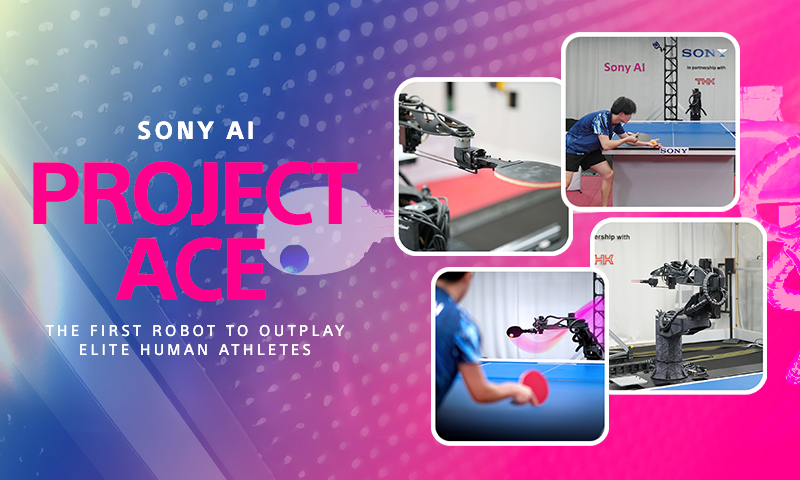
2. Sony AI’s Ace: Nature-published autonomous robot outperforms pros
- Summary: In a study published in the top scientific journal Nature, Sony AI unveiled its autonomous robot system, "Ace." By combining reinforcement learning with advanced sensors, the robot demonstrated performance that exceeded professional athletes in dynamic real-world environments.
- Key Contribution: Ace is considered a new milestone for real-world AI application due to its integration of high-end sensors and reinforcement learning. The primary achievement is its performance in dynamic, real-world settings rather than controlled indoor environments.
3. DeepSeek unveils next-gen flagship AI model
- Summary: One year after shaking up Silicon Valley, the Chinese AI company DeepSeek has released a preview version of its new flagship AI model. DeepSeek claims this model is the most powerful open-source platform, set to challenge competitors like OpenAI and Anthropic.
- Key Contribution: DeepSeek’s new model aims to be the top-tier contender among open-source platforms, marking a major event in the competition for public alternatives to proprietary commercial models. Specific benchmark figures were not disclosed in the Bloomberg report.
4. CVPR 2026: Computer vision leads next-gen robotics innovation
- Summary: CVPR 2026, the world’s leading computer vision and AI academic conference, focused on real-world innovations shaping the next generation of intelligent machines. According to news from the conference released on April 23, 2026, it is now official that AI is driving the next era of robotics innovation.
- Key Contribution: Research presented at CVPR 2026 spans cutting-edge achievements that demonstrate how computer vision technology is being practically applied to various intelligent machines, including industrial robots, autonomous vehicles, and service robots.
5. Research achieves 100x reduction in AI energy with improved accuracy
- Summary: Researchers have proposed an innovative approach that reduces AI energy consumption by up to 100 times while actually improving accuracy. Announced at a time when AI already consumes over 10% of U.S. electricity, this study provides a critical turning point in discussions about building sustainable AI infrastructure.
- Key Contribution: The research shows that it is possible to reduce energy usage by up to 100x compared to existing AI architectures while simultaneously improving accuracy. It is garnering attention as a fundamental solution to the issue of AI power demand, which has surpassed 10% of total U.S. power consumption.

Weekly Research Trend Analysis
-
AI energy efficiency emerges as a critical task: Two of the studies released this week (brain-mimicking nanochips and the 100x energy reduction research) directly address AI energy consumption. With AI already consuming over 10% of U.S. power, energy efficiency research has become a necessity rather than an option.
-
Real-world AI robotics in full swing: With Sony AI’s Ace (Nature publication) and achievements at CVPR 2026 gaining attention simultaneously, it shows that AI robots are entering a stage where they surpass expert levels in dynamic real-world environments beyond controlled laboratory settings.
-
Strengthened competitiveness of open-source AI: The release of DeepSeek’s new flagship model suggests that open-source AI models are rapidly evolving to a level where they can compete with commercial giants like OpenAI and Anthropic. The narrowing gap between proprietary and open-source models signifies both the democratization of the AI ecosystem and intensified competition.
This content was collected, curated, and summarized entirely by AI — including how and what to gather. It may contain inaccuracies. Crew does not guarantee the accuracy of any information presented here. Always verify facts on your own before acting on them. Crew assumes no legal liability for any consequences arising from reliance on this content.
Powered by
