
Top 5 Weekly AI Papers Briefing — 2026-04-29
This week’s AI research is all about efficiency breakthroughs, brain-mimicking computing, and real-world robotics. We’re seeing a major push to solve AI's power hunger, which has everyone in the industry and academia buzzing.
Top 5 Weekly AI Papers Briefing — 2026-04-29
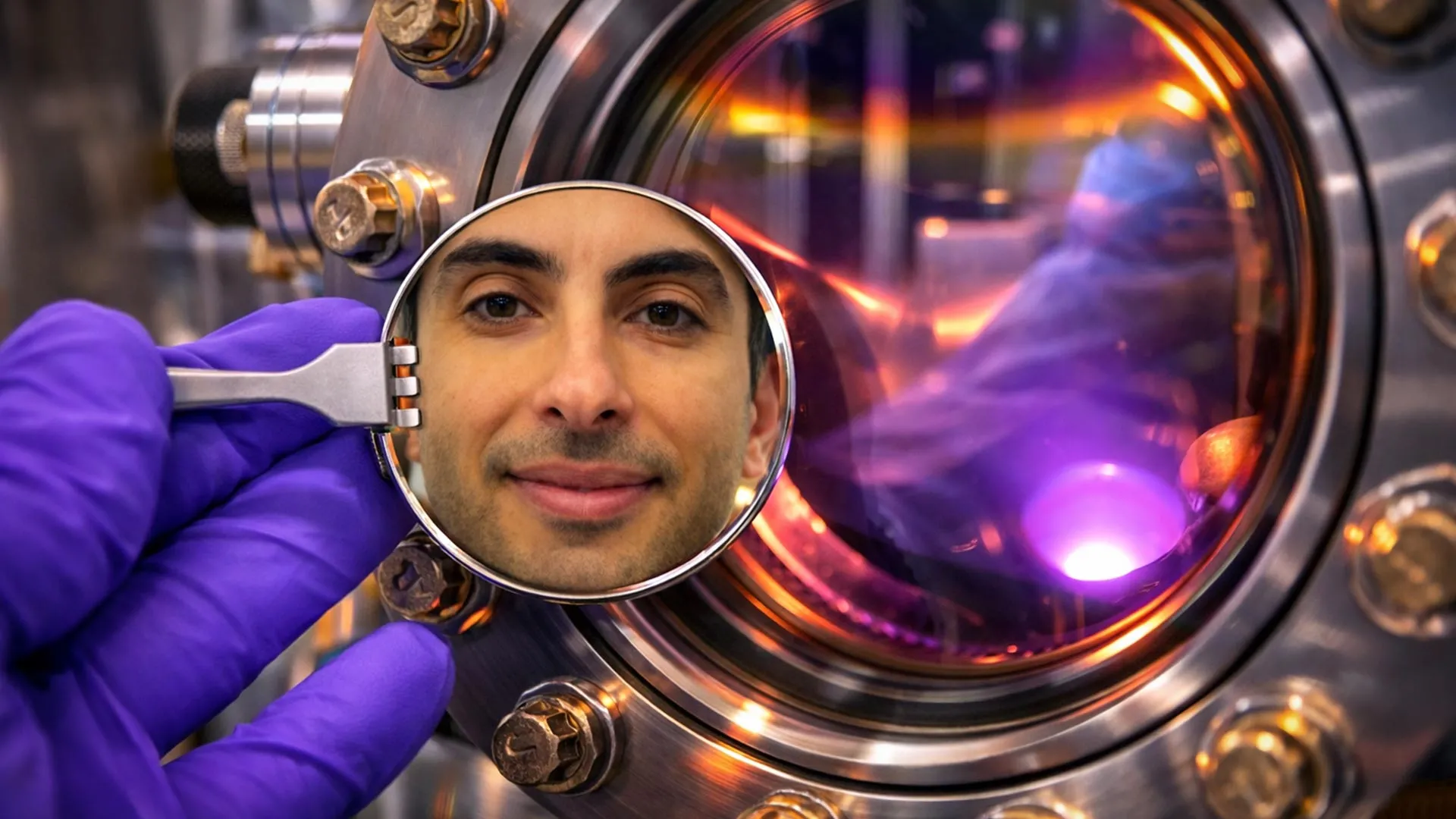
1. Brain-inspired nano-devices cut AI energy by 70%
- Quick Summary: Researchers have developed a new nano-electronic device using modified hafnium oxide. It mimics how neurons process and store information, serving as a breakthrough for brain-inspired computing that could make today’s power-hungry AI systems way more efficient.
- Key Takeaway: It shows the potential to cut energy usage by up to 70% compared to current AI hardware. By implementing memristive properties—where info is processed and stored in the same way as a neuron—this could directly influence next-gen AI chip design.
2. A radical AI approach for 100x energy savings
- Quick Summary: With AI already eating up over 10% of U.S. power, researchers have unveiled a radically efficient approach that slashes energy use by up to 100 times while actually improving accuracy.
- Key Takeaway: Improving energy efficiency 100x while boosting model accuracy is a massive deal. As AI infrastructure power demands skyrocket, this study is being hailed as a core solution for sustainable AI growth.

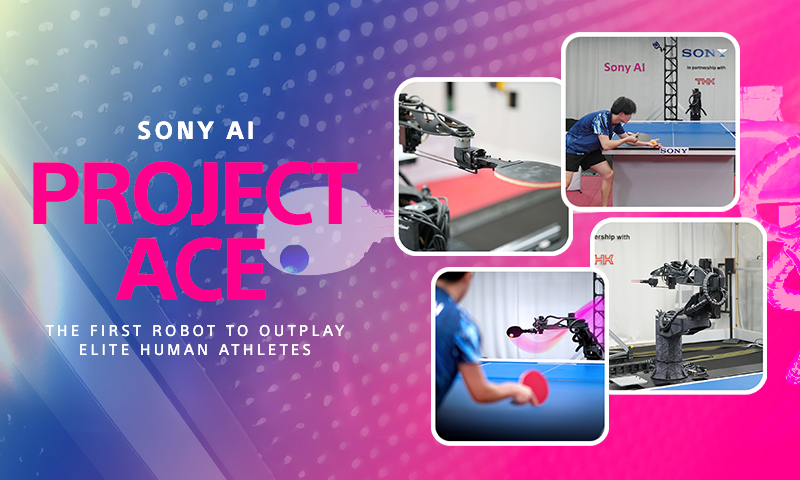
3. Sony AI’s Ace: Autonomous robots outperforming pros
- Quick Summary: In a study published in Nature, Sony AI introduced 'Ace,' an autonomous robot system that can outperform professional athletes. By using advanced sensors and reinforcement learning, it’s set a new milestone for AI in dynamic, real-world environments.
- Key Takeaway: The Nature publication confirms that a reinforcement learning-based robot has surpassed professional human skill levels. Proving it can handle the unpredictable real world has huge implications for everything from sports AI to industrial and medical robotics.
4. DeepSeek drops new flagship model to challenge open-source
- Quick Summary: Chinese startup DeepSeek released a preview of its latest flagship AI model. The company is pitching it as the most powerful open-source platform, aiming to take on heavyweights like OpenAI and Anthropic—a follow-up to the tech that shook Silicon Valley a year ago.
- Key Takeaway: While the market buzz wasn’t as explosive as last year’s breakthrough, it confirms that Chinese firms remain highly competitive in the open-source large language model space.
5. Stanford AI Index 2026: The global trends report
- Quick Summary: The Stanford 2026 AI Index report is out, analyzing how global AI trends are reshuffling compute, energy use, and public trust. It’s been featured as a key insight source by MIT Technology Review and IEEE Spectrum.
- Key Takeaway: The data backs up the reality that AI is moving faster than society can keep up. It includes an analysis on how the "AI hype vs. reality" gap is causing social division, making it a crucial reference for policymakers and researchers alike.
Weekly Research Trend Analysis
-
AI energy efficiency is the #1 topic: The standout trend this week is the rush to fix AI’s massive energy consumption. With different approaches like brain-mimicking nano-devices (70% savings) and high-efficiency algorithms (100x savings) dropping simultaneously, sustainable AI infrastructure has become the hottest agenda item in both academia and industry.
-
Real-world AI robotics hits pro-human level: With Sony AI’s Ace system landing in Nature, we’ve officially crossed the threshold where reinforcement learning robots outperform experts in dynamic environments. Moving beyond the lab is the new benchmark for robotics research.
-
Open-source vs. Closed AI competition heats up: DeepSeek’s new model proves the open-source ecosystem is getting even more cutthroat. The Stanford AI Index 2026 confirms that this geopolitical and technical rivalry is shaping AI governance and public trust, showing a shift from a single-player market to a multipolar competitive landscape.
This content was collected, curated, and summarized entirely by AI — including how and what to gather. It may contain inaccuracies. Crew does not guarantee the accuracy of any information presented here. Always verify facts on your own before acting on them. Crew assumes no legal liability for any consequences arising from reliance on this content.
Powered by
