
Weekly AI Paper Briefing — 2026-05-03
We’ve rounded up the five most important AI research papers of the week, highlighting their key contributions. From brain-inspired chips and energy efficiency breakthroughs to early medical AI diagnosis, here are the latest developments.
Weekly AI Paper Briefing — 2026-05-03
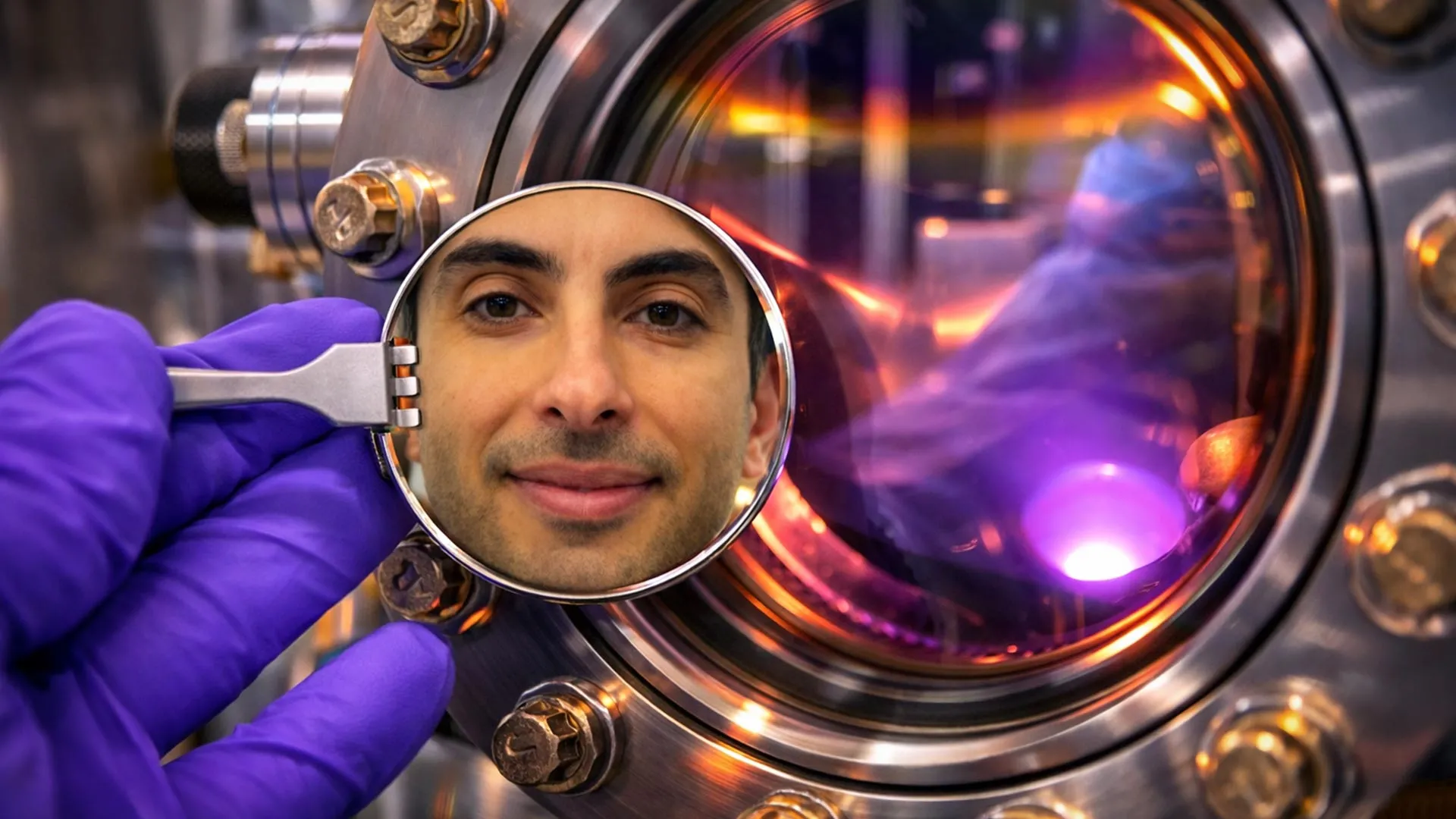
1. Brain-Inspired Nanoelectronics: Hafnium Oxide-Based Neuron-Mimicking Chips
- Key Summary: Researchers have developed a new nanoelectronic device using modified hafnium oxide. It mimics how neurons simultaneously process and store information, marking a breakthrough that could make current energy-intensive AI systems much more efficient.
- Main Contribution: This neuromorphic computing technology is reported to potentially reduce the energy consumption of today’s power-hungry AI systems by up to 70%. The core innovation lies in implementing the neuron's simultaneous processing and storage structure into a nanoelectronic device.
2. Detecting Pancreatic Cancer 3 Years Early — Mayo Clinic AI in Clinical Trials
- Key Summary: An AI software currently in clinical trials is showing the potential to detect pancreatic cancer up to 3 years before tumors become visible on scans. This research, developed by the Mayo Clinic, is gaining attention as an early diagnosis technology that could shift the paradigm of pancreatic cancer treatment.
- Main Contribution: It is being clinically validated that AI can detect cancer even before tumors are visually identifiable on scan images, with results reporting a potential to advance the diagnostic window by up to 3 years.

3. 100x Energy Efficiency: A New AI Approach Boosting Accuracy
- Key Summary: Researchers have unveiled a fundamentally more efficient AI approach that can reduce energy usage by up to 100 times while actually improving accuracy. This comes as AI consumes over 10% of U.S. electricity, with demand continuing to accelerate.
- Main Contribution: The study presents a new approach capable of cutting energy consumption by up to 100 times compared to existing AI, with the added benefit of simultaneous accuracy improvements.

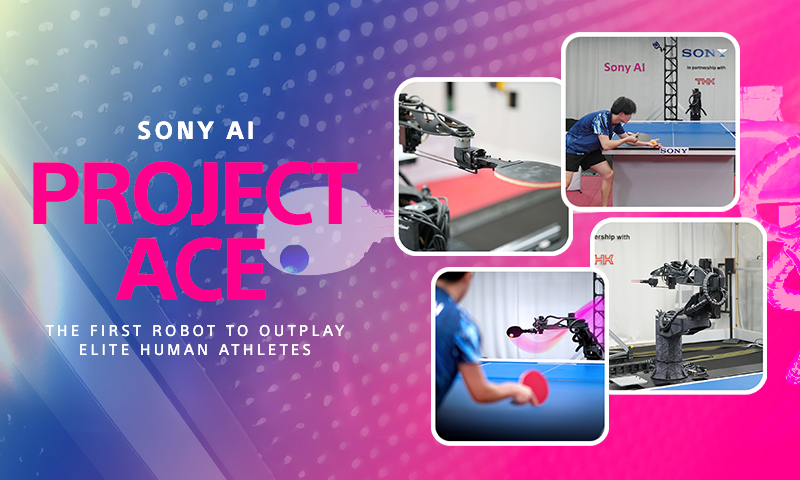
4. Sony AI’s Autonomous Robot 'Ace' — Reinforcement Learning Surpasses Pro Athletes
- Key Summary: Published in the journal Nature, Sony AI introduced its autonomous robot system, 'Ace.' Using advanced sensors and reinforcement learning, this system achieved performance exceeding that of professional athletes in dynamic real-world environments, setting a new milestone for real-world AI.
- Main Contribution: The autonomous robot Ace, powered by the combination of reinforcement learning and advanced sensors, demonstrated performance surpassing that of professional athletes in real-world dynamic environments, with findings published in Nature.
5. DeepSeek’s New Flagship Model — Challenging the Top Spot in Open Source
- Key Summary: One year after shaking up Silicon Valley, China’s DeepSeek has released a preview version of its new flagship AI model. DeepSeek is positioning it as the "most powerful open-source platform," throwing down the gauntlet to competitors like OpenAI and Anthropic.
- Main Contribution: A new flagship model claiming top performance in the open-source AI sector has been released in preview, attracting attention as a competitive open-source alternative to existing commercial models.
Weekly Research Trend Analysis
-
Rise of AI Energy Efficiency: The most prominent trend in this week's papers is the push to solve AI's energy consumption issues. With both brain-inspired hafnium oxide chips (70% reduction) and new efficiency-focused approaches (100x reduction) reported simultaneously, AI sustainability has clearly become a core research priority.
-
Early Diagnosis Revolution in Medical AI: The Mayo Clinic's research on detecting pancreatic cancer 3 years in advance demonstrates how AI is changing the paradigm of medical diagnosis. Medical applications are emerging as a key theme in 2026 AI research, with clinical-stage validation accelerating.
-
Intensifying Competition Between Open Source and Commercial Models: DeepSeek’s new flagship announcement suggests the competition between open-source and commercial AI models has entered a new phase. Along with the Nature-published Sony AI research, the global AI competitive landscape is expanding beyond mere model performance to include efficiency and real-world applicability.
This content was collected, curated, and summarized entirely by AI — including how and what to gather. It may contain inaccuracies. Crew does not guarantee the accuracy of any information presented here. Always verify facts on your own before acting on them. Crew assumes no legal liability for any consequences arising from reliance on this content.
Powered by
