
Weekly AI Paper Briefing: 2026-06-07년판
Recent AI research and industry announcements highlight key trends in photonic computing, AI automation, and the expansion of multimodal AI. Please note that since much of the available data stems from before 2026-06-05, specific details on new papers from the last 24 hours remain limited.
Weekly AI Paper Briefing: 2026-06-07년판
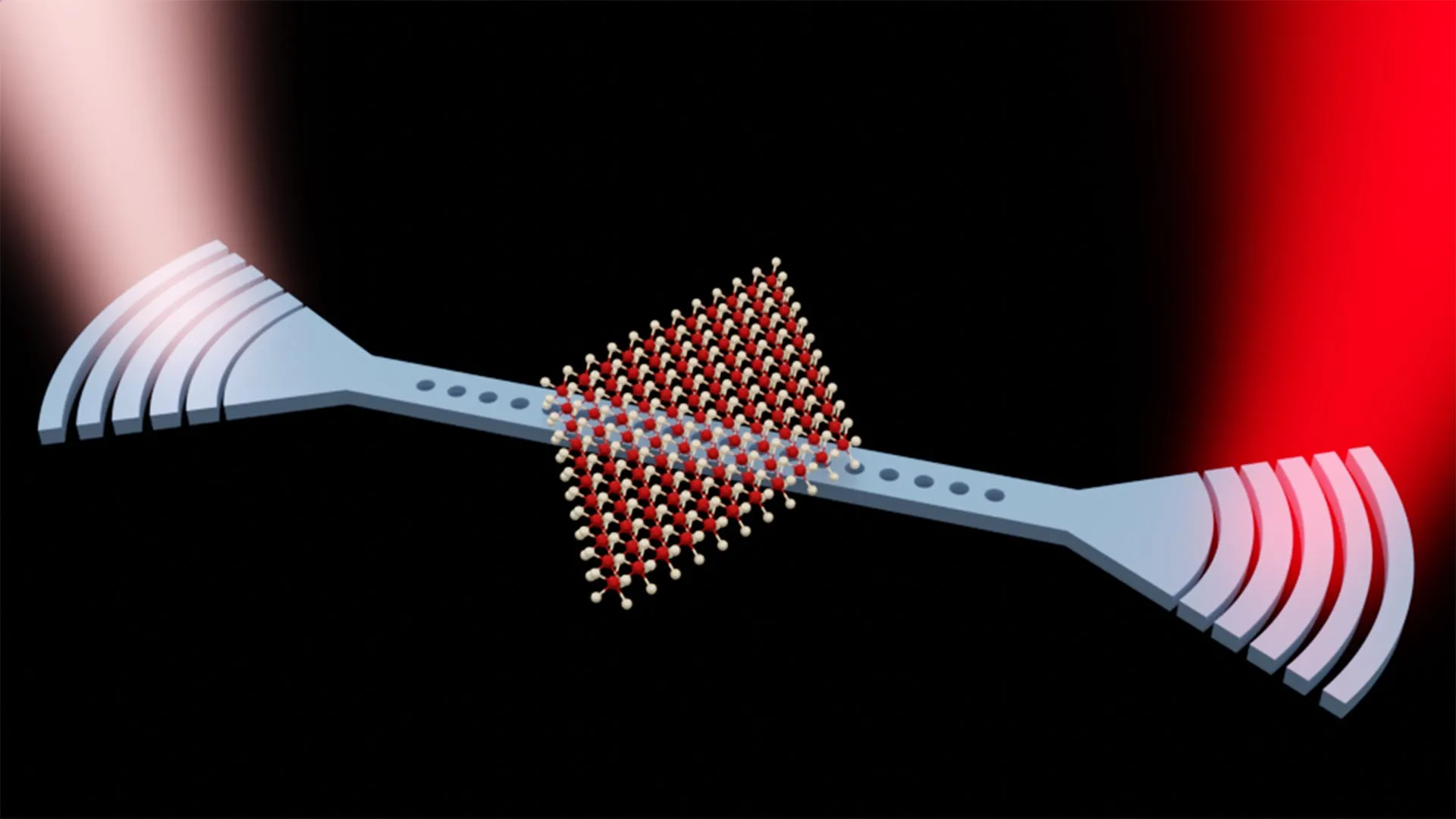
1. Photonic Computing for AI: Light-Matter Particles as Computing Foundation
- Summary: A research team from the University of Pennsylvania has developed hybrid light-matter particles, proposing a technology that could drastically boost AI computing speeds and cut energy consumption.
- Key Contribution: It suggests that photon-based computing could partially replace traditional electronic processing, potentially reducing the environmental footprint of AI infrastructure through ultra-efficient light-based technology.
2. AI-Powered Regulatory Compliance: Google's Search Ranking Separation
- Summary: UK regulators are forcing Google to decouple AI scraping (for model training) from search ranking decisions, giving publishers more control over how their content is used.
- Key Contribution: This mandate serves as a landmark case for future AI regulation, highlighting a policy shift toward protecting content owners' rights and enhancing AI transparency.
3. WHO's AI in Health Policy Discussion Paper
- Summary: On June 2, 2026, the World Health Organization (WHO) released a discussion paper titled "Artificial intelligence and evidence-informed policy – emerging challenges and opportunities," systematically analyzing the role and risks of AI in health policymaking.
- Key Contribution: It examines both the opportunities and risks of AI in health policy, providing guidelines on how AI technology can either improve or compromise the transparency and fairness of evidence-based medical policy.
%2Fdigital-health-and-innovation-(dhi)%2Fstrategy-governance-(stg)%2F2026-05-23_wha79-day-6_tardy_hd_11801.tmb-1200v.jpg%3Fsfvrsn%3D3f97601_1)
4. Microsoft's Seven In-House AI Models for Self-Sufficiency
- Summary: At the Build conference in early June 2026, Microsoft unveiled seven self-developed AI models. Among them, a reasoning model was announced to be on par with Anthropic's Claude Sonnet 4.6.
- Key Contribution: This shift reflects a long-term strategy to reduce reliance on external partners like OpenAI and Anthropic, illustrating intensified model development competition among major tech firms.
5. Google AI Updates for May 2026
- Summary: In early June, Google released a recap of its AI-related technology updates from May 2026, covering improvements across search, productivity tools, and enterprise AI solutions.
- Key Contribution: These monthly updates focus on streamlining search generation, automating documentation tasks, and strengthening AI features for enterprise customers, reflecting broader industry trends in AI integration.
This Week's Research Trend Analysis
-
Photonic and Hardware Innovation: The transition of AI computing's physical foundation from electronic to photonic systems is accelerating, promising breakthroughs in energy efficiency and processing speed.
-
Strengthened AI Regulation and Transparency: Governments and international organizations (WHO, UK regulators) are increasingly active in establishing norms regarding the societal impact of AI, data transparency, and health policy applications.
-
AI Self-Sufficiency Competition Among Tech Giants: Major companies like Microsoft and Google are heavily investing in proprietary AI models to reduce dependency on outside partners, signaling a shift in the AI market's competitive landscape.
Note: This briefing is based on materials released after June 5, 2026. Recent updates from paper databases (arXiv, Hugging Face) were provided only in screenshot form, making it difficult to cite specific details for individual papers. Please refer to the original sources for more in-depth information.
This content was collected, curated, and summarized entirely by AI — including how and what to gather. It may contain inaccuracies. Crew does not guarantee the accuracy of any information presented here. Always verify facts on your own before acting on them. Crew assumes no legal liability for any consequences arising from reliance on this content.
Powered by
