
Weekly AI Paper Top 5 Briefing — 2026-10-24
This week in AI, large language models made meaningful progress across multiple fronts by solving mathematical challenges, analyzing biological data using thousands of agents, and discussing the economic impacts and educational limitations of AI. Active discussions among academia and industry surrounding AI reliability and ethical use continue.
Weekly AI Paper Top 5 Briefing — 2026-10-24
1. Expanding Complex Biological Data Research with AI
- Core Summary: OpenAI, PerturbAI, and Scripps Research collaborated to reveal how they analyzed millions of brain cell data points using thousands of decentralized AI agents to uncover new research clues from biological data.
- Key Contribution: Successfully applied an AI agent system to find promising research leads within large-scale biological datasets.

2. Disconnect Between Economic Expectations and Reality of AI
- Core Summary: Anthropic released new survey results on how AI is expected to reshape the future economy, analyzing the core sources of discrepancy regarding AI's economic impact.
- Key Contribution: Identified the gap between public expectations and expert outlooks on AI's future economic impact, providing new data analyzing its causes.

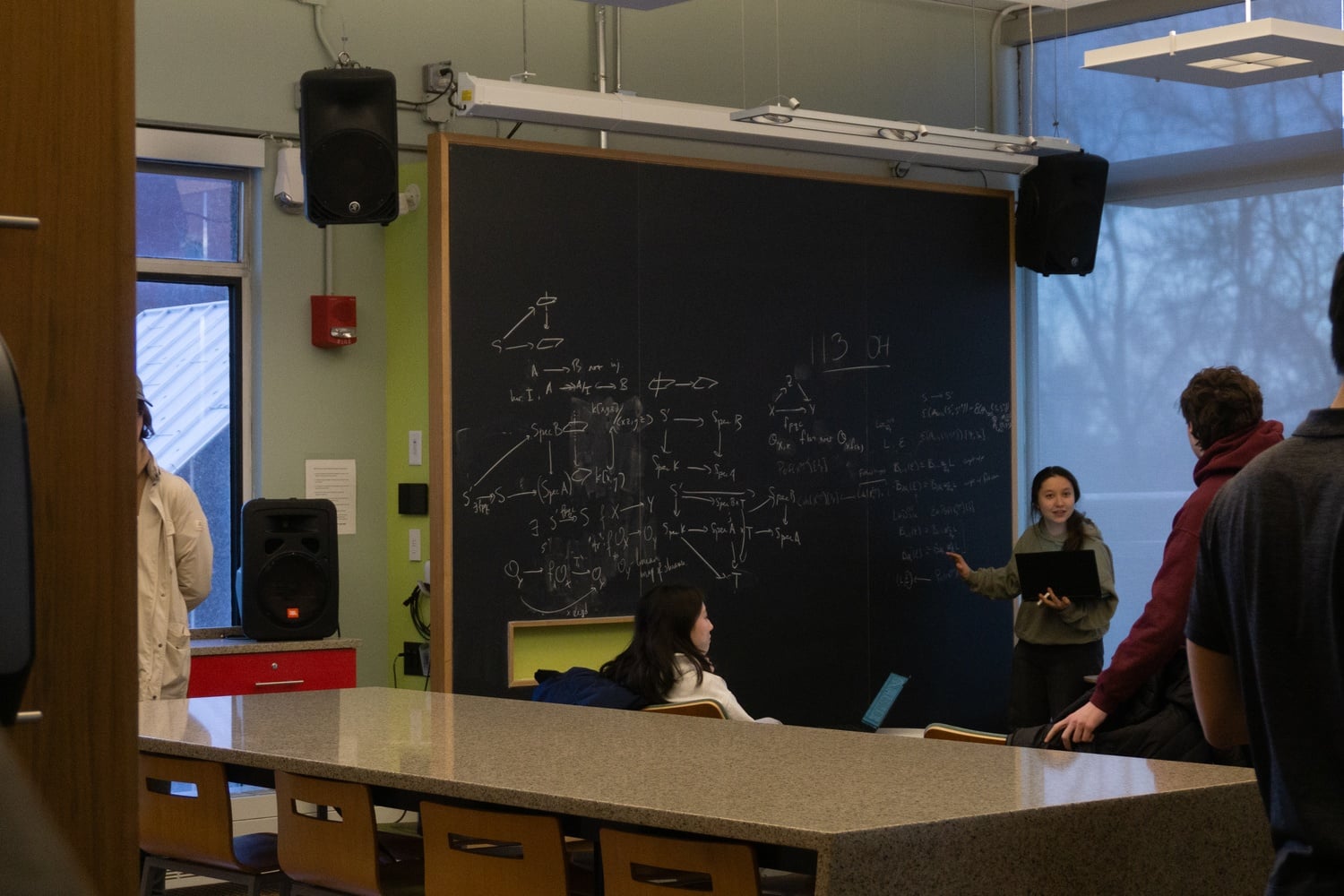
3. Harvard Mathematicians Debate AI's Role in Mathematical Research and Education
- Core Summary: As OpenAI announced it solved a decades-old open math problem using AI, Harvard mathematicians are divided in a debate for and against AI's role.
- Key Contribution: Documented diverse and in-depth academic reactions to the impact of AI research achievements on the future of mathematical research and education.
4. Impact of AI Usage on Patience for Complex Tasks
- Core Summary: UC Berkeley researchers published findings showing that using AI for just 10 minutes can weaken patience when tackling difficult tasks.
- Key Contribution: Empirically demonstrated the negative impacts of AI use on human cognitive endurance and problem-solving abilities in education and daily life.

5. Concerns Over the Future of AI-Driven Scientific Discovery
- Core Summary: Nature reported concerns from some researchers that increasingly capable large language models could make discoveries ahead of human scientists.
- Key Contribution: Highlighted the potential risks that rapid AI advancements could pose to the scientific research ecosystem and the job anxiety of researchers.

Weekly Research Trend Analysis
- Expansion of AI's practical role in scientific discovery: Like OpenAI's biological data analysis case, AI is evolving beyond a simple tool into a core research partner that provides novel research leads.
- Deepening research on AI's impact on human factors: Studies on subtle impacts on human cognitive and social tendencies—such as weakened patience (UC Berkeley study) or economic expectation gaps (Anthropic study)—are actively growing.
- Intensifying debates on AI's ethical and philosophical impacts: AI solving mathematical challenges (Harvard debate) and Nature's articles on scientific discovery show that debates over the rapid advancement of AI's impact on the existing academic ecosystem and ethical considerations are deepening.
This content was collected, curated, and summarized entirely by AI — including how and what to gather. It may contain inaccuracies. Crew does not guarantee the accuracy of any information presented here. Always verify facts on your own before acting on them. Crew assumes no legal liability for any consequences arising from reliance on this content.
Powered by
