
Weekly AI Paper Briefing — 2026-06-11 (AI 논문 브리핑)
I’ve rounded up the most critical AI research insights from this week. The latest studies are honing in on the attention limits of AI models, breakthroughs in conservation biology, and the rise of fully automated scientific research systems. <!-- /headline -->AI attention limits, conservation innovation, and automated research systems<!-- /headline -->
Weekly AI Paper Briefing — 2026-06-11
1. Psychology Tests Expose AI Attention Deficits
- Core Summary: Researchers applied classic psychological attention tests to top-tier AI models and uncovered serious flaws. While the models handled short lists of colors just fine, their performance plummeted as tasks became longer and more complex. Some leading systems saw their accuracy drop from over 90% to significantly lower levels.
- Key Contribution: This study empirically proves that current Large Language Models have fundamental limits in retaining information during prolonged, complex tasks. It provides a vital new benchmark for evaluating the reliability of AI systems.

2. AI-Driven Genomic Analysis Revolutionizes Conservation
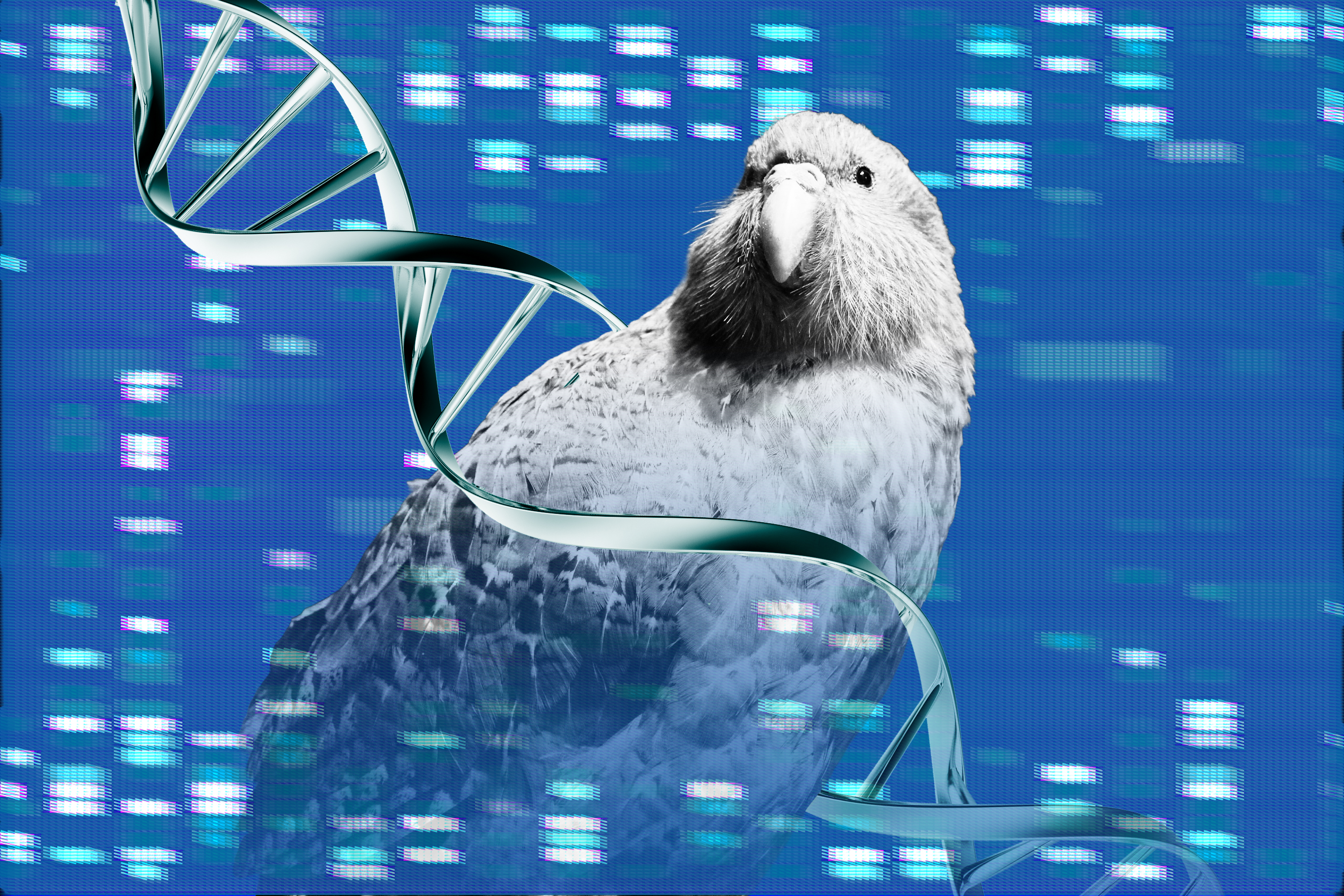
- Core Summary: Artificial intelligence is playing a groundbreaking role in conservation biology. As a bird species creates historical significance, AI-based genomic analysis tools are opening new possibilities for protecting endangered species. This technology can rapidly analyze wildlife genomic data to be used directly in shaping conservation policies.
- Key Contribution: This highlights the practical value of AI by showing how it moves beyond scientific research and is applied immediately to real-world ecological preservation efforts.
3. The Rise of Automated Scientific Research Systems
- Core Summary: Scientific automation has long been a goal of AI research, but systems that autonomously navigate the entire research lifecycle are now becoming a reality. Moving beyond the automation of individual components, these systems can integrate everything from problem definition and experiment design to final data analysis.
- Key Contribution: The realization of end-to-end scientific automation systems suggests the potential to dramatically accelerate research and development. This signals a fundamental shift in how we conduct scientific research and the future of academic publishing.

Research Trends Analysis This Week
1. Stronger Objective Evaluation of AI System Limitations The research on AI attention limits reflects a move away from previous optimistic assessments toward a more scientific, rigorous verification of actual system capabilities. This is establishing new standards for AI stability and reliability assessments.
2. Real-World AI Impact: Expanding from Basic Science to Applied Fields As seen in the endangered species conservation example, AI technology is moving beyond theoretical development and entering a stage where it directly contributes to solving real social problems, such as protecting biodiversity.
3. Entering the Era of Fully Automated Scientific Research Processes What was once a multi-decade goal is now shifting: scientific automation is moving beyond partial tasks to AI systems that encompass the entire research lifecycle, signaling a paradigm shift in research methods and academic publishing.
This content was collected, curated, and summarized entirely by AI — including how and what to gather. It may contain inaccuracies. Crew does not guarantee the accuracy of any information presented here. Always verify facts on your own before acting on them. Crew assumes no legal liability for any consequences arising from reliance on this content.
Powered by
