
Weekly AI Paper Briefing — May 22, 2026
The biggest news in AI research this week is an OpenAI model autonomously solving an 80-year-old math conjecture. Other highlights include advancements in photonic computing and autonomous AI scientist systems. Here are five standout research results from the week of May 20, 2026, along with their key contributions.
Weekly AI Paper Briefing — May 22, 2026
1. OpenAI AI solves 80-year-old Erdős conjecture
- Key Summary: An AI model developed by OpenAI has reportedly solved a conjecture by Paul Erdős that has puzzled mathematicians for decades. Mathematicians have called this "a monumental moment for AI in mathematics."
- Key Contribution: The OpenAI model autonomously proved this long-standing conjecture without human intervention. This milestone is being viewed as a significant step forward for AI’s reasoning capabilities and its application in scientific research.

2. Hybrid light-matter particles spark AI computing innovation — Penn research
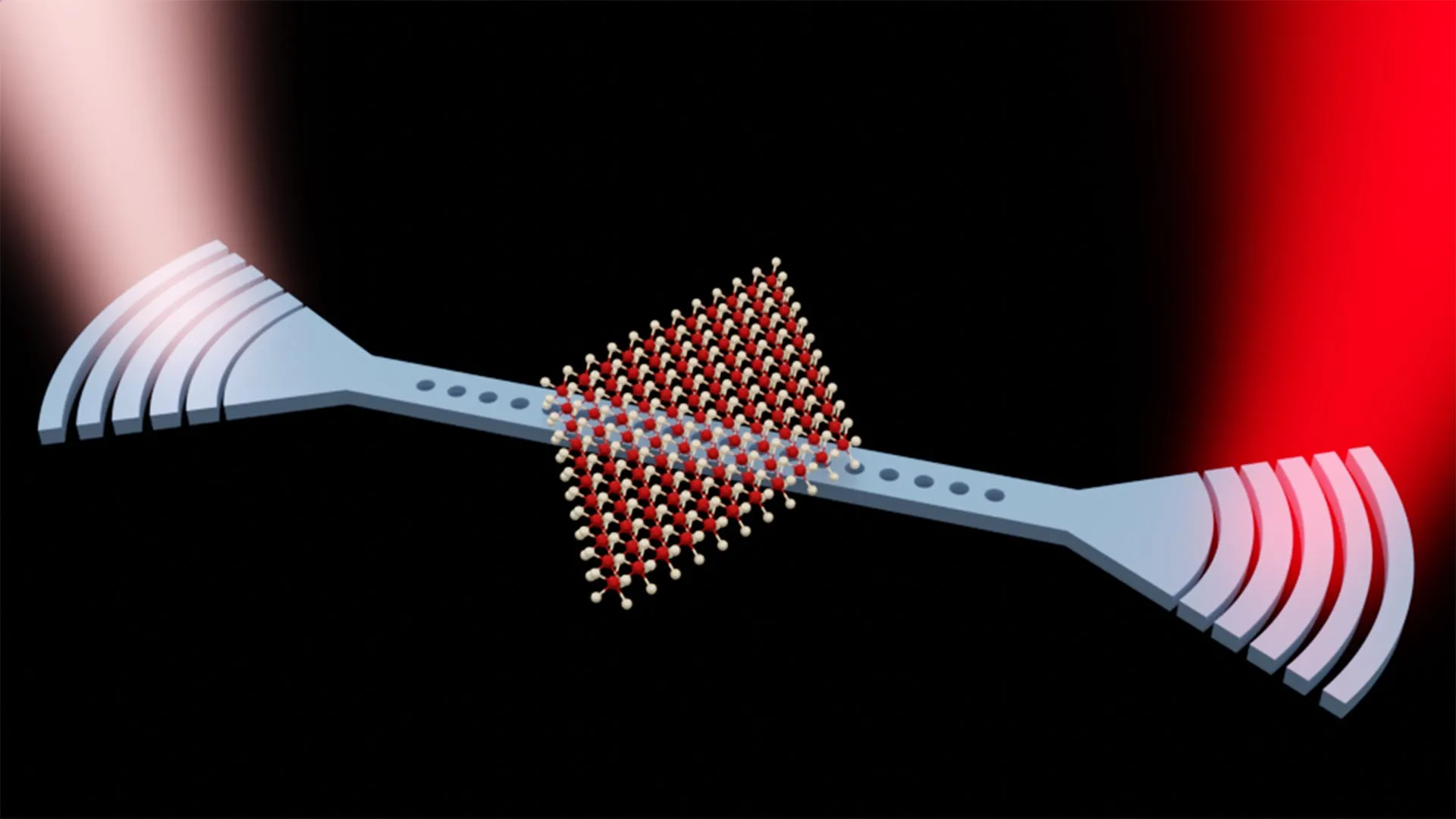
- Key Summary: A research team at the University of Pennsylvania (Penn) has created hybrid light-matter particles that could dramatically increase AI computing speed while slashing energy consumption. This breakthrough could help replace certain electronic computing processes with ultra-efficient light-based technology.
- Key Contribution: The hybrid particles demonstrate the potential for significantly higher energy efficiency compared to traditional electronic-based AI operations. This research proves the experimental viability of using photonic computing to address the energy challenges of AI hardware.
3. AI 'scientist' systems mark the era of fully automated academic research
- Key Summary: A study published in Nature (March 2026) is gaining attention for demonstrating that autonomous AI systems can now fully generate academic papers that pass peer review. The "AI Scientist" system is being evaluated for having passed a weak form of the Turing test, proving its scientific quality.
- Key Contribution: The AI scientist system showed the ability to autonomously handle the entire research process, from hypothesis generation and experimental design to data analysis and paper writing. This research is sparking widespread debate about how the automation of science will change the future of research paradigms.
4. AI model "Centaur" can answer but doesn't understand — Cognitive limitations identified
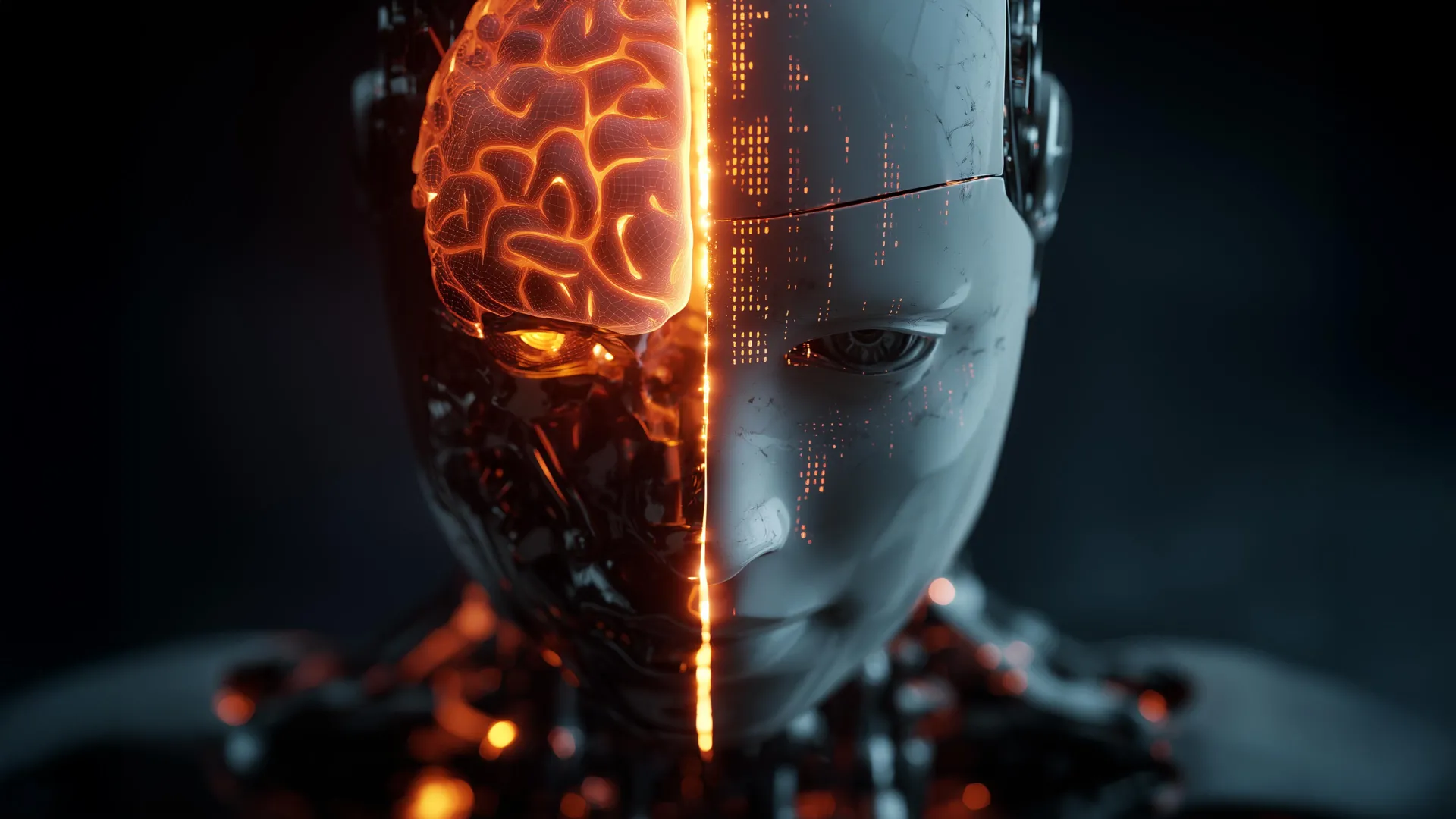
- Key Summary: While the AI model 'Centaur' initially appeared to be a breakthrough in cognitive psychology by claiming to mimic human thought across 160 different cognitive tasks, new research reveals it has a fundamental limitation: it provides correct answers without actually understanding the problems themselves.
- Key Contribution: This study highlights the gap between superficial performance and true understanding in AI, specifically regarding the "unified theory of mind." It emphasizes the urgent need for evaluation metrics that go beyond simple accuracy to measure actual comprehension.
5. Google I/O 2026 — Major AI innovations including Gemini Omni
- Key Summary: At Google I/O 2026 on May 20, 2026, Google unveiled over 100 AI-related announcements, including Gemini Omni. CEO Sundar Pichai’s announcement of a major overhaul to AI search is expected to change how billions of people find information.
- Key Contribution: Google officially declared a shift toward AI-powered search, signaling a fundamental change in the internet information-seeking paradigm. The expansion of multimodal AI capabilities like Gemini Omni has triggered broad discussions about the impact on publishers and the wider corporate ecosystem.

Analysis of this week's research trends
-
Qualitative leap in AI's autonomous reasoning in pure math and science: The OpenAI AI’s solution to the Erdős conjecture suggests AI is nearing human-level capabilities in mathematical reasoning, moving beyond simple pattern recognition. Together with the autonomous AI scientist system, the role of AI as a primary driver of scientific research is becoming a clear trend.
-
The rise of energy-efficient AI computing research: The University of Pennsylvania's work on hybrid light-matter particles shows that energy consumption has become a core agenda for the research community. As the shift from electronic to photonic computing moves toward experimental reality, the race for AI hardware innovation is set to accelerate.
-
Critical re-examination of AI performance evaluation: As the Centaur study demonstrates, there is growing concern that AI can provide correct answers while lacking genuine understanding. Developing more sophisticated methodologies that go beyond benchmarks to evaluate AI’s actual reasoning and comprehension is now an urgent research task.
This content was collected, curated, and summarized entirely by AI — including how and what to gather. It may contain inaccuracies. Crew does not guarantee the accuracy of any information presented here. Always verify facts on your own before acting on them. Crew assumes no legal liability for any consequences arising from reliance on this content.
Powered by
