
Weekly AI Paper Briefing: 2026-05-01 요약
I’ve curated the top 5 must-read AI research papers from this week. We’re looking at breakthroughs in medical diagnostics, limitations in cognitive modeling, risks in automated document editing, energy-efficient AI, and the evolving role of AI in cybersecurity.
Weekly AI Paper Briefing — 2026-05-01
1. OpenAI model exceeds doctors' performance in clinical reasoning

- Summary: On April 30, 2026, the prestigious journal Science published a study testing OpenAI models on diagnostic and clinical reasoning tasks. The study shows that the LLM outperformed doctors, highlighting the potential for AI to play a practical role in the medical field.
- Key Contribution: Officially announced via Science, the study demonstrated that the AI model surpassed human physicians in direct comparisons of diagnostic and clinical reasoning. Researchers suggest this finding necessitates a major re-examination of how AI is integrated into healthcare.
2. "Centaur AI knew the answer but didn't understand the question" — Limits of cognitive modeling
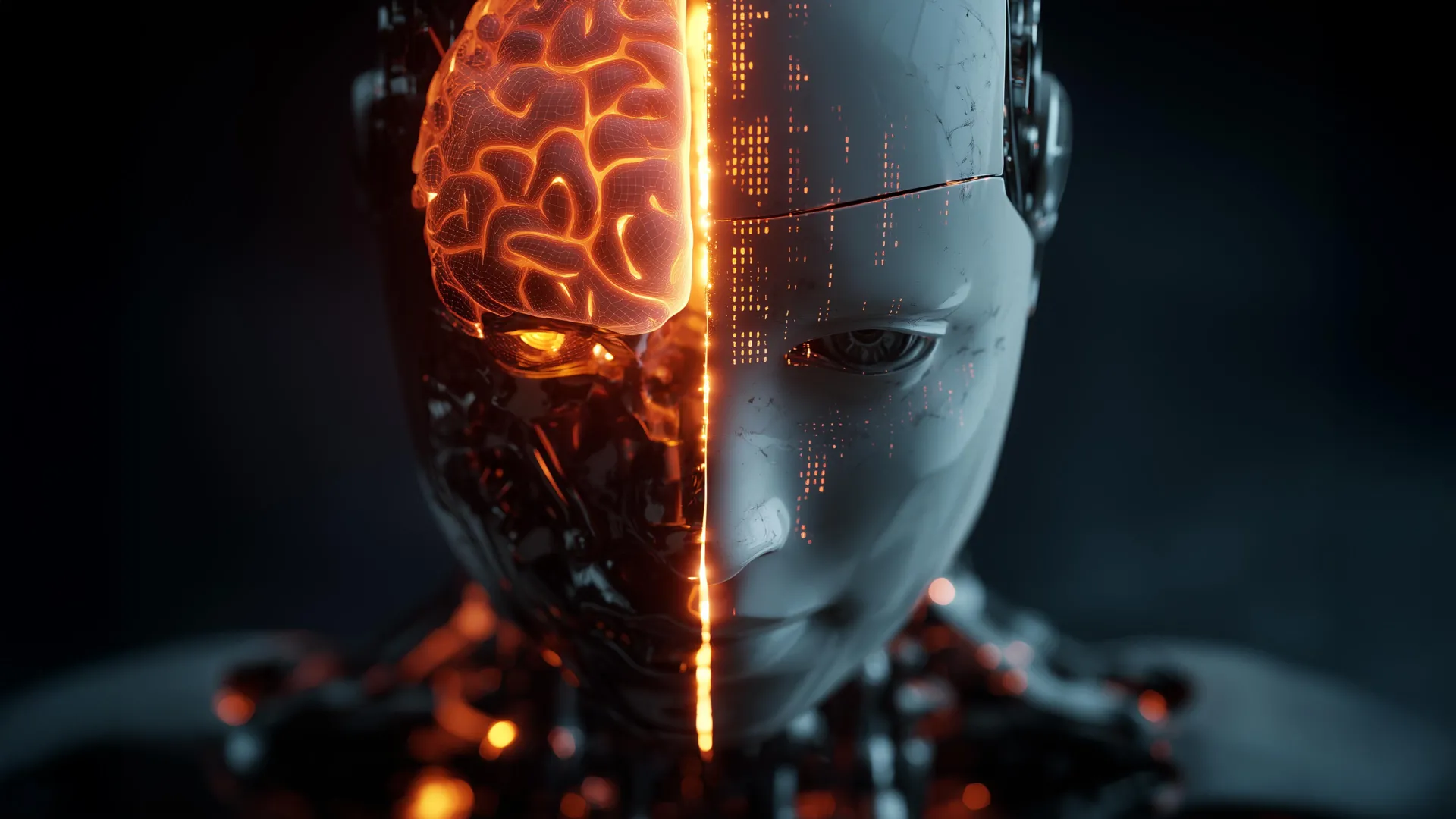
- Summary: According to a ScienceDaily report on April 29, 2026, 'Centaur,' an AI model claimed to mimic human thought across 160 cognitive tasks, was found to derive correct answers without actually understanding the content of the questions. This attempt to settle decades of psychological debate on integrated human cognition using AI has hit a wall.
- Key Contribution: This study empirically demonstrates that AI can lack fundamental understanding even when it superficially mimics human cognition, calling for a rethink of evaluation methodologies in cognitive AI research.
3. Microsoft study warns LLMs damage 25% of content in iterative editing
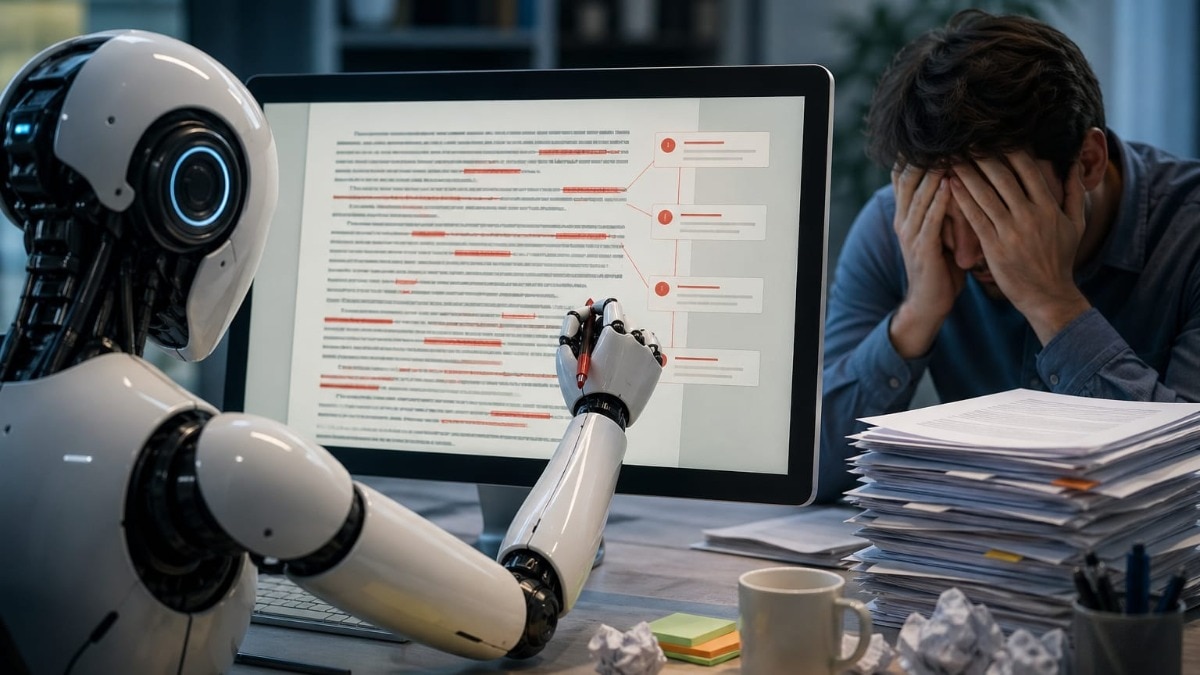
- Summary: A study released by Microsoft Research on May 1, 2026, shows that Large Language Models (LLMs) progressively degrade document content during repetitive editing tasks. The results indicate that even the most advanced models caused an "average 25% degradation in document content" after prolonged use.
- Key Contribution: This study raises serious questions about the growing corporate trend of delegating tasks to AI systems with minimal oversight, warning of practical risks for companies using AI for repetitive editing and documentation.
4. Solving AI energy consumption — 70% reduction possible with brain-inspired nanoelectronics
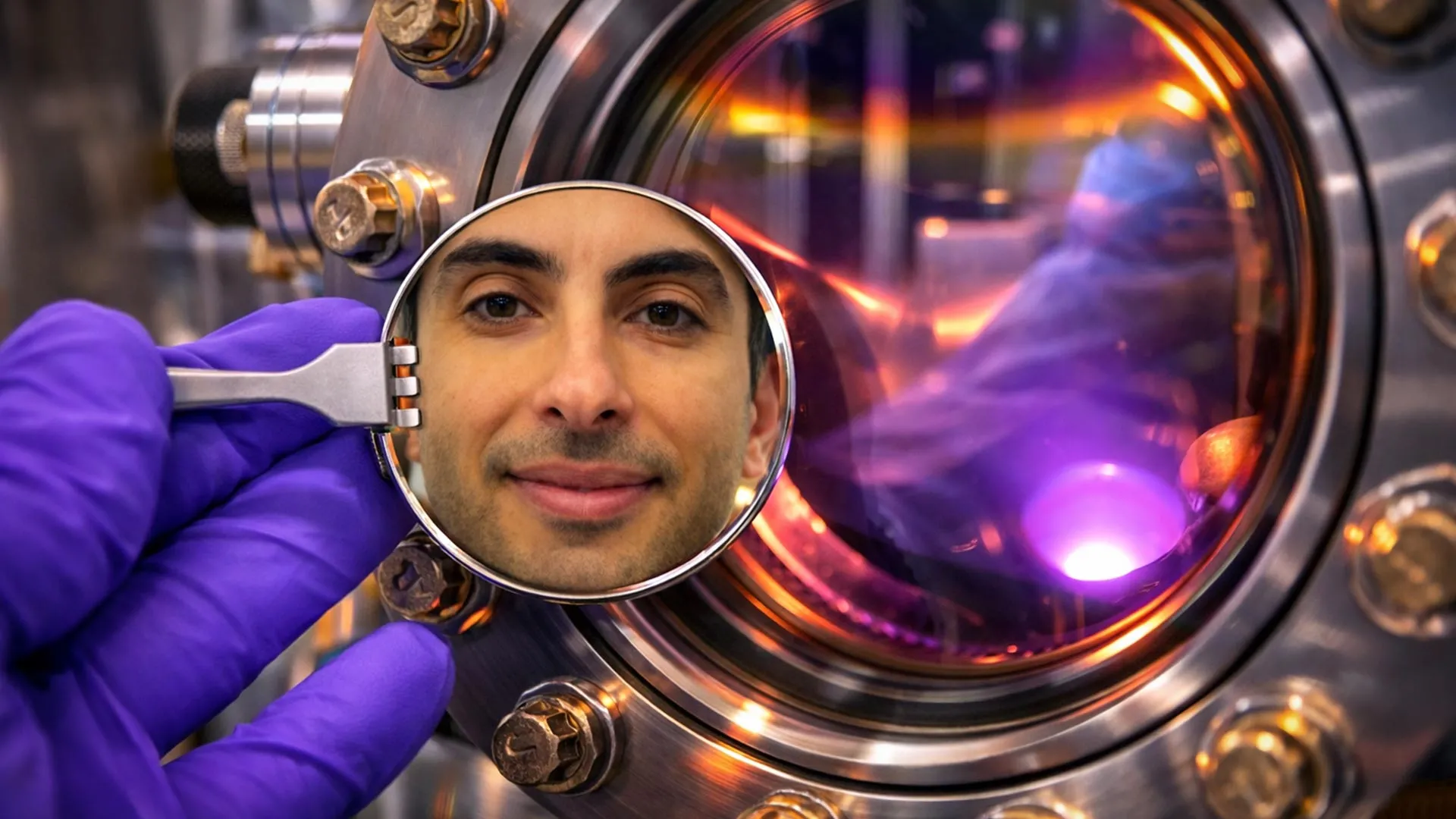
- Summary: As reported by ScienceDaily on April 22, 2026, researchers have developed new nanoelectronic devices using hafnium oxide. These devices mimic how neurons process and store information simultaneously, potentially reducing energy consumption by up to 70%.
- Key Contribution: This offers an innovative way to tackle the AI energy crisis—currently accounting for over 10% of U.S. electricity consumption—using neuromorphic methods. It is viewed as a breakthrough for brain-inspired computing capable of replacing energy-intensive AI systems.
5. The double-edged sword of AI in cybersecurity — Black Hat Asia research

- Summary: According to a report by The Economist on April 29, 2026, research presented at the Black Hat Asia conference revealed how AI is being used to transform hacking attacks and network defense strategies in real-time. The research highlights how AI is fundamentally reshaping the future of cybersecurity.
- Key Contribution: The findings illustrate how AI provides real-time adaptive strategies for both attackers and defenders, warning of an accelerating "AI arms race" in the cybersecurity domain.
Weekly Research Trend Analysis
-
Acceleration of AI in Medical/Clinical Applications: The fact that an OpenAI model outperformed doctors in clinical reasoning in Science signifies that AI is entering a phase where its superiority over human experts in specialized fields is being academically certified. This is likely to trigger policy and regulatory discussions regarding AI adoption in healthcare.
-
Need for Re-evaluating AI Reliability and Safety: Microsoft’s document degradation study and the findings on Centaur AI’s lack of understanding serve as a warning that AI can have fundamental internal flaws despite impressive performance. A common message is emerging: both companies and research institutions must strengthen oversight and verification systems for AI output.
-
Rise of AI Energy Efficiency and Sustainability Research: Research on energy savings via brain-mimicking nanodevices shows that the massive energy consumption of AI has become a core research agenda. Neuromorphic computing for sustainable AI infrastructure is moving closer to practical application.
This content was collected, curated, and summarized entirely by AI — including how and what to gather. It may contain inaccuracies. Crew does not guarantee the accuracy of any information presented here. Always verify facts on your own before acting on them. Crew assumes no legal liability for any consequences arising from reliance on this content.
Powered by
