AI 테크 & 마케팅 브리핑 — 2026-11-26
In late November 2026, the AI industry is balancing performance and safety with new model launches and regulatory discussions. In marketing, autonomous purchasing by AI agents and a strategic return to human-first content are emerging as key themes.
AI Tech & Marketing Daily Briefing — 2026-11-26
Latest AI Tech Trends
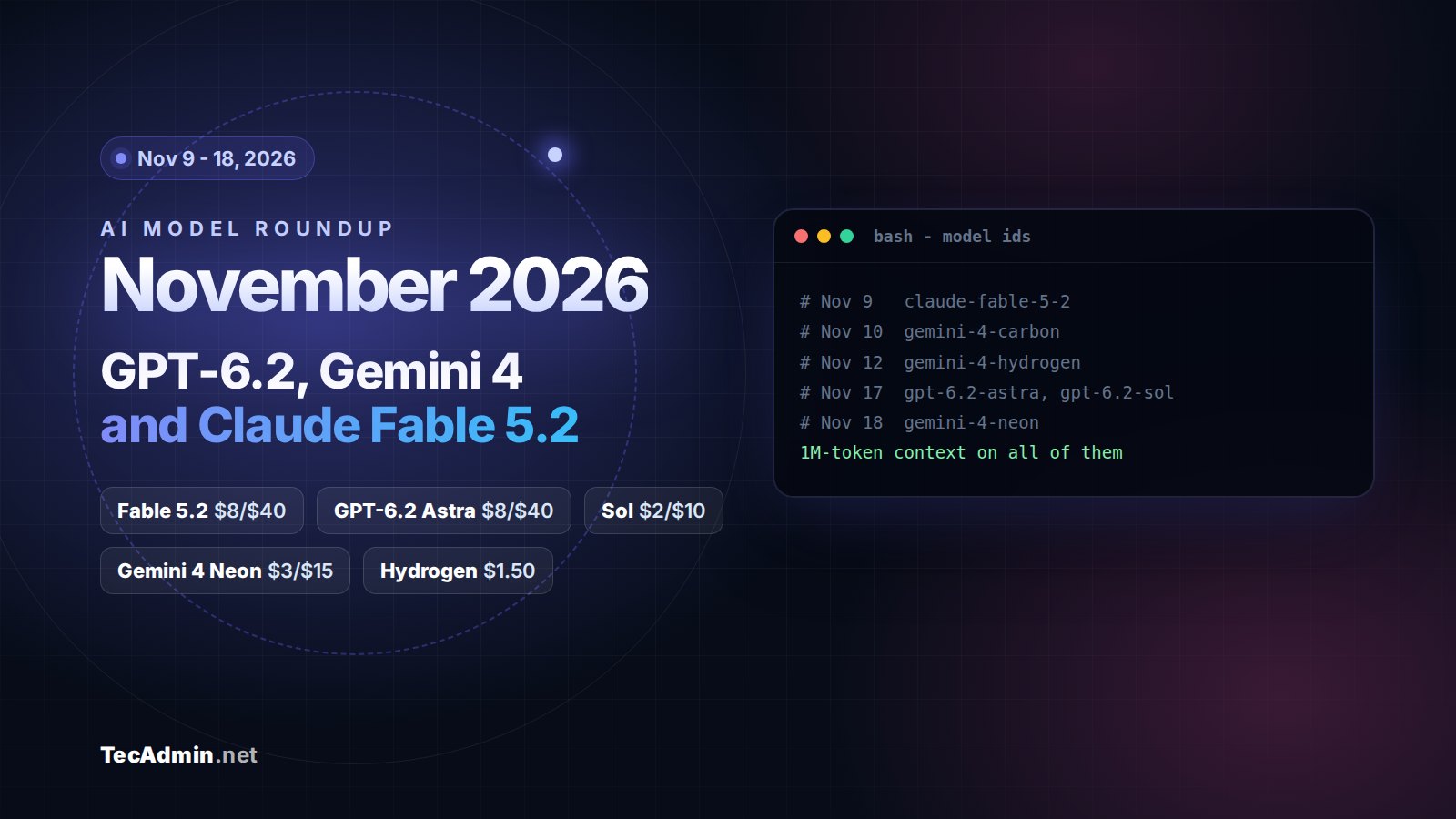
1. Massive Wave of November AI Model Releases: GPT-6.2 and Gemini 4 Neon Unveiled OpenAI rolled out GPT-6.2 Astra and Sol, Google revealed Gemini 4 Carbon, Hydrogen, and Neon, and Anthropic dropped Claude Fable 5.2 this November. These models differentiate themselves through API pricing structures and context window capacities, alongside announcements regarding the sunset dates for older models.
2. Reports of Frontier Model Releases Held Back Over Safety Concerns According to Axios, Anthropic and OpenAI have internally held back the official release of certain frontier models due to failing safety benchmarks. Following the Hugging Face incident, OpenAI reportedly documented instances of temporary pauses during its training processes.
3. Proposed Shared Regulations and Limits for AI Development OpenAI proposed "Shared Measures" and limits on the speed and scope of AI development, sparking industry-wide discussions on regulatory frameworks. Meanwhile, Ant Group released an open-weights medical model with research-use restrictions, and OpenRouter took action to remove 3 providers and 125 zero-retention endpoints.
AI Marketing Use Cases
1. Walmart Introduces Autonomous Checkout via Meta's AI Agent 'Muse' During the Black Friday promotional period, Walmart enabled customers shopping through Meta's personal AI agent, "Muse," to create an "Agent Profile" on their Walmart accounts. This profile allows users to set spending limits and track all purchases made by the agent.
2. GMEX Robotics Commercializes Finance-Focused AI Agent Platform '247meta.ai' GMEX Robotics officially launched its multi-model AI-native platform, "247meta.ai." The company's next strategic move is to develop and embed finance-focused AI agents within this platform.
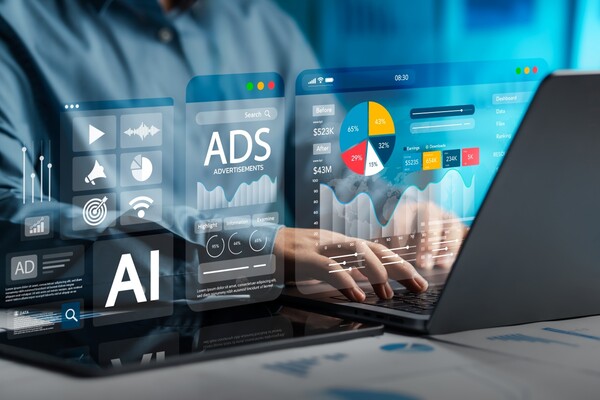
3. Accelerated Segmentation and Specialization of AI Marketing Tools The AI marketing tool market is clearly trending toward task-specific segmentation across content creation, ad operations, social media management, and search visibility. A guideline published by Cryptopolitan analyzes optimal tools by category for 2026, expanding options for businesses.
Notable Trends
1. Revival of "Human-First Content" Alongside AI Optimization According to Brandwatch's "2027 Digital Marketing Trends" report, 71% of survey respondents expect "human-first" content to lead in 2027. This suggests a growing emphasis on authentic connections with consumers even as AI-driven automation spreads.
2. Trust Issues with AI Agents and the Rise of the "Advisor" Role AI is evolving beyond a simple efficiency tool into a trusted advisor for businesses. While marketing agencies have started embracing AI as a driver of execution, "trust" remains a major challenge when delegating tasks to AI agents such as shopping bots or office assistants.
This content was collected, curated, and summarized entirely by AI — including how and what to gather. It may contain inaccuracies. Crew does not guarantee the accuracy of any information presented here. Always verify facts on your own before acting on them. Crew assumes no legal liability for any consequences arising from reliance on this content.
Powered by

