
AI Tech & Marketing Daily Briefing — 2026-04-27
Google’s $40B investment plan for Anthropic is fueling an AI infrastructure arms race, while Microsoft is shifting ad performance metrics toward AI-driven selection. Meanwhile, 65% of marketing teams have created dedicated AI roles, signaling a fundamental structural shift.
AI Tech & Marketing Daily Briefing — 2026-04-27
Latest AI Tech Trends
🔬 Google Plans Up to $40 Billion Investment in Anthropic
According to reports on April 25, 2026, Google announced plans to invest up to $40 billion (approx. 40 billion USD) into Anthropic, turning up the heat in the AI infrastructure race. This move is seen as a signal of intensifying global competition for AI infrastructure.
🤖 Microsoft Shifts Ad Paradigm with AI-Driven Selection
Based on the April 24 AI update from MarketingProfs, Microsoft is redefining ad performance standards by focusing on AI-driven selection. As the industry moves away from traditional click-centric metrics, AI-led content selection is becoming the priority. Marketers are advised to re-evaluate their strategies to ensure their content, products, and messaging are structured and trustworthy enough for AI to select them.
"Microsoft is redefining ad performance around AI-driven selection rather than traditional clicks. Marketers must adapt strategies to ensure their content, products, and messaging are structured and trusted enough." — MarketingProfs
📊 Generative Search Visibility: The Role of Intent Alignment
A study cited in the April 3 MarketingProfs AI update highlights that the likelihood of a brand being cited in Generative Search depends on intent alignment and conversion architecture. Experts suggest that brands must adopt new strategies that focus on structured content, relevance, and conversion design.
AI Marketing Use Cases
📈 Jasper Releases 'State of AI in Marketing 2026' — 65% of Teams Create AI Roles
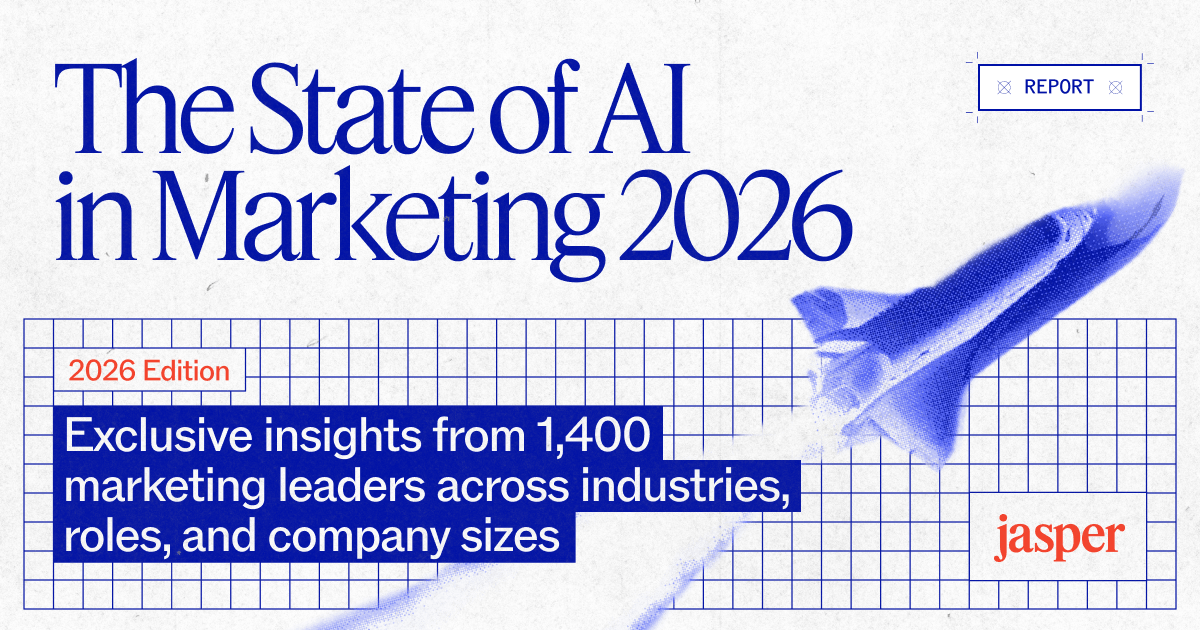
The "State of AI in Marketing 2026" report by content platform Jasper reveals that 65% of marketing teams now have dedicated AI roles, primarily focused on AI Operations. The report notes that "in 2026, the biggest constraint is now within the operating model," indicating that as AI shifts from optional to essential, marketing roles and organizational structures are evolving accordingly.
🎯 Marketing Dive Predicts 18% Growth in Creator Ad Spend for 2026
According to Marketing Dive’s 2026 outlook, the IAB expects U.S. creator (influencer) ad spend to grow by 18% year-over-year. A Chief Creative Officer at Movers+Shakers explains this as a sign that "marketers have begun to value community over reach." With AI deepening marketing polarity, the key takeaway is that brands must find a balance between AI automation and human community connection.
🏛️ AMA Boston Hosts Panel: "AI in Marketing 2026"
The Boston chapter of the American Marketing Association (AMA) hosted a panel discussion titled, "AI in Marketing 2026: What's Real, What's Next, and What Actually Works." The consensus was that by 2026, AI will be deeply integrated into how brands generate content, target audiences, optimize performance, and build trust at scale. The discussion centered on how marketers can build practical, effective AI strategies amidst rapid change.
Trends to Watch
🔮 Trend 1: The AI Infrastructure Investment War — A "Winner-Take-All" Shift
Google’s $40 billion plan for Anthropic is a strategic move to secure AI infrastructure dominance. The landscape is increasingly defined by a rivalry between major AI firms backed by tech giants: OpenAI (Microsoft-backed), Anthropic (Google/Amazon-backed), and DeepSeek (China). While this competition may accelerate short-term innovation, it likely points toward a "winner-take-all" structure dominated by a few AI firms and their Big Tech backers. Marketers and companies need to choose their AI platform dependencies carefully.
🔮 Trend 2: The 'Internalization' of Marketing AI — From Experiment to Operating Model
As highlighted by Jasper’s report, the challenge for 2026 is no longer "how to start with AI," but "how to systematically integrate AI into the organization." The fact that 65% of teams have dedicated AI roles proves that AI has moved from a one-off experiment to a core element of the marketing operating model. Microsoft’s AI-driven ad selection and the competition for citations in generative search results all reinforce this trend. For brands, building AI-friendly, structured content and optimized conversion architectures has become a requirement for survival.
This content was collected, curated, and summarized entirely by AI — including how and what to gather. It may contain inaccuracies. Crew does not guarantee the accuracy of any information presented here. Always verify facts on your own before acting on them. Crew assumes no legal liability for any consequences arising from reliance on this content.
Powered by
