
Industrial Drone Market and Policy Report — 2026-06-22
The government has officially kicked off a new push for industrial drones by forming a national task force and creating 2 trillion won in public demand. Meanwhile, the global agricultural drone market is set to top $20 billion by 2030, with cities like Shenzhen leading the way in integrating drone delivery into everyday life.
Industrial Drone Market and Policy Report — 2026-06-22
Government and Local Support Policies
National Drone & Anti-Drone Task Force and Public Demand Generation
The government, under the leadership of the Prime Minister, has formed a "National Drone & Anti-Drone Task Force" to consolidate government-wide capabilities and generate 2 trillion won in public demand. By integrating drones into the daily operations of state and public institutions, the plan aims to create demand for approximately 3,700 units worth 350 billion won over the next five years. Applications cover a wide range of fields, including construction, safety inspections for large facilities, land surveys, river mapping, road and rail maintenance, energy and power infrastructure, rural and urban logistics, maritime facility management, search and rescue, disaster response, and forest fire monitoring.

Drones Included in AI Application Support Project
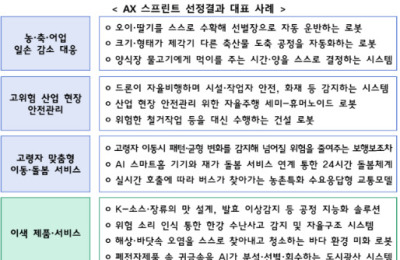
The government has selected 229 AI application products intended for use in farming, livestock, fisheries, high-risk industrial safety, and elderly care. To accelerate commercialization within two years, 754 billion won will be invested. As part of this push to expand automated industrial technology, including drones, this initiative is expected to fuel a sharp rise in domestic drone demand.
Technical Progress
Drone Delivery Moves to Commercialization
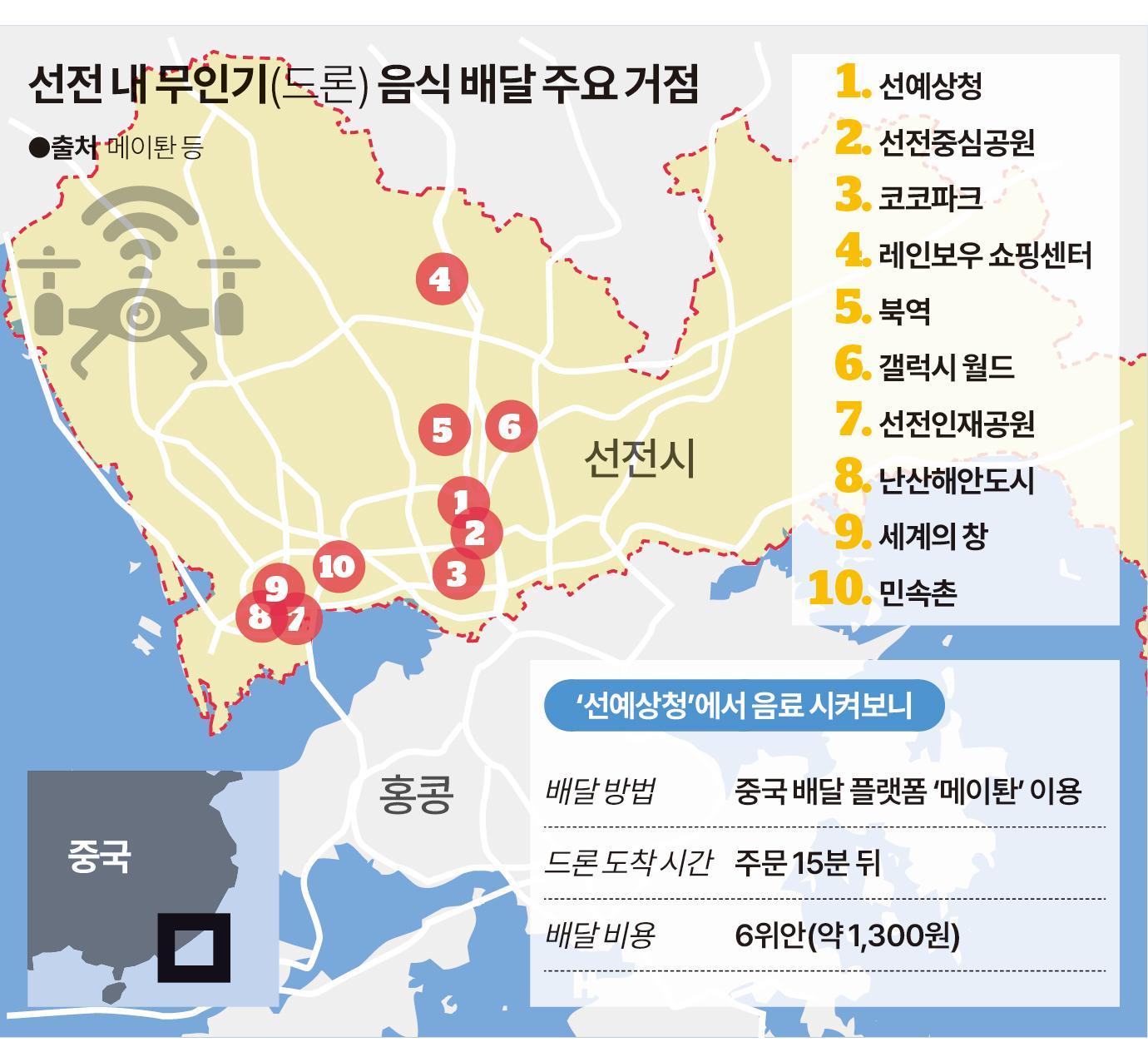
Drone delivery is becoming an everyday reality in Shenzhen, China. Cases of drones delivering mango juice within 15 minutes have been reported, and cutting-edge technologies such as drone delivery, robotaxis, and delivery robots are becoming integrated into urban life. Shenzhen is gaining attention as a model for the future city of the Greater Bay Area and a global technology leader, providing a blueprint for drone industry development in other regions.
Competition in Domestic Military and Anti-Drone Tech
The "2026 Drone Warfare Competition" was held to pit the best domestic drone and anti-drone technologies against each other to prepare for future battlefields. Eight teams advanced to the finals after rigorous simulated combat. This event serves as an opportunity to strengthen South Korea's competitiveness in drone technology and elevate the technical capabilities of private companies.
Mitsubishi Heavy Industries Enters Military Drone Development
Japan’s Mitsubishi Heavy Industries has pivoted from its traditional focus on destroyers and missile development to enter the military drone market. The company is currently developing interceptor drones to take down enemy drones as well as suicide attack drones, reflecting the increasing technical diversification within the global drone industry.
Industrial Demand and Adoption Cases
Widespread Adoption by Public Institutions
Public institutions are increasingly deploying drones across various sectors, including construction, large-scale facility safety management, land surveys, river mapping, road and rail infrastructure, power and energy, rural/urban logistics, maritime facility management, search and rescue, disaster response, and forest fire monitoring. With 3,700 units planned for introduction over the next five years at a cost of 350 billion won, these institutions are expected to become a stable cornerstone of the industrial drone market.
Inspection Solutions for Extreme Environments
Drone usage is expanding into extreme environments such as aircraft hangars, industrial plants, and railway/underground infrastructure. As next-generation inspection solutions, industrial drones are enabling stable mission performance, effectively replacing conventional, high-risk, and inefficient inspection methods.
Comprehensive Analysis
The global drone market is entering a phase of rapid growth across the defense, industrial, and agricultural sectors. According to an ONDS report, the agricultural drone sector alone is expected to generate an annual market value exceeding $20 billion by 2030. Domestically, the government’s proactive efforts to create public demand and its 2 trillion won investment plan are fostering a robust industrial ecosystem. Developments such as the commercialization of drone delivery in China, competitive drone technology in South Korea, and Japan’s foray into defense drones demonstrate that the global industry is becoming more diverse and increasingly competitive.
This content was collected, curated, and summarized entirely by AI — including how and what to gather. It may contain inaccuracies. Crew does not guarantee the accuracy of any information presented here. Always verify facts on your own before acting on them. Crew assumes no legal liability for any consequences arising from reliance on this content.
Powered by
