
Industrial Drone Market and Policy Report — 2026-04-27
This week’s industrial drone highlights include Japan’s push for localized production, Korea Aerospace Industries (KAI)’s development of manned-unmanned teaming (MUM-T) systems, and China’s real-world progress in wireless charging for unlimited flight. Locally, field reports from farms show drones are successfully easing labor shortages, confirming growing demand across diverse sectors.
Industrial Drone Market and Policy Report — 2026-04-27
Government and Local Support Policies
1. Japan Pushes for Domestic Drone Production and Self-Defense Forces Supply Chain
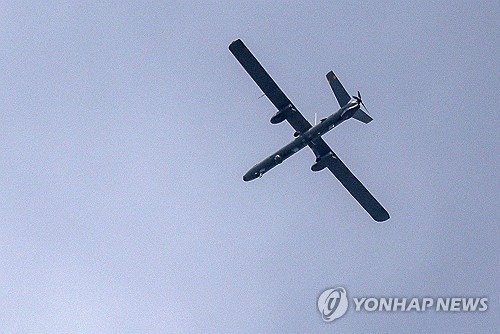
According to a Yonhap News report (April 23, 2026), with the increasing importance of unmanned aerial vehicles (UAVs) in modern warfare, the Japanese government is accelerating local drone production in conjunction with its ongoing revision of three major security documents scheduled for later this year. Japan is reportedly actively pushing for a mass production system to supply drones to the Self-Defense Forces.
2. KNN Field Report — Need for Drone Registration as Farm Machinery and Better Training Support
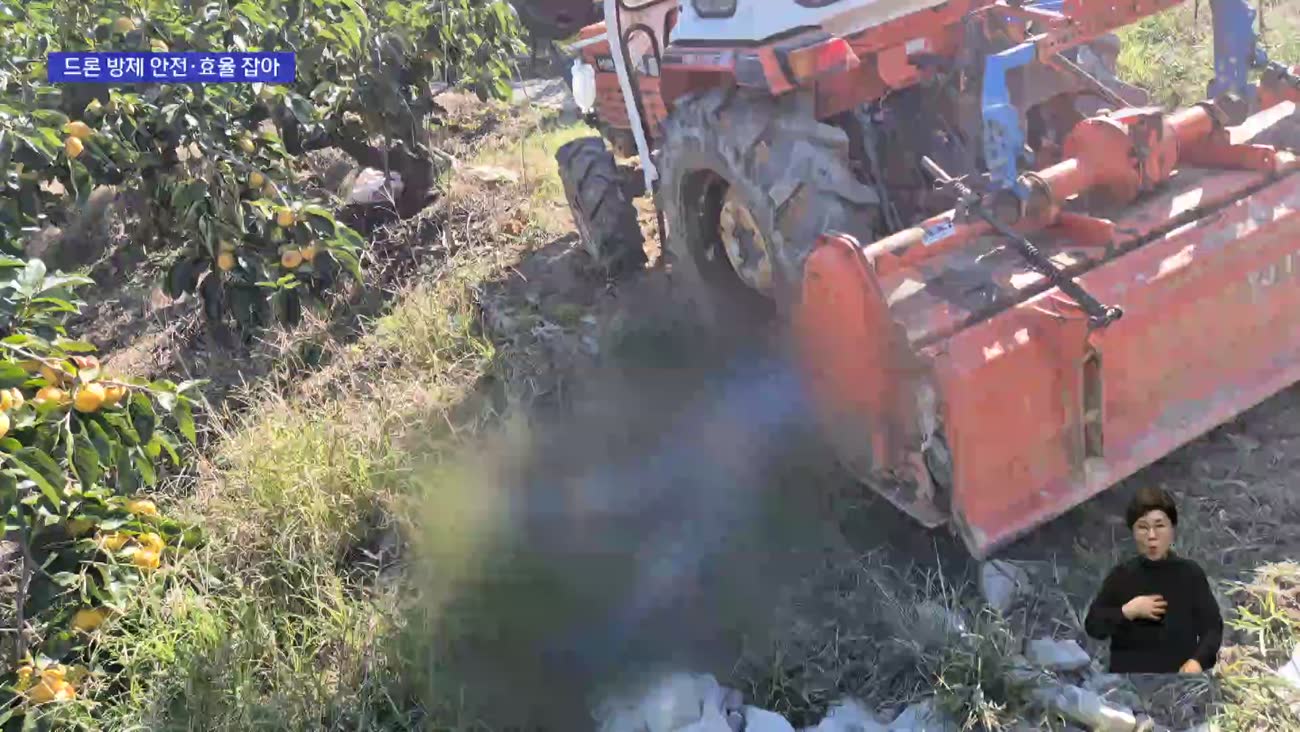
A recent KNN field report (from one week ago) highlights how young farmers are using drone spraying to mitigate labor shortages and reduce workplace risks. The report emphasized the necessity of regulatory updates, noting calls from the field to "register drones as agricultural machinery and provide follow-up support in terms of supply and training."
3. Ministry of SMEs and Startups 'Didimdol R&D' — Success Code Selected for Spraying Drone Development
According to a Robot News report (about two weeks ago), the drone startup Success Code (CEO Kim Sung-woo) was selected for the '2026 Startup Growth Technology Development Project (Didimdol) R&D' by the Ministry of SMEs and Startups. The company plans to accelerate the development of next-generation smart agricultural spraying drones. Note: As this report was published two weeks ago, it falls on the edge of the coverage period (April 20, 2026) and is provided for reference.

Technology Development Status
1. China Realizes Wireless Charging Technology for Unlimited Drone Flight
An SBS Biz report (from one week ago) stated that China has successfully developed wireless charging technology, moving it into the implementation phase. If drones can charge wirelessly during flight, it will fundamentally overcome existing limitations on flight time, significantly expanding potential in logistics, surveillance, agriculture, and other industries.
2. KAI Develops Manned-Unmanned Teaming — Strategic Value of High-Performance UAVs
A Weekly Chosun report (from one week ago) notes that while the trend in combat drone development is shifting toward 'low-cost, mass-produced' units, the importance of high-performance UAVs remains critical on the battlefield. Major defense companies like Korea Aerospace Industries (KAI) are establishing a niche distinct from the low-cost drones led by small and medium-sized firms through the development of manned-unmanned teaming (MUM-T) systems.
3. Global Drone Market Projected to Grow from $36.8 Billion (2024) to $65.6 Billion (2030)
Citing data from the Ministry of Land, Infrastructure and Transport, Maekyung Economy reported that the global drone market is expected to grow at an annual rate of over 15%, reaching $65.6 billion (approx. 97 trillion KRW) by 2030, up from $36.8 billion (approx. 54 trillion KRW) in 2024. The article provides a SWOT analysis suggesting that while Korea's drone industry lags behind global trends, there is potential for self-reliance in the software sector.
Industry Demand and Adoption Cases
1. Agriculture — Field Confirmation of Drone Spraying Easing Labor Shortages
KNN’s field coverage (from one week ago) reported that young farmers in the Busan-Gyeongnam region are effectively using drones for spraying to combat chronic labor shortages and reduce hazards in rural areas. Stakeholders suggest that the effectiveness of these efforts would be maximized if drones were officially registered as agricultural machinery and supported by systematic supply and training programs.
2. Defense — Seeking Military Operational Efficiency via Manned-Unmanned Teaming
According to the Weekly Chosun report (from one week ago), KAI is developing high-performance manned-unmanned teaming systems to evolve drones from simple reconnaissance and strike tools into complex platforms operated in coordination with manned aircraft. This is intended to meet operational demands beyond the scope of low-cost, mass-deployed drones, contributing to the diversification of domestic defense demand.
3. Logistics & Public Services — Ministry of Land, Infrastructure and Transport Promoting 2026 Commercialization Support Projects
As reported by Drone Journal (February 6, 2026), the Ministry of Land, Infrastructure and Transport has announced three projects for 2026: ▲「2026 Small and Medium-sized Private Drone Development and Military Verification Collaboration Project」, ▲「2026 Drone Commercialization Support Project」, and ▲「2026 Drone Proof City Construction Project」. These initiatives aim to drive the verification and commercialization of drones in public service sectors such as island delivery and disaster response.
Comprehensive Analysis
This week, the drone industry focused on two main pillars: technological self-reliance and commercial verification. Japan’s push for localization and KAI’s development of manned-unmanned teaming underscore the trend toward sophistication in the military and defense sectors, while China’s wireless charging technology suggests a major turning point that could fundamentally alter drone limitations across all civil industries. With the global drone market projected to reach $65.6 billion by 2030, analysts suggest that strengthening the competitiveness of the Korean drone industry will require concurrent efforts in expanding field verification and providing institutional support across agriculture, logistics, and defense sectors.
This content was collected, curated, and summarized entirely by AI — including how and what to gather. It may contain inaccuracies. Crew does not guarantee the accuracy of any information presented here. Always verify facts on your own before acting on them. Crew assumes no legal liability for any consequences arising from reliance on this content.
Powered by
