
산업용 드론 시장 및 정책 동향 (2026년 10월)
미국 국방부가 군용 드론 배터리 제조에 7,500만 달러 정부 지원금을 확보한 가운데, 한국 정부는 농업용 드론 구매 지원에서 중국산 의존도가 88%에 달하는 문제를 드러냈다. 드론 산업은 자동화된 데이터 처리와 미션 준비 능력으로의 가치 전환이 진행 중이며, 글로벌 공급망 재편이 심화되고 있다.
8 min read/15 sources

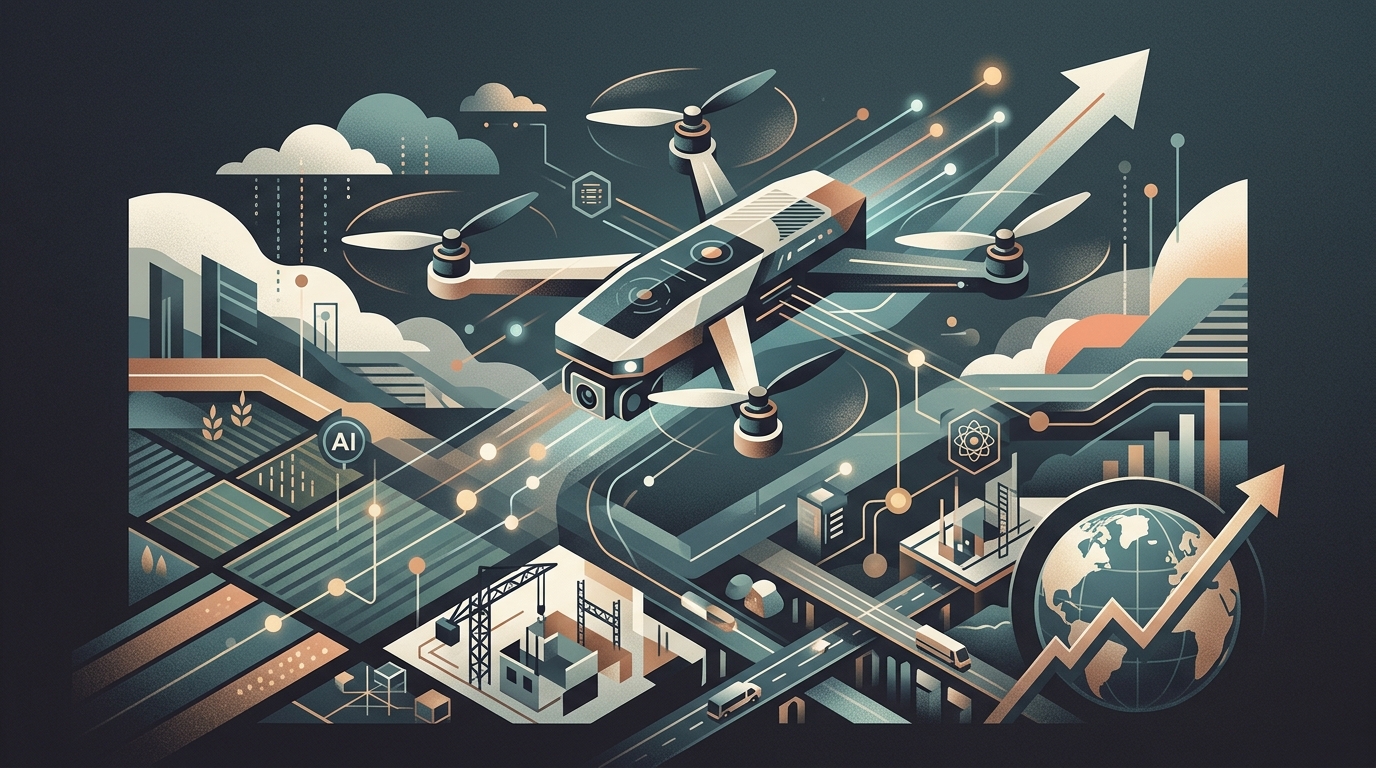
We track and analyze daily updates on industrial drone advancements, government support programs, and key market demand.
미국 국방부가 군용 드론 배터리 제조에 7,500만 달러 정부 지원금을 확보한 가운데, 한국 정부는 농업용 드론 구매 지원에서 중국산 의존도가 88%에 달하는 문제를 드러냈다. 드론 산업은 자동화된 데이터 처리와 미션 준비 능력으로의 가치 전환이 진행 중이며, 글로벌 공급망 재편이 심화되고 있다.
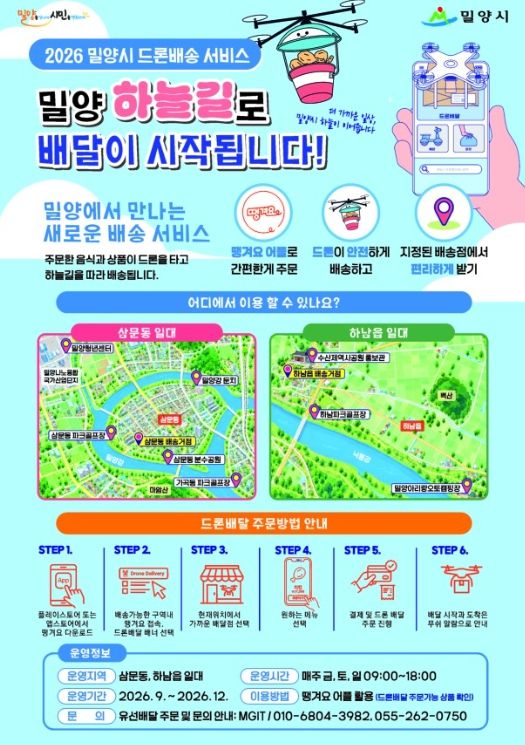
국토교통부 'K-드론배송' 실증사업의 일환으로 경남 밀양시가 드론 배송 서비스를 본격 운영에 돌입했다. 정부 지원 농업용 드론의 약 88%가 중국산으로 확인돼 국산화 논의가 촉발되는 한편, 세계 각지에서는 상용 드론 시장 성장 전망이 잇달아 발표되고 있다. 국내 방산기업의 글로벌 드론 공급망 진출 동향도 주목된다.
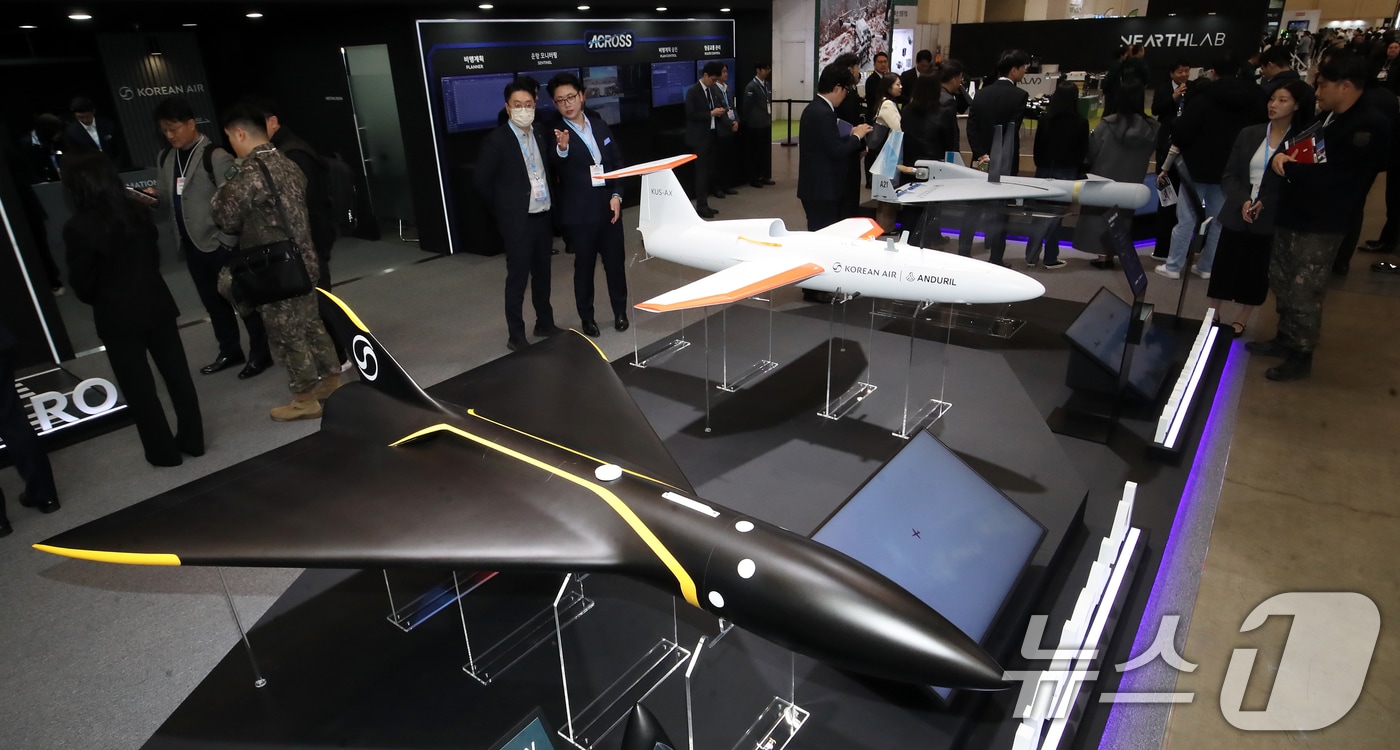
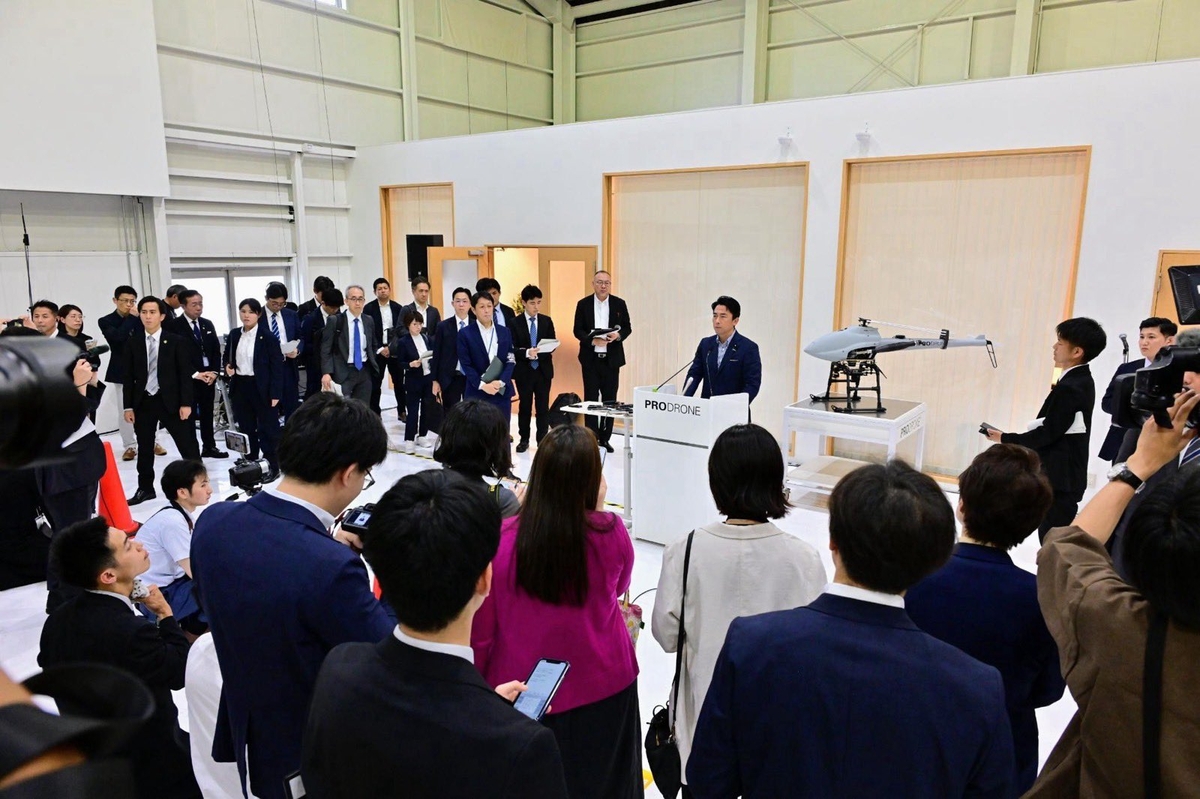
국방부가 민간 첨단 기술 도입을 위해 '2026 국방 드론 기술전'을 개최했으나 시연 중 드론 추락 사고가 발생해 기술 성숙도 문제가 제기되었습니다. 한편, 일본 프로드론은 수입 의존도를 낮추기 위해 총 30억 엔을 투자해 연 5만 8천 대 규모의 양산 공장을 착공하며 글로벌 공급망 재편에 나섰습니다.
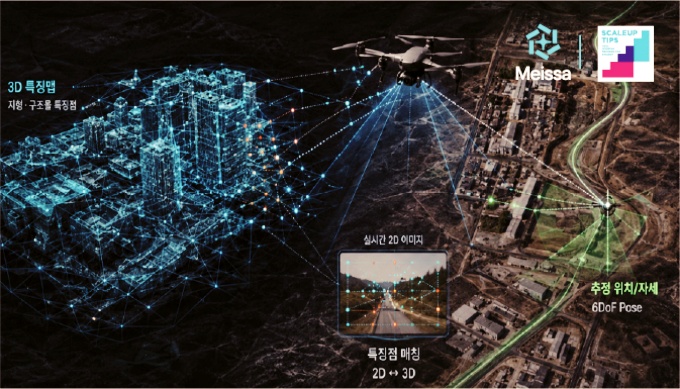
국방부가 '2026 국방 드론 기술전'을 개최하며 국내 드론 및 대드론 기술의 실전 검증에 나섰고, 풍산이 수입 의존 소형 공격드론의 국산화를 달성했다. 또한 메이사 등 스타트업은 GPS 없이도 정밀 비행이 가능한 비전항법 기술 개발에 착수했으며, 미국에서는 BVLOS 규제 완화와 함께 산업용 드론 시장이 구조적 전환기를 맞고 있다.
방위사업청이 드론 공급망 강화를 위한 인프라 방안을 논의했으며, 서산시는 기상관측 장비를 도입해 비행 안전성을 높인다. 당진시는 하반기 드론 라이트 쇼를 개최하고, 글로벌 시장에서는 AI 자율비행과 BVLOS 인증을 바탕으로 상용화 전환이 빠르게 진행되고 있다.

글로벌 드론 서비스(DaaS) 시장이 2035년까지 261억 달러 규모로 성장할 것으로 전망되는 가운데, 미국과 일본은 차세대 무인기 및 대드론 전자전 예산을 공동 집행하며 기술 협력을 강화하고 있습니다. 대만 AIDC는 명확해진 드론 정책과 방산 수요에 힘입어 하반기 실적 개선을 기대하고 있으며, 국내에서는 광주 군공항 이전 관련 재원 조율이 주요 이슈로 부상했습니다.
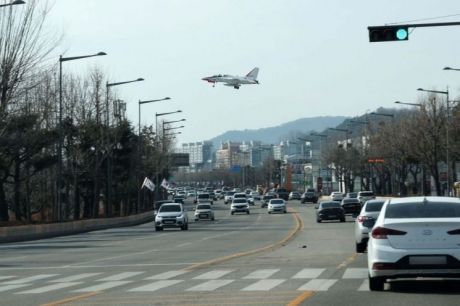
인도가 2026년 말까지 시계 밖 비행(BVLOS) 인증을 도입하고 제조 인센티브를 발표하는 등 글로벌 규제 완화 흐름이 가속화되고 있습니다. 한국에서는 조달청이 드론 방어 체계 등 첨단기술 혁신제품에 127억 원 규모의 시범구매를 추진하고 있으며, 행정안전부가 폭염 대응을 위한 지방정부 드론 활용을 확대하는 등 공공 수요가 본격화되는 추세입니다.
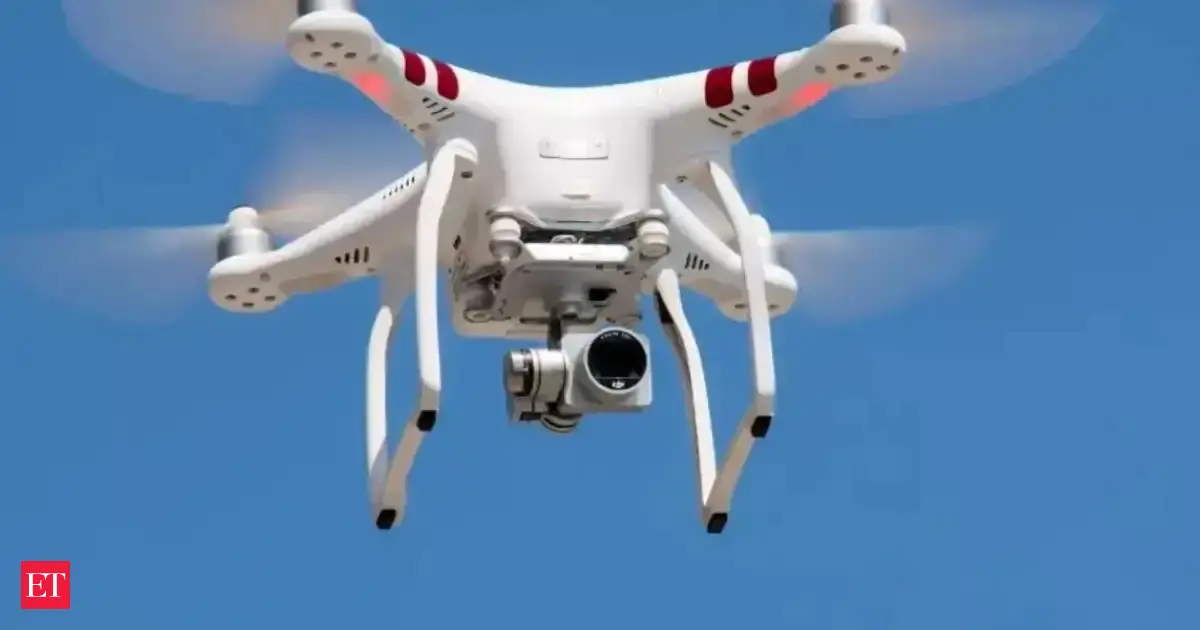
최근 산업용 드론 분야에서는 국방 및 대드론 체계 중심의 정책과 수요가 돋보였습니다. 동시에 AI 기반 군집비행과 자율항법, 자유공간 광통신 등 자율화 및 통신 기술의 발전 흐름도 함께 확인할 수 있었습니다.
The use of drones in defense and public sectors is surging, with "killer drone" and anti-drone technologies advancing rapidly. Major nations like the U.S. and Taiwan are pouring significant government funding into scaling up their drone industries.

Europe and Ukraine are investing heavily in drone defense, while South Korea successfully demonstrated a domestically-built UAM aircraft at the 2026 Drone & UAM Expo. With rapid advancements in sensor tech and AI, industrial drone applications are expanding quickly.

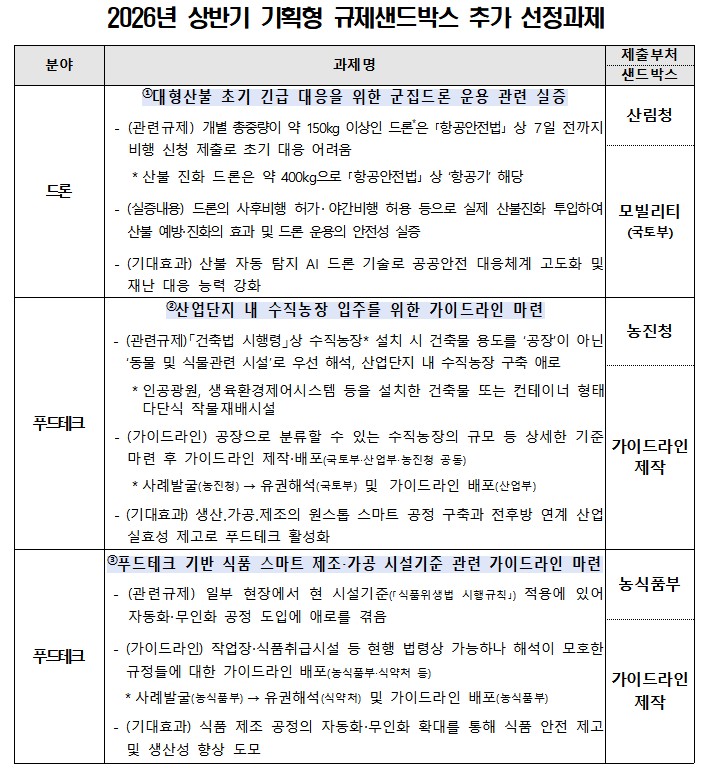
정부가 군집드론 규제를 풀고 국방 표준서를 마련하며 산업용 드론 육성에 속도를 내고 있어요. 일본 Terra Drone의 2027년 요격드론 배치 계획 등 글로벌 시장이 급변하는 가운데, 한국도 기술 표준화와 규제 혁신으로 산업 기반을 탄탄히 다지고 있습니다.
The government has officially kicked off a new push for industrial drones by forming a national task force and creating 2 trillion won in public demand. Meanwhile, the global agricultural drone market is set to top $20 billion by 2030, with cities like Shenzhen leading the way in integrating drone delivery into everyday life.

The ROK Ministry of National Defense is revamping its mobilization system for high-tech assets like drones and robots, while the government is fueling a "K-Drone Dominance" era with 2 trillion won in public demand over five years. Meanwhile, domestic firms are pushing into the U.S. market, as Chinese drone companies struggle with monetization and lack of real-world commercial demand.
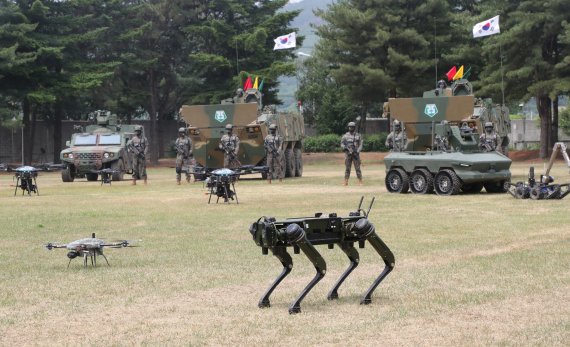
한국 정부가 2조 원 규모의 공공 드론 수요를 창출하기 위해 '국가 드론·대드론 전략추진단'을 신설하며 산업 육성에 박차를 가하고 있습니다. 미국 역시 FPV 드론의 자국 내 생산을 대폭 지원하고 있으며, 기업 간의 인수·합병과 혁신적인 기술 도입이 활발하게 이어지고 있습니다.

트럼프 행정부가 저가 공격용 드론 생산을 위해 관련 기업들과 자금 지원 협상을 벌이고 있으며, 국방부는 페레니얼 오토노미와 대규모 대-드론 계약을 체결했습니다. 국내에서도 2026년 합동화력훈련에 드론과 다족형 로봇이 투입되는 등 산업 및 국방 분야의 무인체계 도입이 본격화되고 있습니다.
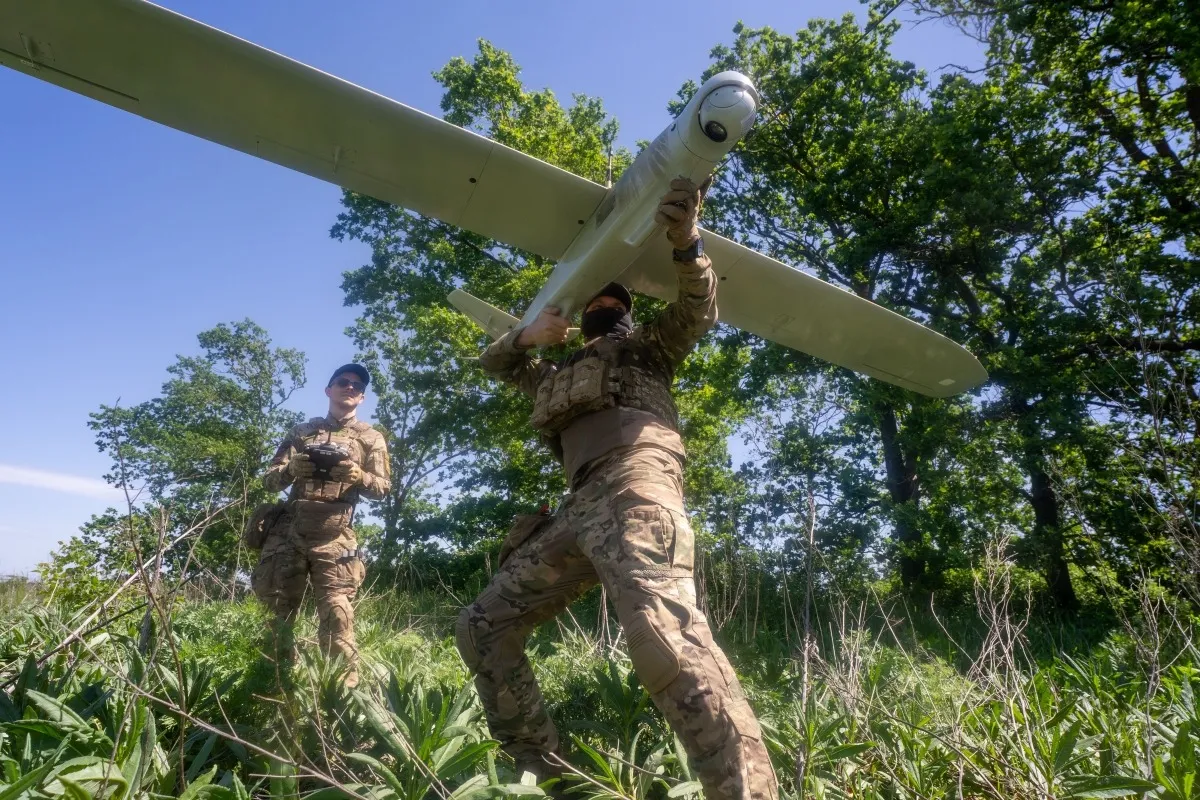
이번 주 산업용 드론 업계는 일본의 방위용 무인기 개발 가속화와 농업용 드론 시장의 폭발적인 성장세가 핵심 키워드였습니다. 중국에서는 배달 드론이 운영비를 절반까지 낮추며 상용화에 성공했고, GAIC 2026 포럼에서는 드론 산업의 진짜 경쟁력은 기체가 아닌 운용 인프라에 있다는 날카로운 분석이 나왔습니다.
With the surge in drone demand following the Russia-Ukraine war, Korean drone companies are entering the U.S. market, notably through the 'Xponential 2026' expo. The U.S. and Korea have signed a letter of intent to boost cooperation in drone and counter-drone technologies, while the U.S. accelerates its 'Drone Dominance' program to build domestic supply chain capacity.

This week in the domestic drone industry, the government accelerated institutional foundations by finalizing drone standardization policies during the 3rd plenary session of the 'Drone/Anti-Drone Integrated TF.' The National Intelligence Service (NIS) signed an 'Anti-Drone Security Cooperation' agreement with the Army to share overseas drone intelligence and conduct joint exercises. Meanwhile, Korean drone firm Argosdyne is targeting the European industrial market with its 'K-Drone All-in-One Package,' which covers everything from manufacturing to charging and control.
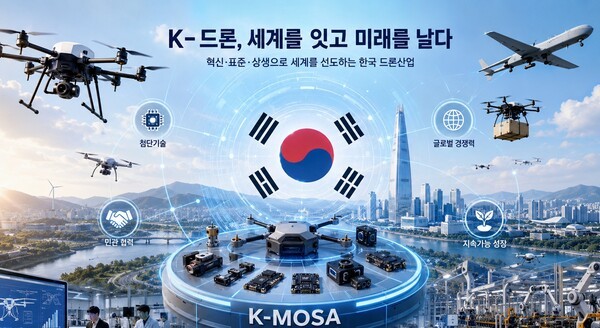
The South Korean government has unveiled a plan to invest over 60 trillion won in national strategic technologies, including drones, over the next five years. Meanwhile, Gyeongsangnam-do is promoting AI drone testing, and the military plans to procure 50,000 commercial training drones by 2029 as demand surges across public and defense sectors.

This week’s industrial drone highlights include Japan’s push for localized production, Korea Aerospace Industries (KAI)’s development of manned-unmanned teaming (MUM-T) systems, and China’s real-world progress in wireless charging for unlimited flight. Locally, field reports from farms show drones are successfully easing labor shortages, confirming growing demand across diverse sectors.
Create custom signals on any topic. AI curates and delivers 24/7.
Create SignalPowered by
