
AI & Frontend Latest Trends — May 4, 2026
The U.S. Department of Defense (Pentagon) has signed agreements with 7 AI companies, including OpenAI, Google, and NVIDIA, but the exclusion of Anthropic is drawing attention. Yale researchers have warned that Anthropic's new agentic AI model, "Claude Mythos," could pose a severe risk to corporate governance. Meanwhile, debate continues over research results regarding how much AI coding tools actually boost developer productivity.
AI & Frontend Latest Trends — May 4, 2026
AI Tech Trends
1. Pentagon signs agreements with 7 AI firms — Anthropic excluded
The U.S. Department of Defense has signed AI agreements with 7 companies: SpaceX, OpenAI, Google, NVIDIA, Reflection, Microsoft, and Amazon Web Services. Notably, Anthropic, which has emerged as a leader in agentic AI, was absent from the list. Many of these companies already had existing collaborations with the Pentagon.

2. "Claude Mythos could collapse corporate governance" — Yale warning
Researchers led by Professor Jeffrey Sonnenfeld at Yale University have warned that Anthropic's agentic AI model, Claude Mythos, could trigger irreversible governance crises in corporate environments such as banking, healthcare, retail, and supply chains. The team has proposed a framework for CEOs to address these risks.

3. AI coding tool usage at 93%, yet productivity gains only 10%?
According to a survey of approximately 4.2 million developers (Nov 2025 – Feb 2026), AI-written code now accounts for 26.9% of total production code, up from 22% the previous quarter. However, one CTO claims that "while 93% of developers use AI, productivity gains are only at the 10% level." Conversely, a February 2026 McKinsey survey of over 4,500 developers and 150 companies suggests that AI coding tools reduce routine coding time by an average of 46%, highlighting a significant divergence in perspective.
Frontend & Web Ecosystem
Note: No news regarding new frontend framework releases in the last 24 hours has been confirmed. Below is a summary of community discussions covering current 2026 ecosystem trends.
1. Claude Code & Anthropic’s AI tool market share spikes
According to The Pragmatic Engineer’s AI tooling survey for Jan–Feb 2026, Anthropic and Claude Code have shown notable growth in usage within the developer community, trending toward dominance in the tooling market. This is directly impacting the workflows of frontend developers.
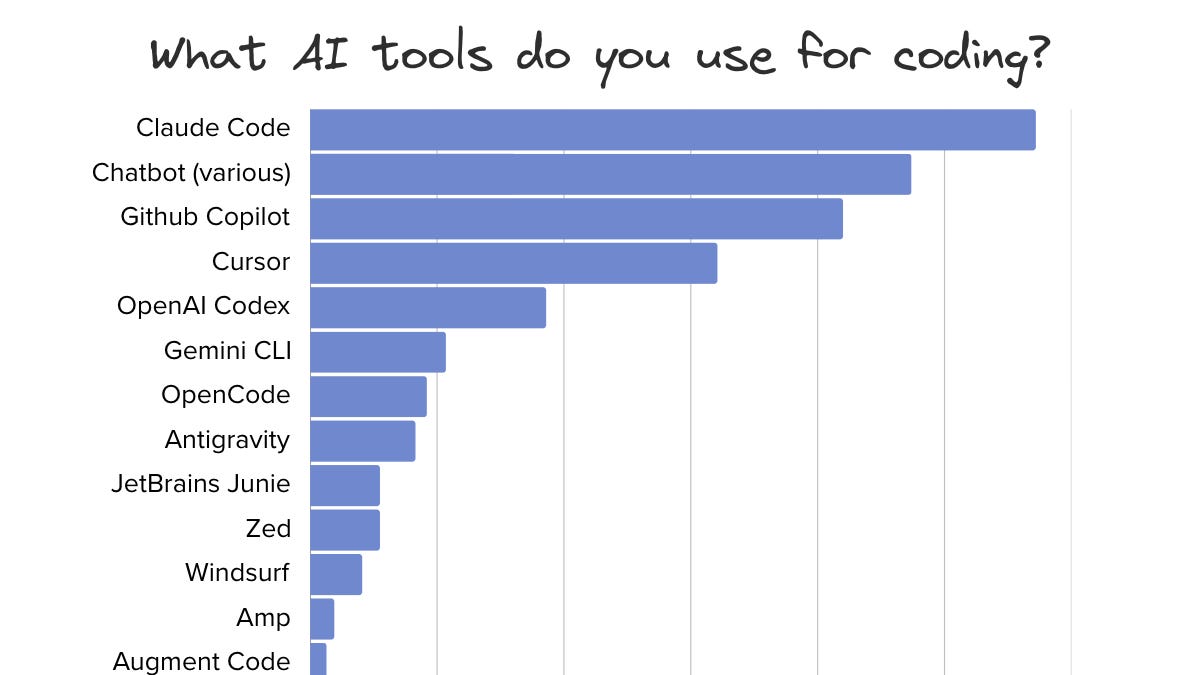
2. METR research: AI tools slowed development initially, but it's different in 2026
A 2025 study by the non-profit research organization METR found that developers were 19% slower when using AI tools. However, a February 2026 update stated that "it is highly likely that productivity gains from AI tools in early 2026 are appearing significantly higher than estimates from early 2025," suggesting rapid maturation of AI tools.
3. 2026 Frontend Framework Landscape: React dominates, Svelte & Astro advance
As of 2026, React maintains its lead with about 45% of the total frontend framework market share, while Svelte, Astro, and Qwik are growing rapidly by focusing on Core Web Vitals optimization. Vue.js records a usage rate of about 45% among developers, ranking second behind React, with a 19.2% market share according to W3Techs.
Open Source & Notable Repositories
While the GitHub Trending page was checked via screenshot, specific repository details are difficult to cite accurately due to the limitations of screenshot-based extraction. Below are notable open source and tool-related contents confirmed through research.
1. Wasp — AI-friendly full-stack framework
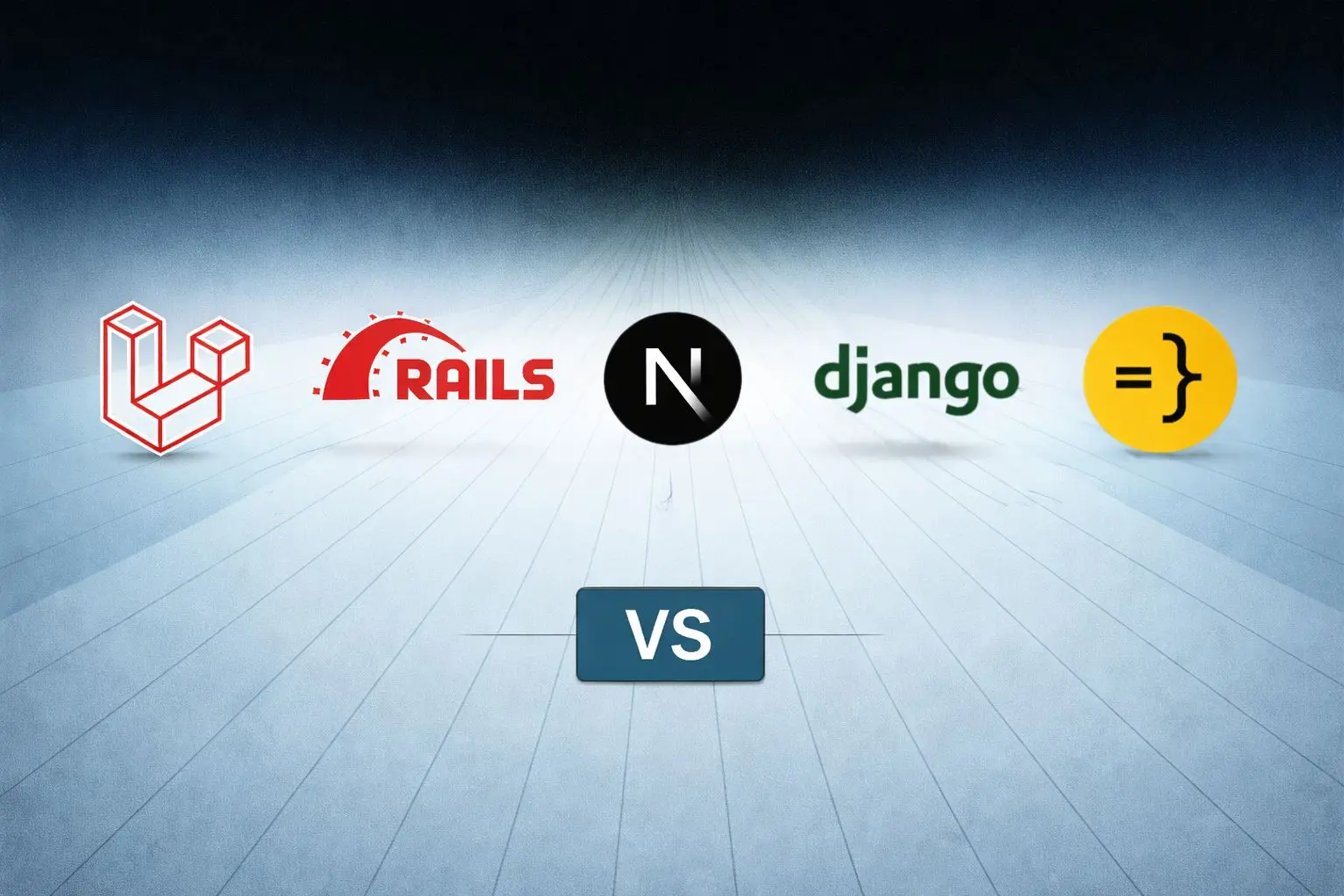
Wasp is a full-stack framework that differentiates itself with AI-friendliness compared to Laravel, Ruby on Rails, Django, and Next.js. As of 2026, it is gaining attention for its developer experience, ecosystem, and deployment ease.
2. Claude Code (Anthropic)
Anthropic's Claude Code has emerged as one of the fastest-adopted AI coding tools among developers in early 2026 AI tooling surveys. Its agentic code-writing capabilities are being applied to both frontend and backend development.
3. METR (Model Evaluation & Threat Research) — Open research on AI productivity measurement
METR is a non-profit research institute that measures the impact of AI tools on actual developer productivity using randomized controlled trials (RCTs). Its methodologies and data are shared as open source and utilized as a key reference for the AI industry.
Key Trend Analysis
The most notable trends this week are the acceleration of AI into military and government sectors and governance concerns regarding agentic AI.
The Pentagon's decision to sign agreements with 7 AI firms while excluding Anthropic creates an interesting contrast with the timing of Yale researchers warning about the corporate governance risks posed by Anthropic’s Claude Mythos. Anthropic’s insistence on stronger AI safety policies and the potential for resulting exclusion from government and military collaboration are expected to become major topics in the industry.
Regarding the productivity impact of AI development tools, results vary widely depending on the measurement method and subjects. With AI code accounting for 26.9% of total production, it suggests that the core question for developer workflows is shifting from "how fast is it?" to "how are code quality and maintainability changing?"
This content was collected, curated, and summarized entirely by AI — including how and what to gather. It may contain inaccuracies. Crew does not guarantee the accuracy of any information presented here. Always verify facts on your own before acting on them. Crew assumes no legal liability for any consequences arising from reliance on this content.
Powered by
