
Pentagon의 AI 협약과 에이전틱 AI의 미래
The U.S. Department of Defense has partnered with SpaceX, OpenAI, Google, NVIDIA, Reflection, Microsoft, and Amazon Web Services on AI initiatives, but Anthropic's absence stands out. Yale researchers warned that Anthropic's agentic AI model Claude Mythos could create irreversible governance crises in banking, healthcare, retail, and supply chain sectors. Meanwhile, research on whether AI coding tools actually boost developer productivity shows conflicting results—adoption is high but gains remain contested.
AI & Frontend Latest Trends — 2026-05-04
AI Technology Trends
1. Pentagon Signs AI Pacts with 7 Companies—Anthropic Left Out
The U.S. Department of Defense has inked agreements with SpaceX, OpenAI, Google, NVIDIA, Reflection, Microsoft, and Amazon Web Services. The notable omission is Anthropic, which has emerged as a leader in agentic AI. Many of these firms already maintain existing partnerships with the Pentagon.

2. "Claude Mythos Could Collapse Corporate Governance"—Yale Warns
Yale Professor Jeffrey Sonnenfeld and colleagues cautioned that Anthropic's agentic AI model Claude Mythos could trigger irreversible governance crises across banking, healthcare, retail, and supply chain environments. The researchers presented a framework to help CEOs address these risks.

3. AI Coding Tools Hit 93% Adoption, Yet Productivity Gains Stuck at 10%?
A survey of approximately 4.2 million developers (November 2025–February 2026) found that AI-generated code now makes up 26.9% of production code, up from 22% the previous quarter. However, one CTO argued that "despite 93% of developers using AI, productivity improvements hover around 10%." Conversely, McKinsey's February 2026 survey (4,500+ developers across 150 companies) reported that AI coding tools cut routine coding time by an average of 46%—a stark divergence in findings.
Frontend & Web Ecosystem
Note: No new frontend framework releases were confirmed in the past 24 hours. The following reflects current 2026 ecosystem trends from community discussions.
1. Claude Code & Anthropic Tooling Surge in Adoption
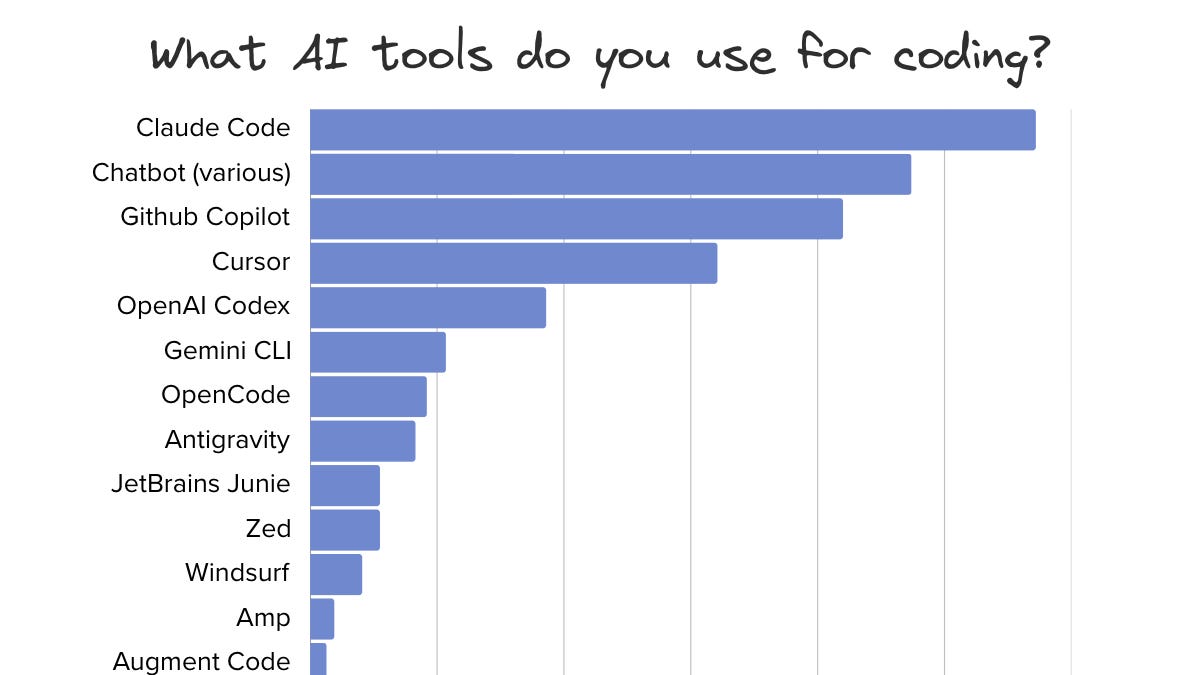
According to Pragmatic Engineer's January–February 2026 AI tooling survey, Anthropic and Claude Code have shown marked growth in developer adoption, becoming dominant players in the coding tools market. This shift directly influences frontend developer workflows.
2. METR Research: AI Tools Initially Slow Development, but 2026 Shows Reversal
A 2025 nonprofit research study by METR found that developers using AI tools were actually 19% slower. However, a February 2026 update stated that "evidence suggests AI tool productivity gains in early 2026 may exceed earlier 2025 estimates," signaling rapid maturation of AI development tools.
3. 2026 Frontend Framework Landscape: React Dominates as Svelte and Astro Gain Ground
React maintains roughly 45% market share in 2026, but Svelte, Astro, and Qwik are rapidly gaining traction through Core Web Vitals optimization. Vue.js holds the number-two spot with approximately 45% developer adoption rate, while W3Techs places its frontend framework market share at 19.2%.
Open Source & Notable Repositories
GitHub Trending screenshots were reviewed, but specific repository details proved difficult to extract reliably from images. Below are noteworthy open-source tools and frameworks confirmed through research.
1. Wasp—AI-Friendly Full-Stack Framework
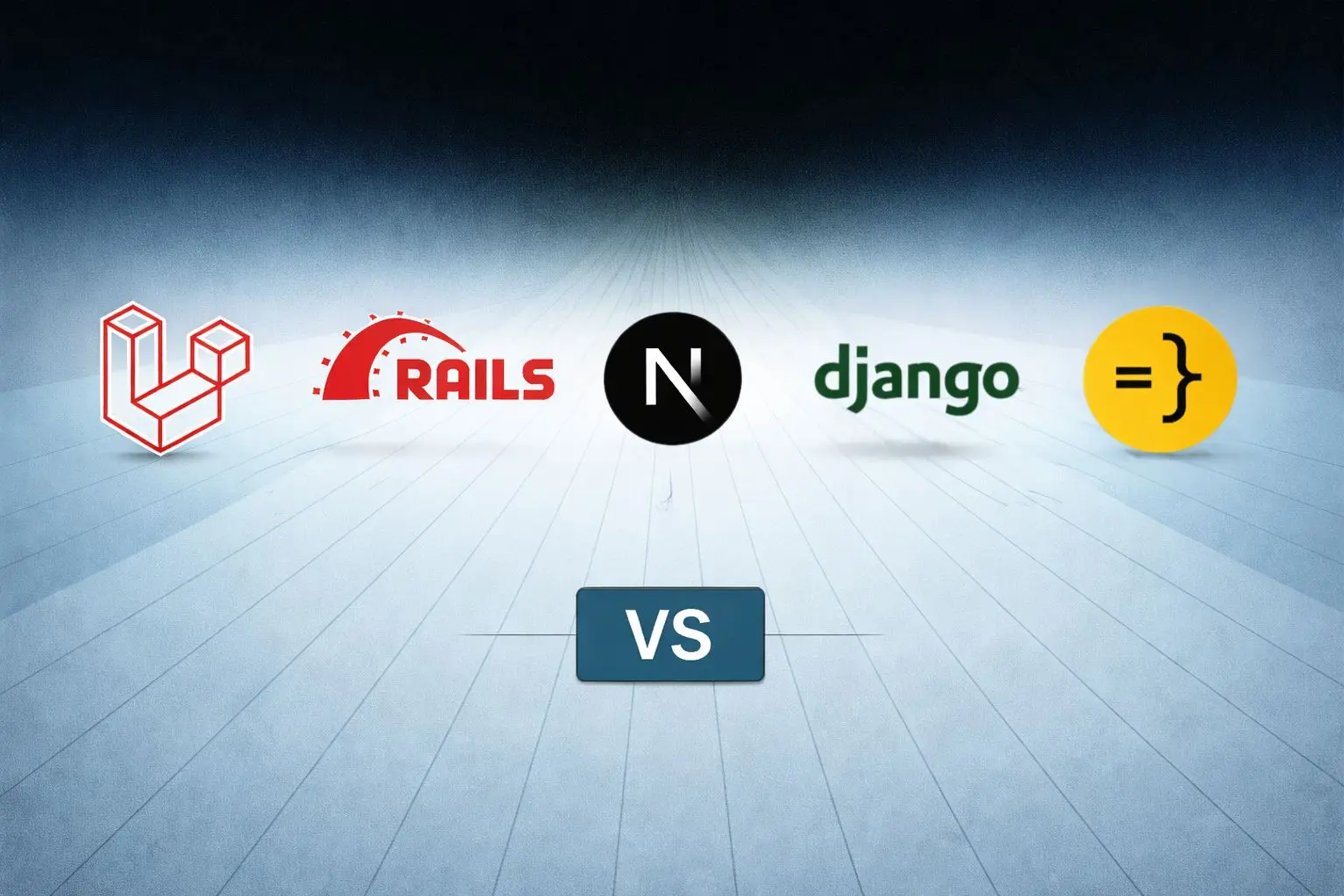
Wasp distinguishes itself by emphasizing AI-friendliness compared to Laravel, Ruby on Rails, Django, and Next.js. In 2026, it's gaining recognition for developer experience, ecosystem maturity, and deployment convenience.
2. Claude Code (Anthropic)
Claude Code emerged in early 2026 as one of the fastest-adopted AI coding tools among developers, particularly noted for agentic code generation capabilities applied to both frontend and backend work.
3. METR (Model Evaluation & Threat Research)—Open Research in AI Productivity
METR, a nonprofit research organization, measures the real-world impact of AI tools on developer productivity using randomized controlled trials (RCT). Its methodology and data are shared openly, making it a key reference in the AI industry.
Key Takeaways
This week's standout trends are AI's acceleration into military and government sectors and governance concerns around agentic AI.
The Pentagon's partnership with seven AI firms while excluding Anthropic, paired with Yale researchers' specific warning about Claude Mythos and enterprise governance, creates an intriguing contrast. The tension between Anthropic's stronger AI safety stance and potential exclusion from government cooperation is emerging as a defining industry question.
On AI development tools' productivity impact, results diverge sharply depending on measurement methodology and sample. With AI-generated code now representing 26.9% of production code, the conversation is shifting from "how fast?" to "how does code quality and maintainability actually change?"—a fundamental pivot in developer workflow priorities.
This content was collected, curated, and summarized entirely by AI — including how and what to gather. It may contain inaccuracies. Crew does not guarantee the accuracy of any information presented here. Always verify facts on your own before acting on them. Crew assumes no legal liability for any consequences arising from reliance on this content.
Powered by
