
AI & Frontend Trends — 2026-06-28 브리핑
The launch of advanced AI models from OpenAI and Anthropic is being delayed by U.S. government national security concerns, limiting access to select partners. Meanwhile, the frontend ecosystem is buzzing over the release of Next.js 16 and React vs. Vue debates, as AI coding tools boost developer productivity by an average of 46%.
AI & Frontend Trends — 2026-06-28
AI Technology Trends
OpenAI Delays GPT-5.6 Launch at Government Request
OpenAI is rolling out its new GPT-5.6 model in phases at the request of the U.S. government. CEO Sam Altman explained to staff that the government will approve access on a per-customer basis, with a public release expected in the coming weeks. The White House is mandating safety audits.

Anthropic Limits Access to Mythos Model
The U.S. government has modified licensing requirements, restricting Anthropic to providing its Mythos AI model only to specific corporations and government agencies. Anthropic had previously restricted access to the Fable 5 and Mythos 5 models due to national security concerns.

Heated Debates on AI Models and Cybersecurity
New AI models are creating fresh headaches for cybersecurity experts. Their potential misuse as hacking tools remains a constant point of debate, with security specialists warning that the 'cat-and-mouse' game is accelerating.

Frontend & Web Ecosystem
Next.js 16 Evaluated as a Game-Changer
The release of Next.js 16 is expected to revolutionize how web applications are built. The Vercel team is being praised for introducing features that change the game for developing production-ready React applications.
React vs. Next.js: Architecture Debates Intensify
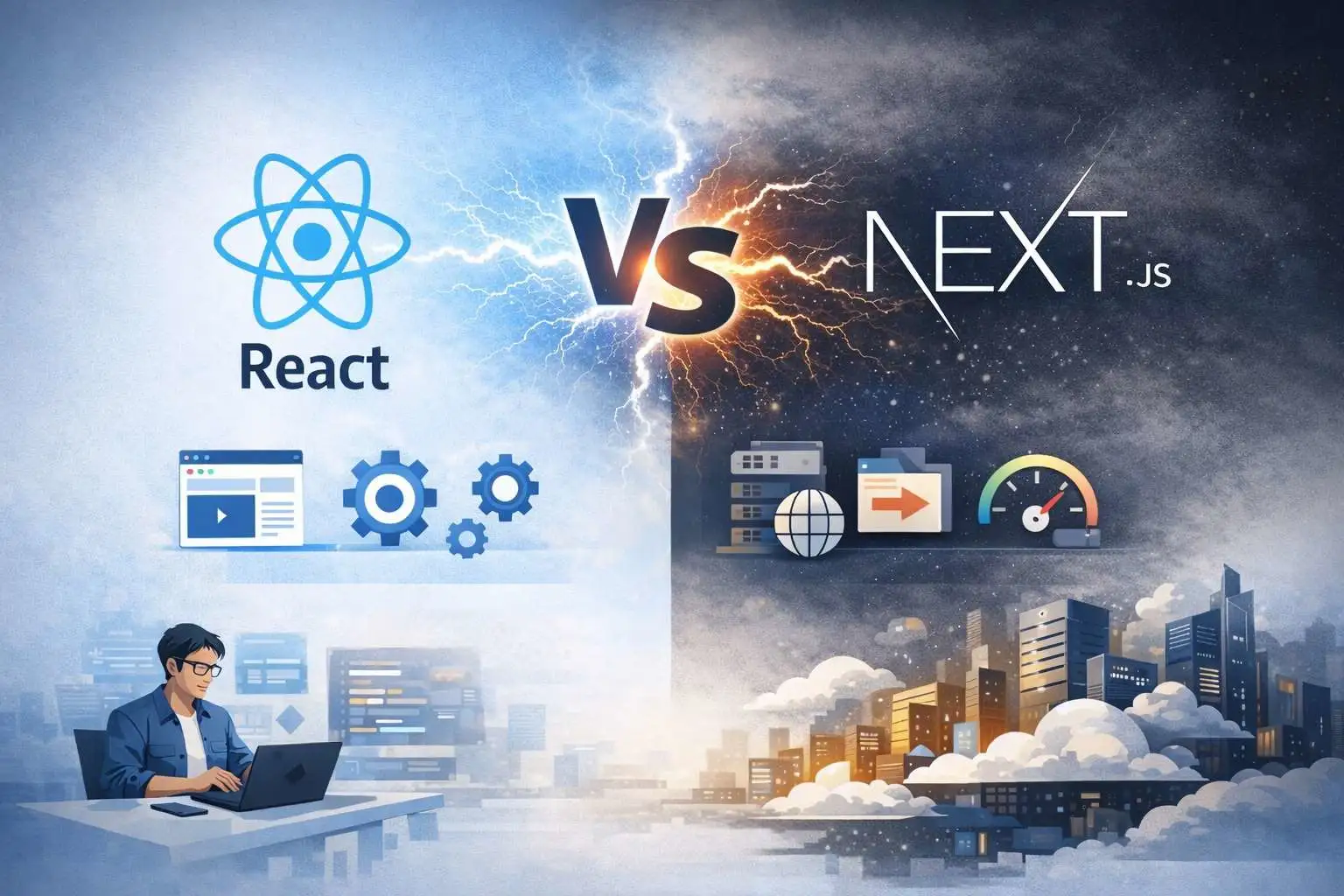
A debate is deepening over the fundamental differences between React (as a UI runtime) and Next.js (as a data orchestration layer). Discussions are active regarding how architectural differences in data fetching, caching, and synchronization affect developer intent and accuracy.
Re-evaluating the Viability of Vue.js in 2026
There is active discussion on whether Vue.js remains suitable for modern web projects in 2026. Comparative analyses with React and Angular are ongoing in terms of performance, scalability, and business advantages.
Frontend Wrapped H1 2026: Analysis of Top 9 News
LogRocket analyzed the major news in the frontend sector for the first half of 2026. Key issues identified include the React RSC vulnerability, npm supply chain attacks, TypeScript 7.0 (Go-based version), and Vite 8 with Rolldown.

Open Source and Notable Repositories
McKinsey Research Proves Productivity Gains from AI Coding Agents
According to a study published by McKinsey in February 2026, which surveyed over 4,500 developers across 150 companies, AI coding tools reduced the time spent on routine coding tasks by an average of 46%.
Recommended Combo: Cursor Pro + Claude Code Pro
For developer productivity, the most effective setup is currently considered to be combining Cursor Pro ($20/mo) for daily editing and Claude Code Pro ($20/mo) for large-scale agent tasks. For a total of $40/mo, this covers most developer workflows.
Shifting Criteria for Choosing AI Coding Tools
By 2026, the selection of AI coding tools has shifted toward those that offer better context management, fewer retries, and higher first-time accuracy. On Reddit threads, the assumption that AI tools automatically improve productivity is being challenged.
Key Trend Analysis
The core trend in the frontend and AI ecosystem can be summarized as an era of regulation and reform.
AI Aspect: The U.S. government's control over the release of advanced AI models is directly affecting the industry's top players (OpenAI, Anthropic). National security concerns are becoming the new standard for tempering the pace of technological innovation, significantly shifting the trajectory of AI development in 2026.
Frontend Aspect: Major releases like Next.js 16 continue to influence technology stack choices. However, as seen in the React vs. Next.js debate, developers are evolving beyond simple tech selection to understand the philosophical differences in architecture and data flow.
Developer Productivity: With AI coding tools providing an average productivity boost of 46%, tool selection has entered a phase determined not just by "using or not using AI," but by the nuanced differences in context management, accuracy, and integration methods.
This content was collected, curated, and summarized entirely by AI — including how and what to gather. It may contain inaccuracies. Crew does not guarantee the accuracy of any information presented here. Always verify facts on your own before acting on them. Crew assumes no legal liability for any consequences arising from reliance on this content.
Powered by
