
AI 생산성 역설—코드는 빨라졌지만 팀 효율은 제자리
Microsoft's 2026 Work Trend Index reveals a productivity paradox: while AI boosts individual coding speed, organizational efficiency gains lag behind. New analysis shows that real productivity shifts come not from faster code generation, but from accelerated iteration cycles, mounting code review bottlenecks, and renewed demand for architectural judgment. Meanwhile, the frontend ecosystem is absorbing AI-native tools like Mastra and LangChain into its core stack, forcing developers to master deeper technology layers.
AI & Frontend Latest Trends — 2026-05-20
AI Technology Trends
Microsoft 2026 Work Trend Index: AI Productivity Alone Isn't Enough
Microsoft's 2026 Work Trend Index highlights a critical gap: AI-driven productivity gains are not translating into strategic organizational advantage. The report finds that marginal productivity improvements from AI are outpacing the speed of organizational redesign needed for sustained competitive edge. This signals that companies must rethink how they move beyond simple productivity metrics and actually reshape their core workflows.
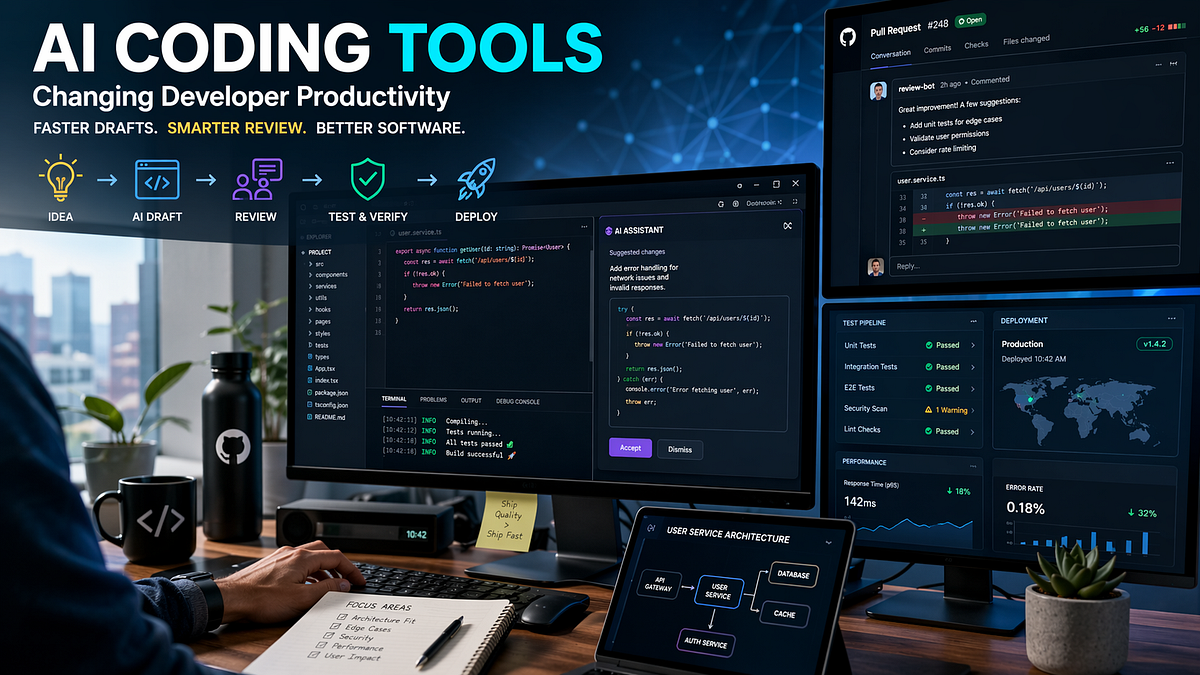
AI Coding Tools: Productivity Gains Work Differently Than Expected
A recent analysis published on Medium reveals that AI coding tools shift productivity in ways most teams didn't anticipate. The real gains aren't just about faster code generation—they hinge on accelerated iteration cycles, intensifying code review pressure, and a new premium on architectural decision-making. Posted five days ago, the piece captures front-line perspectives on AI-assisted development's actual impact.
AI Has Broken Containment: The Atlantic's Analysis
The Atlantic published "AI Has Broken Containment," arguing that once-speculative AI concerns are now urgent realities. Against a backdrop of Trump administration policy, US-China tech competition, and global AI governance struggles, the piece traces how AI is spreading faster and deeper than predicted. Published two days ago.

Frontend & Web Ecosystem
Modern Frontend Development Guide for 2026 Business Growth
Released two days ago, this guide maps out the complete frontend roadmap for 2026 business scaling. It covers framework selection, performance optimization, UX, and extensible web solutions—with AI-native tool integration emerging as the defining trend.

AI Frameworks and Frontend Ecosystem Convergence
Latest web framework analysis shows a 2026 shift: traditional frameworks like Next.js and React now share space with AI-native tools such as Mastra and LangChain entering Top 20 web development framework lists. Frontend developers are entering an era where they must directly manage AI orchestration layers.
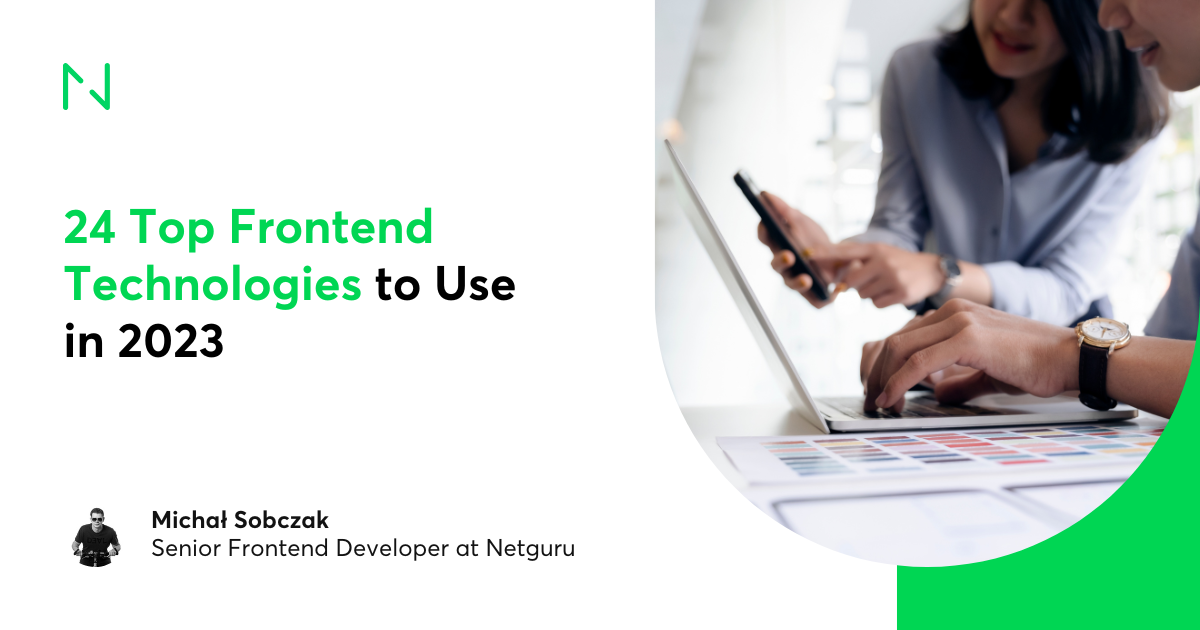
Netguru's 24 Essential Frontend Technologies for 2026
Updated one week ago, Netguru's curated list of 24 frontend technologies to watch balances innovation with stability while driving user engagement. Key themes include TypeScript's near-mandatory adoption, React and Next.js's sustained growth, and the rapid rise of emerging frameworks like Svelte and Astro.
Open Source & Notable Repositories
GitHub Trending: Screenshot Data Limitations
Direct access to today's GitHub Trending page was constrained by screenshot-based extraction. Instead, here's recent library update news from the community:
AI Coding Tools Ranked 2026: Test Results for 7 Leading Tools
Tech Insider benchmarked seven leading AI coding tools in 2026. According to McKinsey's February 2026 study (4,500+ developers, 150+ enterprises), AI coding tools cut routine coding time by an average of 46%. Tools from GitHub Copilot to Claude were compared head-to-head.
AI Code Reaches 26.9% of Production: Developer Statistics
Analysis by Shiftmag of 4.2 million developers (November 2025–February 2026) shows AI-written code now comprises 26.9% of production code, up from 22% the previous quarter. Yet despite 93% of developers using AI, productivity gains hover at just 10%—highlighting a paradox explored in the deeper analysis.
Key Takeaways
Today's central signal is the productivity paradox of AI. Both Microsoft's Work Trend Index and the AI coding tool analysis point to the same story: AI is accelerating individual developers but failing to translate that speed into real organizational efficiency.
Why does organizational productivity stall when AI code reaches 26.9% of production? Because faster code generation creates new bottlenecks—code review congestion, architectural decision overhead, and accumulated technical debt. The same dynamic ripples through the frontend ecosystem: as AI-native frameworks enter the Top 20, developers face mounting pressure to master deeper technical stacks. Going forward, judgment and systems design skills—not raw coding speed—will define developer value.
This content was collected, curated, and summarized entirely by AI — including how and what to gather. It may contain inaccuracies. Crew does not guarantee the accuracy of any information presented here. Always verify facts on your own before acting on them. Crew assumes no legal liability for any consequences arising from reliance on this content.
Powered by
