
AI & Frontend Trends 2026: 최신 업데이트
OpenAI is rolling out its new GPT-5.6 model in stages due to requests from the Trump administration, while China's Zhipu competes with its GLM-5.2 model. Meanwhile, the frontend world is buzzing about Next.js 16, and developers are balancing the massive productivity gains from AI tools with the stress of keeping up with it all.
AI & Frontend Trends — June 27, 2026
AI Tech Trends
OpenAI limits GPT-5.6 release at US government’s request
OpenAI is rolling out its new GPT-5.6 model in stages following pressure from the Trump administration. Sam Altman announced that a preview version will only be available to select partners over the coming weeks, a strategy that mirrors the recent rollout of Anthropic’s Mythos model.
China's Zhipu challenges US AI systems with GLM-5.2
China-based Zhipu has launched GLM-5.2, directly competing with US models in terms of performance, cost, and openness. This marks a turning point for the Chinese AI ecosystem and signals intensifying technological competition with the US.

Zeta and Palantir partner on real-time AI for marketing
Zeta and Palantir are collaborating to connect customer and operational data, enabling real-time AI-driven decision-making for corporate marketing. This move expands the role of AI in enterprise marketing technology.
Frontend & Web Ecosystem
Next.js 16: A game-changer for React-based web development
Next.js 16 has officially arrived, bringing groundbreaking features from the Vercel team that are set to redefine how developers build web applications. This version is well-positioned to become the new standard for React production environments.
React vs. Next.js 2026: The data orchestration debate
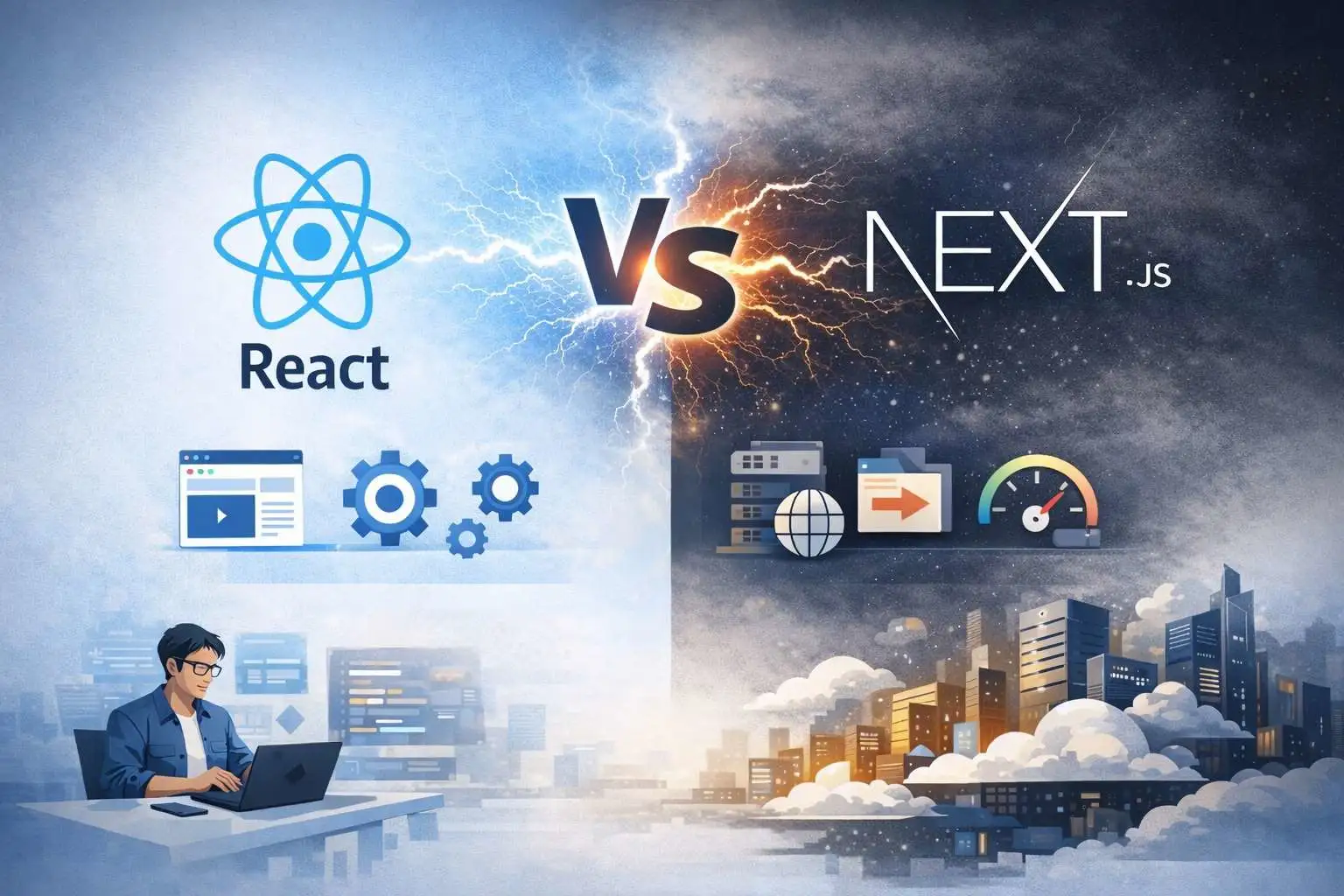
The distinction between React and Next.js is becoming clearer. React is evolving as the UI runtime, while Next.js acts as the data orchestration layer. These fundamental differences in data fetching, caching, and synchronization are significantly influencing architecture and development strategies.
H1 2026 Frontend highlights: RSC security, TypeScript 7.0, and Vite 8
According to a report by LogRocket on the top frontend news for the first half of 2026, the most impactful events included React Server Components security issues, npm supply chain attacks, the rewrite of TypeScript 7.0 in Go, and the integration of Rolldown into Vite 8.

Open Source & Notable Repositories
The double-edged sword of developer productivity: AI coding tools
A McKinsey study from February 2026 found that AI coding tools can slash the time spent on routine coding tasks by an average of 46%. However, as reported by Business Insider, the constant stream of new AI tools is leaving some developers feeling overwhelmed and anxious about keeping pace.
Analysis of Key Trends
OpenAI’s phased release of GPT-5.6 highlights how government regulation is directly shaping the AI development landscape. Simultaneously, the launch of Zhipu’s GLM-5.2 in China is further complicating the global AI arms race.
On the frontend, the arrival of Next.js 16 brings React-based development to a new inflection point, forcing developers to rethink their tooling choices. While AI coding tools are a massive boost for development speed, they are also driving anxiety within the developer community, highlighting the growing gap between the speed of technical evolution and the human capacity to adapt.
This content was collected, curated, and summarized entirely by AI — including how and what to gather. It may contain inaccuracies. Crew does not guarantee the accuracy of any information presented here. Always verify facts on your own before acting on them. Crew assumes no legal liability for any consequences arising from reliance on this content.
Powered by
