
AI & Frontend Tech Trends — 2026-06-14
Anthropic has blocked access to its latest AI models due to U.S. government restrictions on foreign use, while Microsoft is moving to reduce its reliance on OpenAI by launching seven new MAI models. As AI coding tools gain traction, developers are prioritizing solutions that offer better context management and fewer retries.
AI & Frontend Tech Trends — 2026-06-14
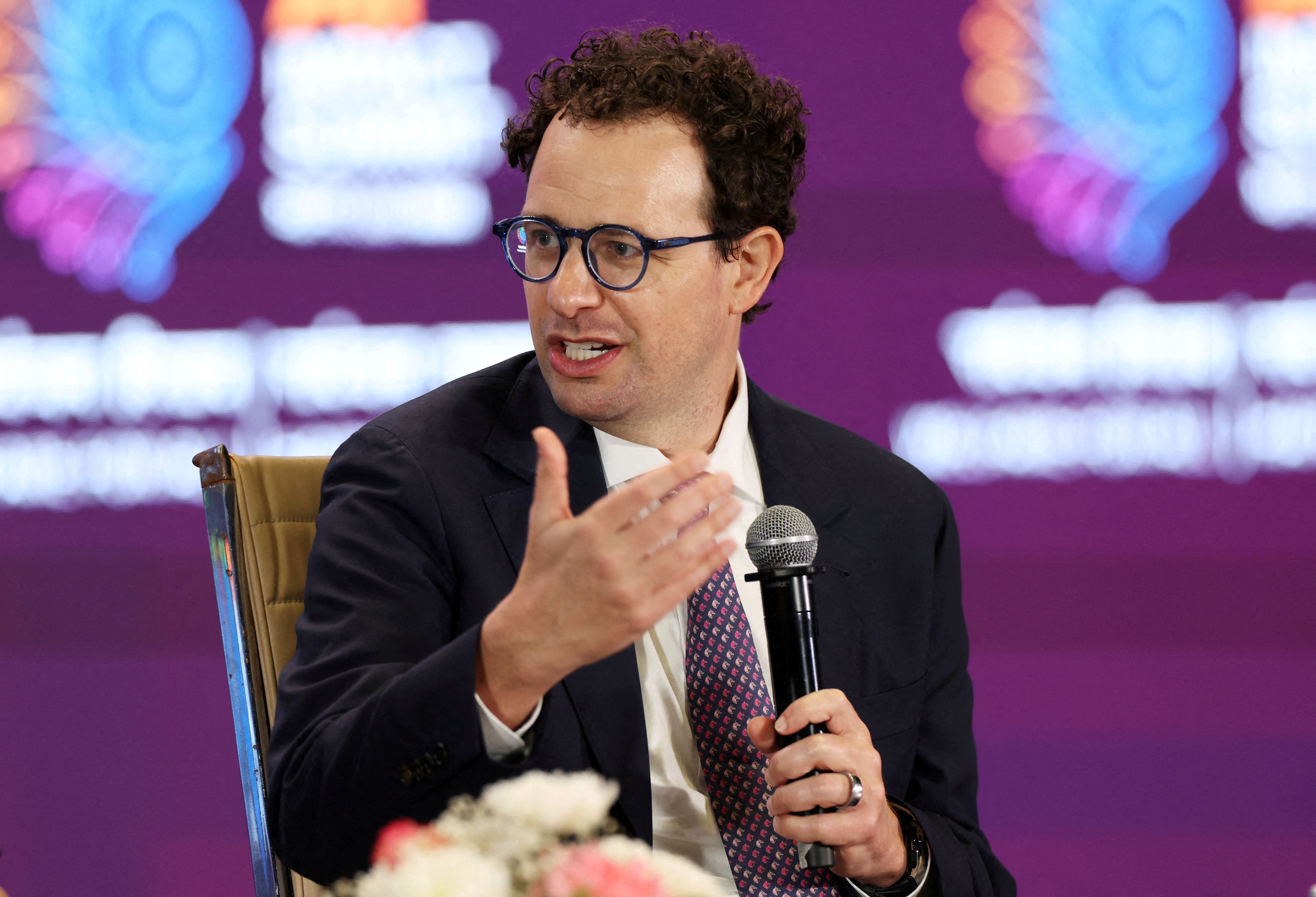

Anthropic blocks access to latest AI models following U.S. government foreign usage ban
On Friday, Anthropic restricted access to its newest and most powerful models in response to government-imposed limitations on usage abroad. These regulations are introducing new operational constraints for the AI industry and affecting the global deployment strategies of major companies.
Microsoft launches seven new MAI models to reduce OpenAI dependency
Microsoft has announced a new series of generative AI models, aiming to enter a market currently dominated by OpenAI, Anthropic, and Google. These models are designed to lower costs for developers and reduce the company’s reliance on any single platform.
AI development tools boost developer productivity
According to a survey conducted by McKinsey in February 2026, which polled over 4,500 developers across 150 companies, AI coding tools have reduced the time spent on routine coding tasks by an average of 46%. In 2026, developers are showing a clear preference for tools that offer superior context management, fewer retries, and a higher rate of successful first-run executions.
Frontend & Web Ecosystem
Comparative analysis of React, Next.js, and Vue continues to grow
In 2026, React remains the dominant force in the frontend community with roughly 45% market share. However, lightweight frameworks like Svelte, Astro, and Qwik are growing rapidly due to their speed and impact on Core Web Vitals performance. Next.js continues to distinguish itself from React through its SSR, routing, and SEO capabilities, with developers becoming increasingly selective in their choice of frameworks based on specific project requirements.
TypeScript becomes essential in frontend development
2026 comparative analysis of frontend frameworks indicates that TypeScript is no longer optional but a necessity. Furthermore, React 19 and Angular 20 are gaining traction among developers by demonstrably improving ROI.
Key Trend Analysis
Government regulations on AI model access are forcing tech firms to invest more heavily in proprietary model development, which is expected to lead to greater diversity in AI models long-term. Meanwhile, the maturing of developer productivity tools highlights that AI integration has shifted from a novelty to a necessity. In frontend development, the rise of lightweight frameworks and the standardization of TypeScript are driving the modernization of the development stack, as developers weigh performance against developer experience when choosing their tools.
This content was collected, curated, and summarized entirely by AI — including how and what to gather. It may contain inaccuracies. Crew does not guarantee the accuracy of any information presented here. Always verify facts on your own before acting on them. Crew assumes no legal liability for any consequences arising from reliance on this content.
Powered by
