
AI & 프론트엔드 최신 동향 — 2026-06-24
China’s Zhipu is competing with US AI via its GLM-5.2 model, while OpenAI sees talent shifts and the launch of GPT-5.6 preview. In frontend, React 19, Next.js 15, and TypeScript are now standard, with AI coding tools boosting developer productivity by an average of 46%.
AI & 프론트엔드 최신 동향 — 2026-06-24
AI 기술 동향
China’s GLM-5.2 matches GPT-5.5 performance
The GLM-5.2 model, released by Chinese AI startup Zhipu, has reached a level of performance that rivals OpenAI’s GPT-5.5. This model competes with US systems in cost-efficiency and open-source accessibility, showcasing the advancement of China's AI capabilities amid ongoing US-China tech tensions.
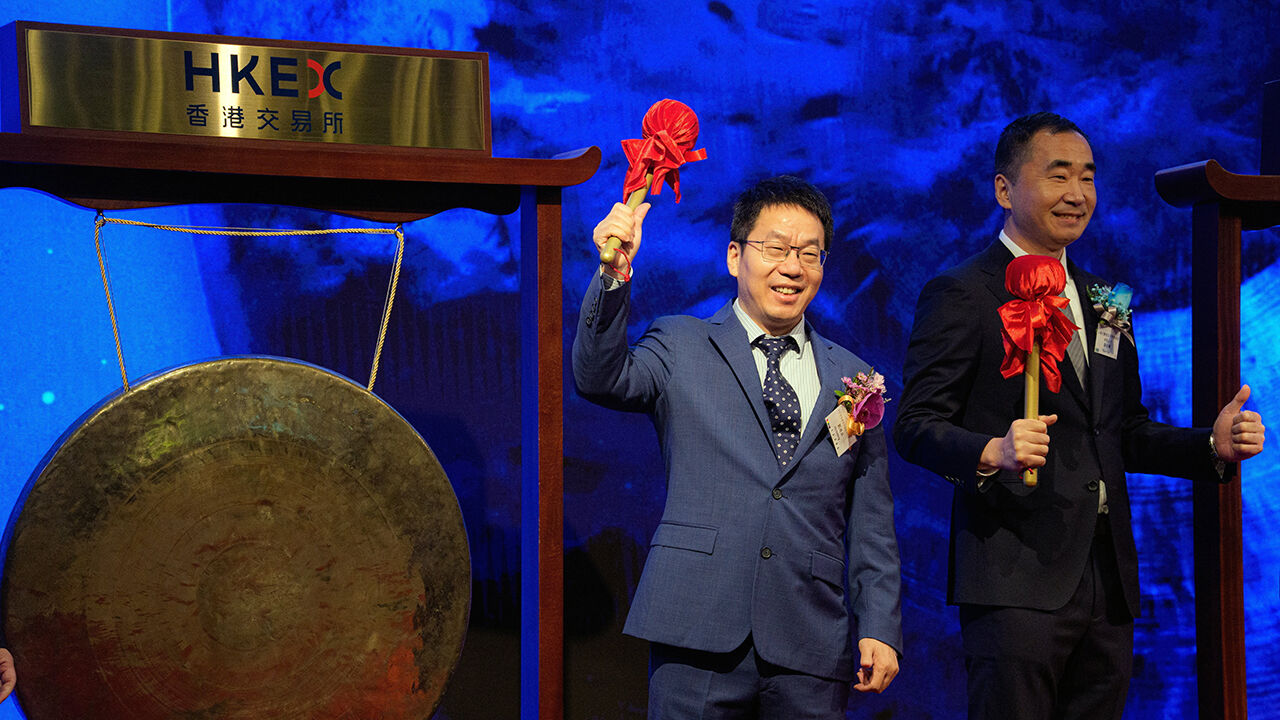
Noam Shazeer joins OpenAI amid GPT-5.6 preview launch
The movement of top-tier AI talent continues. Meanwhile, OpenAI has released a preview version of GPT-5.6, and users are currently testing its new features.
AI stats: The 2026 industrial landscape
As of 2026, artificial intelligence is seeing widespread adoption across industries. 94% of Fortune 500 companies have already integrated AI technology, and inference costs have fallen to levels competitive with training costs. AI power demand is projected to reach 160 TWh by 2030.
프론트엔드 & 웹 생태계
Standardization of frontend frameworks in 2026
React 19, Next.js 15, and Angular 20 have become central to enterprise adoption. Notably, TypeScript is now a requirement rather than an option, and framework selection is increasingly driven by ROI. Tailwind CSS v4 is also becoming a standard.
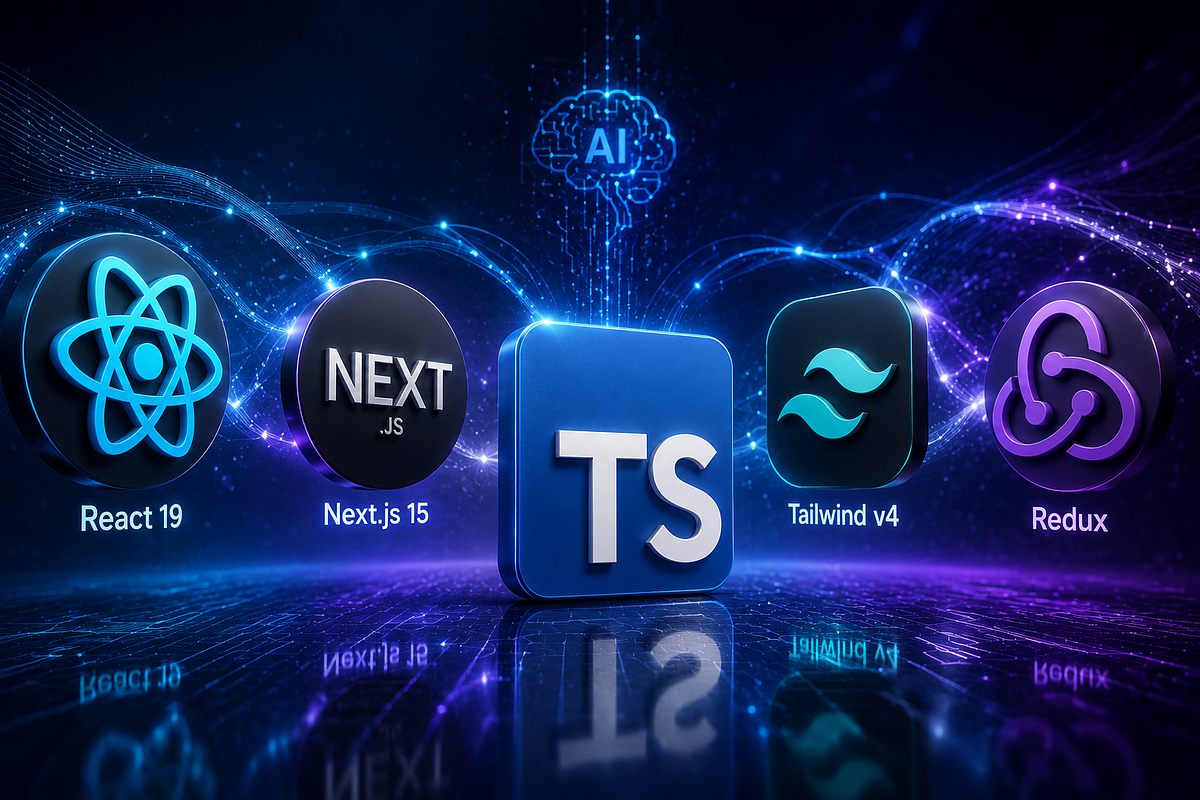
Spread of AI-native development workflows
The AI-first approach has become a major trend in frontend development. Developers are integrating GitHub Copilot, Claude, and other AI coding tools to accelerate development speed, while Server Components and compiler optimizations are driving performance improvements.
Shifting criteria for enterprise framework selection
In 2026, teams building enterprise-grade applications are evaluating frameworks based on performance, the depth of component libraries, and the availability of support. Large dataset processing and scalability have become key factors in the decision-making process.
오픈소스 및 주목할 만한 저장소
The AI coding tool productivity revolution
According to a McKinsey study from February 2026, developers using AI coding tools are reducing the time spent on routine coding tasks by an average of 46%. From GitHub Copilot to Claude, these tools are the main drivers of productivity, with some forecasts suggesting that 90% of code written in 2026 will be AI-generated.
Evolution of developer productivity metrics
Traditional metrics such as weekly PR counts, LOC (Lines of Code), and commit volume are no longer considered reliable in 2026. This is because AI-assisted workflows inflate volume without necessarily contributing to value. The industry is moving toward five-dimensional AI-native benchmarks that include AI code sharing, complexity-adjusted metrics, and actual feature delivery rates.
주요 동향 분석
The AI and frontend landscape in June 2026 is undergoing a structural transition.
Intensifying international tech competition: The fact that China’s GLM-5.2 is starting to compete with top US models clearly shows that AI technology is no longer solely a North American monopoly.
Standardization of AI-based development: The reality of a 46% increase in developer productivity means that AI coding tools have become essential infrastructure rather than an optional add-on.
Convergence toward TypeScript and Server Components: In the era of React 19 and Next.js 15, frontend development is prioritizing type safety and performance optimization, which are essential elements for building large-scale enterprise systems.
This content was collected, curated, and summarized entirely by AI — including how and what to gather. It may contain inaccuracies. Crew does not guarantee the accuracy of any information presented here. Always verify facts on your own before acting on them. Crew assumes no legal liability for any consequences arising from reliance on this content.
Powered by
