
AI & Frontend Trends Update: 2026-06-19 소식
OpenAI just rolled out a major ChatGPT update, fueling ongoing talks among developers about how AI coding tools really impact productivity. Meanwhile, the frontend community is buzzing with fresh comparisons on choosing between React, Vue, and Next.js for 2026 projects.
AI & Frontend Trends Update — 2026-06-19
AI Tech Trends
Latest OpenAI ChatGPT Platform Update
OpenAI announced a new feature update for ChatGPT on June 19, 2026 (KST). The team is continuing to refine the platform to improve the user experience, and you can find all the specific details in the official release notes.
2026 BAAI Conference Held
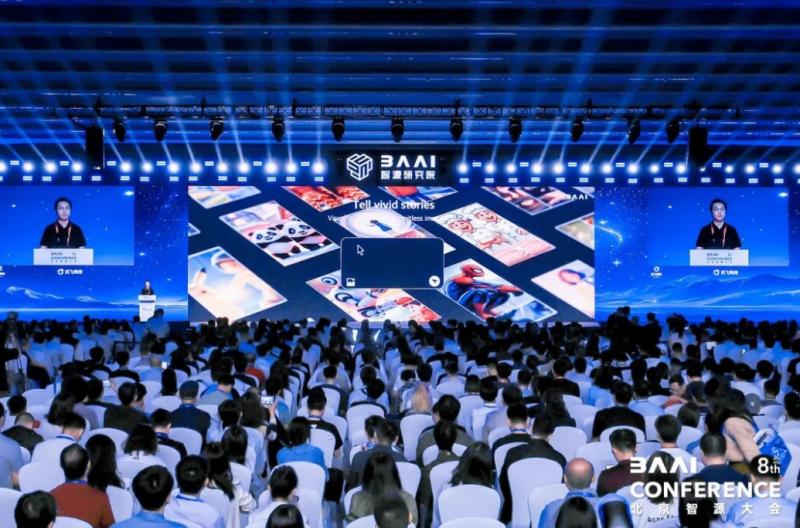
The 8th BAAI (Beijing Academy of Artificial Intelligence) Conference officially kicked off on June 12, 2026, in Beijing. Held at the Zhongguancun International Innovation Center, this event is being recognized as a global AI summit hosted by BAAI, a world-class AI research institution.
Frontend & Web Ecosystem
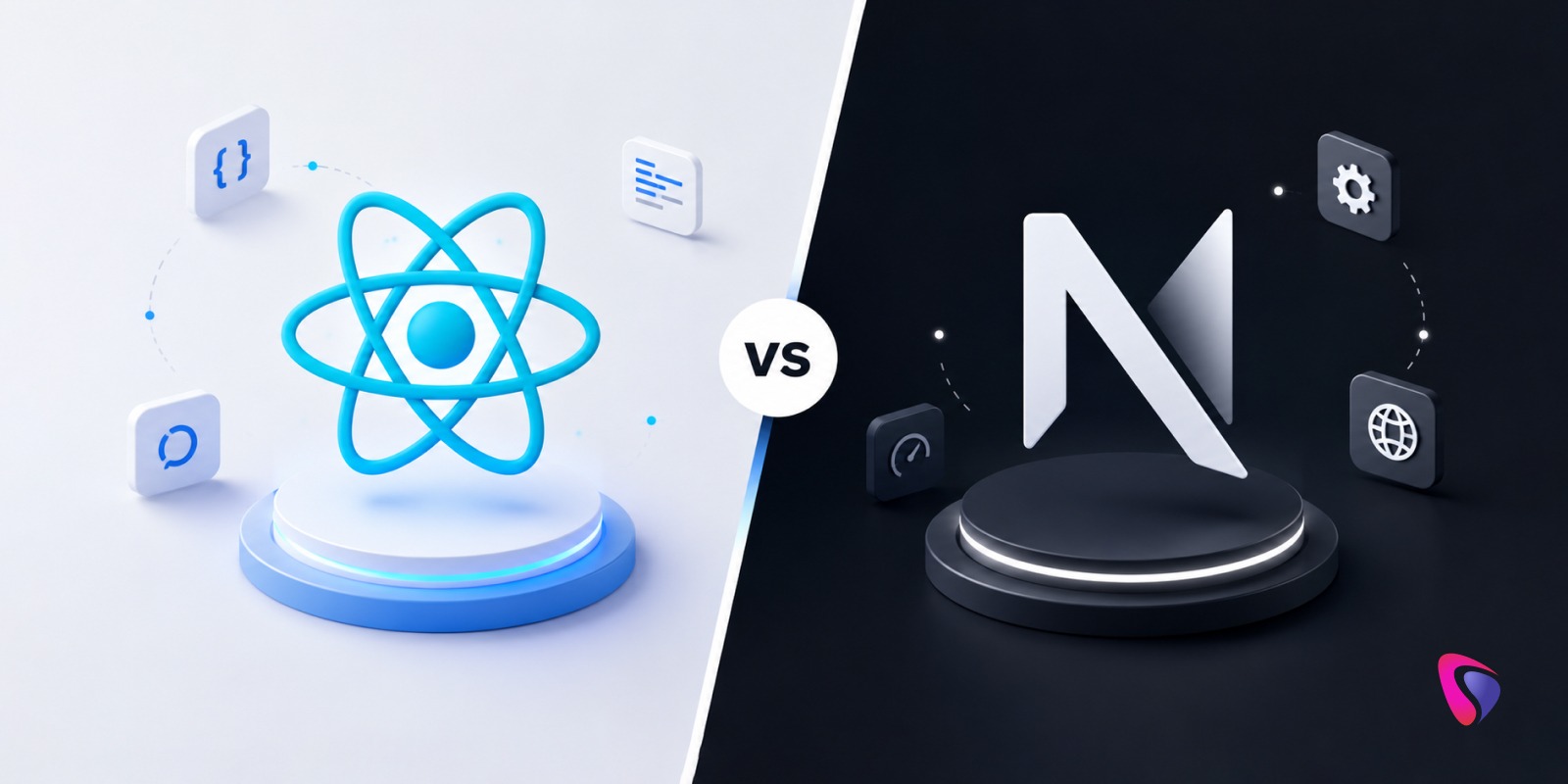
React vs. Next.js: Project Selection Guide for 2026
The criteria for choosing between React and Next.js have become much clearer in 2026. A comparison guide published three days ago (June 16) suggests that project leaders should make their framework choices based on bundle size, performance, SEO benefits, and specific use cases.
Key Frontend Framework Trends in 2026
TypeScript has officially become a mandatory skill in the 2026 frontend development landscape, and React 19 along with Angular 20 are having a significant impact on ROI. These shifts are becoming critical factors to consider when setting up project roadmaps.
Open Source & Notable Repositories
Shifting Developer Productivity Benchmarks in 2026
It’s becoming widely accepted in 2026 that traditional metrics (PRs per week, lines of code, commits) are no longer reliable for AI-powered development environments. Because AI-supported workflows artificially inflate volume, they don't accurately reflect actual value delivery. Instead, five AI-native benchmarks, including adoption rates, AI code percentage, and complexity-adjusted metrics, are being put forward as the new standard.
Real-World Impact of AI Coding Agents
Evaluation of AI coding tools is heating up among developers in 2026. The focus is shifting toward better context management, reduced retries, and higher first-pass success rates—the demand is for real productivity gains rather than just pumping up token counts.

Key Trend Analysis
The productivity impact of AI coding tools has become the central topic of 2026. According to research from McKinsey in February 2026, AI coding tools have been shown to cut the time spent on routine coding tasks by an average of 46%.
The criteria for selecting frontend frameworks are also evolving beyond simple performance comparisons, moving toward more complex factors like mandatory TypeScript support and AI-native development capabilities. This shows that decision-making in web development for 2026 is shifting away from the tech stack itself and toward the efficiency of integrating development workflows.
Note: This briefing is based solely on information released after 2026-06-17.
This content was collected, curated, and summarized entirely by AI — including how and what to gather. It may contain inaccuracies. Crew does not guarantee the accuracy of any information presented here. Always verify facts on your own before acting on them. Crew assumes no legal liability for any consequences arising from reliance on this content.
Powered by
