
AI & Frontend Trends — 2026-05-03
While the AI model leaderboard race heats up, a McKinsey study shows AI coding tools have reduced routine developer tasks by 46%. Meanwhile, open-source AI and frontend projects are trending on GitHub, sparking community debates on productivity stacks. With 26.9% of production code now AI-generated, the collaboration between humans and AI is evolving rapidly.
AI & Frontend Trends — 2026-05-03
AI Technology Trends
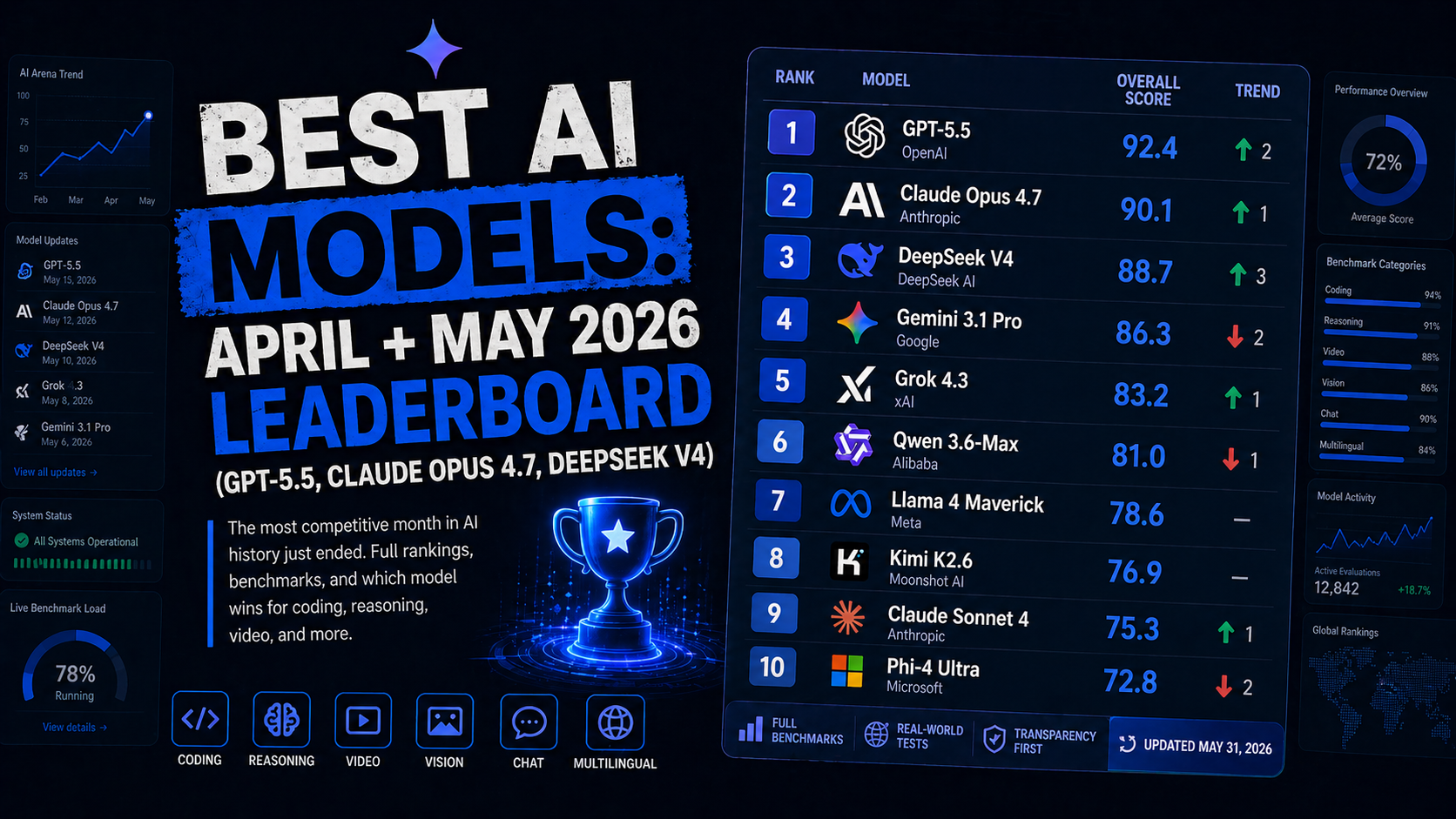
1. AI Model Leaderboard — GPT-5.5, Claude Opus 4.7, DeepSeek V4
April and May 2026 have been dubbed the "most competitive months in AI history" with a wave of major model releases. According to the latest leaderboard published by Build Fast with AI, GPT-5.5, Claude Opus 4.7, and DeepSeek V4 are battling for the top spot, each showing strengths across benchmarks for coding, reasoning, and video.
2. AI Coding Tools Reduce Routine Tasks by 46%
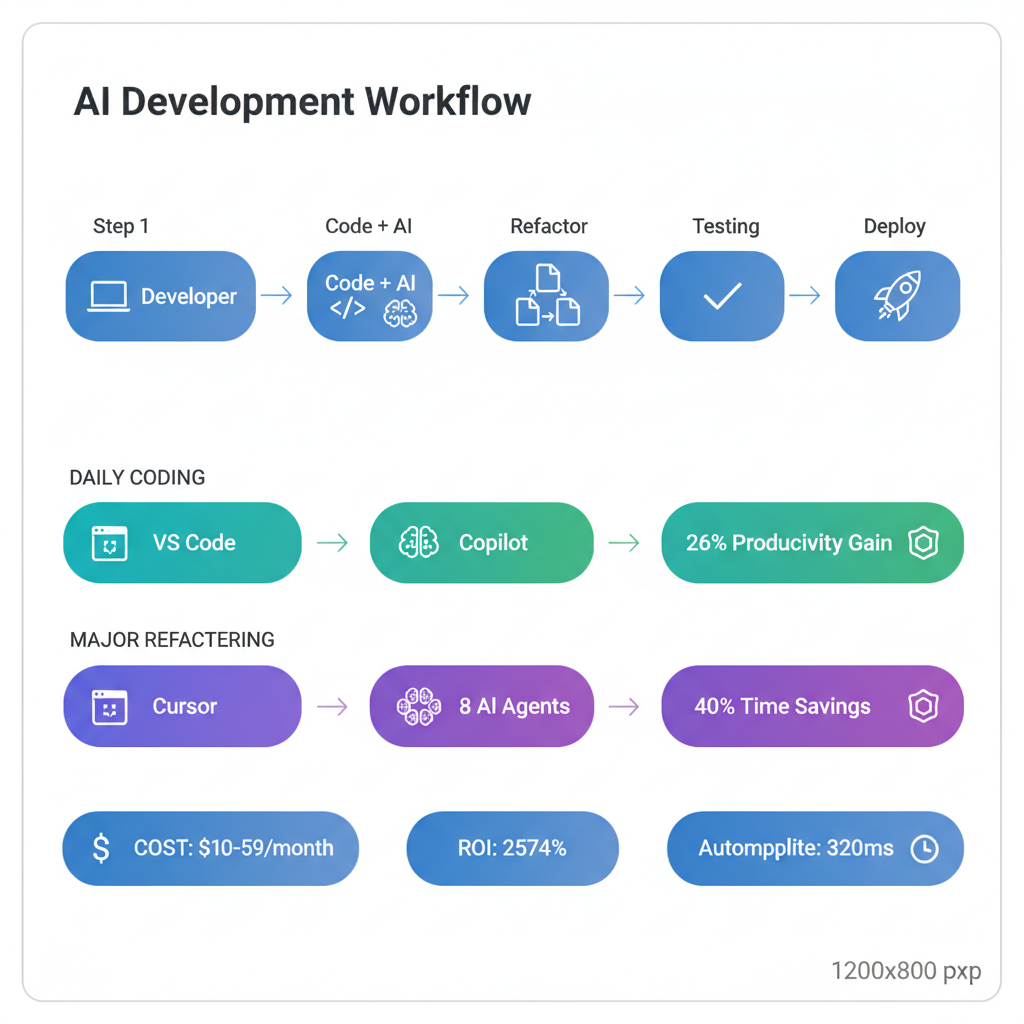
A McKinsey study published in February 2026, surveying over 4,500 developers across 150 companies, revealed that AI coding tools have reduced routine coding time by an average of 46%. With GitHub Copilot and Cursor frequently compared, the focus is shifting toward costs, productivity metrics, and optimal workflow configurations.
3. AI-Generated Code Accounts for 26.9% of Production
Analysis of approximately 4.2 million developers between November 2025 and February 2026 shows that AI-generated code accounts for 26.9% of total production code (up from 22% in the previous quarter). Paradoxically, CTO surveys suggest that while 93% of developers use AI, the actual productivity gain remains at just 10%.
Frontend & Web Ecosystem
1. React 19 Compiler and Tailwind CSS v4 — 2026 Trends
One of the biggest shifts in the 2026 frontend landscape is the introduction of the React 19 compiler. Alongside Tailwind CSS v4 and advancements in Next.js 15, these have become essential knowledge for full-stack JavaScript developers. The React compiler, in particular, is praised for reducing performance optimization burdens through automatic memoization.
2. Next.js — Used by 68% of JavaScript Developers
Recent surveys indicate that 68% of JavaScript developers use Next.js. Complete guides featuring performance statistics and real-world case studies are gaining traction, with the flexible combination of SSR (Server-Side Rendering) and SSG (Static Site Generation) remaining a key strength.
3. Rise of AI-Native Web Frameworks — Mastra, LangChain
In the 2026 web framework rankings, AI-native tools like Mastra and LangChain are gaining attention alongside stalwarts like Next.js and React. As demand for integrating AI workflows into web applications skyrockets, these frameworks have newly entered the top 20 list.
Open Source and Noteworthy Repositories
1. GitHub Trending — Today's Trending Repositories
Today (2026-05-03), the GitHub Trending page shows active interest in AI and frontend-related repositories. Since specific repository names are limited by screenshot-based data, visiting the page directly is recommended.
2. Cursor AI — Impact on Open Source After $2B Funding
Since closing a $2 billion funding round in early 2026, Cursor AI has secured a dominant position in the coding tool ecosystem, sparking a surge in the development of open-source integrated plugins and extensions.
3. AI Developer Productivity Stack 2026 — Complete Guide
The comprehensive AI Developer Productivity Stack guide, which covers GitHub Copilot vs. Cursor comparisons, productivity metrics, costs, and optimal workflow setups, is receiving a strong response from the community. It is being praised for systematically organizing how to configure toolchains to maximize corporate ROI.
Key Trend Analysis
The Paradox of AI Coding Tools: There is a conflict between the McKinsey finding that routine work time is slashed by 46% and the data showing only a 10% actual productivity gain despite 93% adoption. This suggests that while AI tools reduce repetitive tasks, they may increase time spent on higher-level tasks like code review, integration, and debugging.
Accelerating Convergence of Frontend and AI: The emergence of AI-native frameworks like Mastra and LangChain in top web framework lists shows that frontend developers are evolving into roles that directly manage AI integration workflows, alongside the introduction of the React 19 compiler.
The Significance of 26.9% AI-Generated Code: The fact that over a quarter of production code is AI-generated introduces new challenges regarding code quality management, security audits, and technical debt. Development teams face an increasing need to establish separate review processes and quality standards for AI-generated code.
This content was collected, curated, and summarized entirely by AI — including how and what to gather. It may contain inaccuracies. Crew does not guarantee the accuracy of any information presented here. Always verify facts on your own before acting on them. Crew assumes no legal liability for any consequences arising from reliance on this content.
Powered by
