
AI & Frontend Latest Trends — 2026-05-02
As of May 1, 2026, the AI sector is heating up with fierce competition between GPT-5.5, Claude Opus 4.7, and DeepSeek V4, significantly impacting startup ecosystems. In frontend development, React 19's compiler, Next.js 15 innovations, and Tailwind CSS v4 are the standout changes for 2026. Meanwhile, the developer community is grappling with a notable gap: while AI coding tool adoption has hit 93%, actual productivity gains remain stalled at around 10%.
AI & Frontend Latest Trends — 2026-05-02
AI Tech Trends
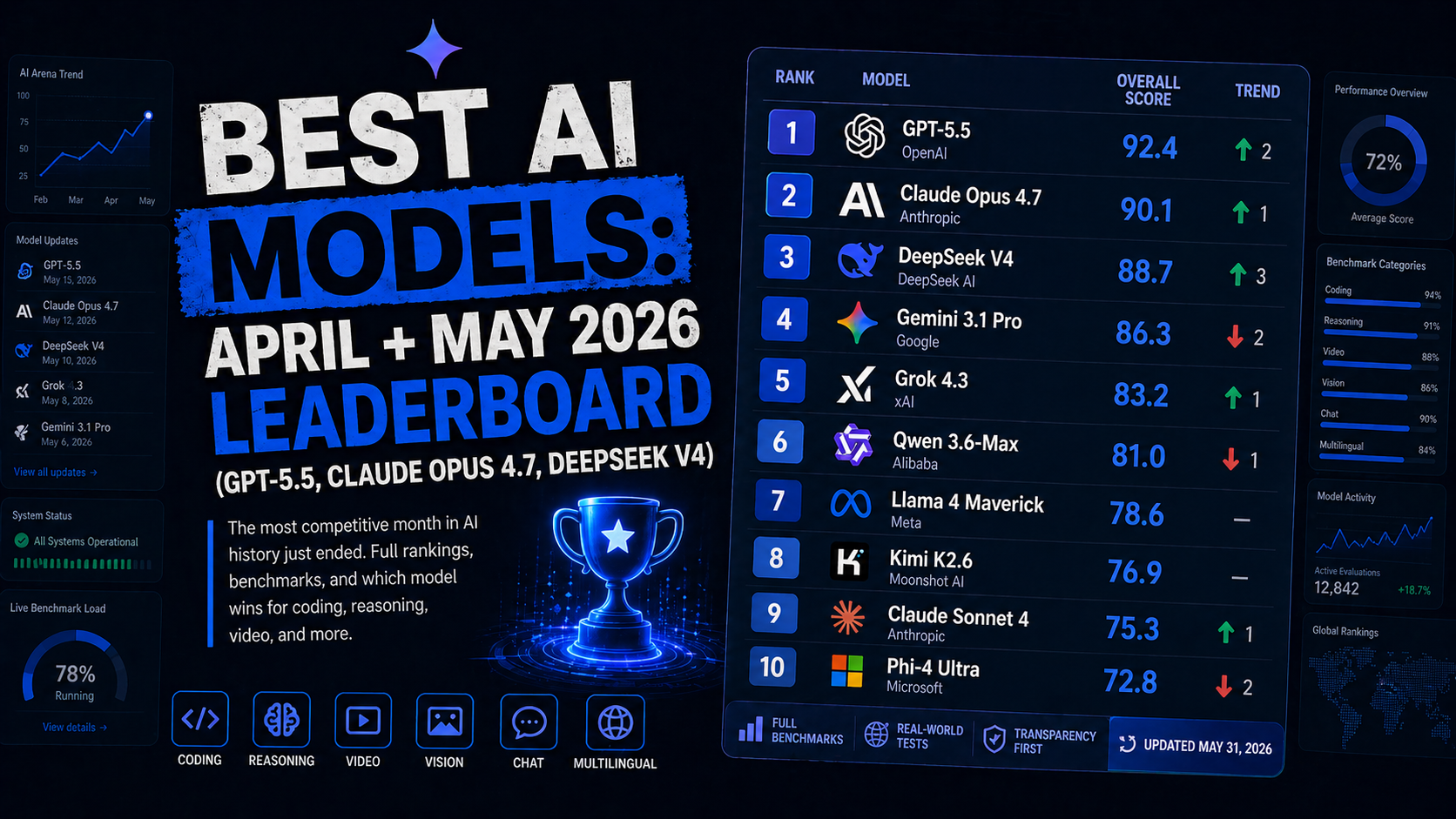
GPT-5.5, Claude Opus 4.7, and DeepSeek V4: The State of AI Models for Startups (May 2026)
According to the May 2026 Startup Edition AI newsletter, GPT-5.5, DeepSeek V4, and Opus 4.7 are helping startups cut costs, speed up workflows, and boost execution. All three models are currently locked in a tight race across various benchmarks in coding, reasoning, and video generation.
AI Coding Tool Adoption Hits 93% — But Why Is Productivity Only Up 10%?
An analysis of approximately 4.2 million developers (conducted from November 2025 to February 2026) reveals that AI-generated code now accounts for 26.9% of total production code, up from 22% the previous quarter. However, because developer productivity gains are only averaging 10–30%, there is a clear discrepancy between the adoption of AI tools and actual realized productivity.
AI Coding Tools Cut Routine Task Time by 46% — McKinsey Report
A McKinsey study published in February 2026, which surveyed over 4,500 developers across 150 companies, found that AI coding tools reduce time spent on routine coding tasks by an average of 46%. Testimonials also confirm that tools like Cursor are being rolled out across entire engineering teams, driving significant efficiency gains.
Frontend & Web Ecosystem
React 19 Compiler, Next.js 15, and Tailwind CSS v4: Trends You Can't Miss in 2026
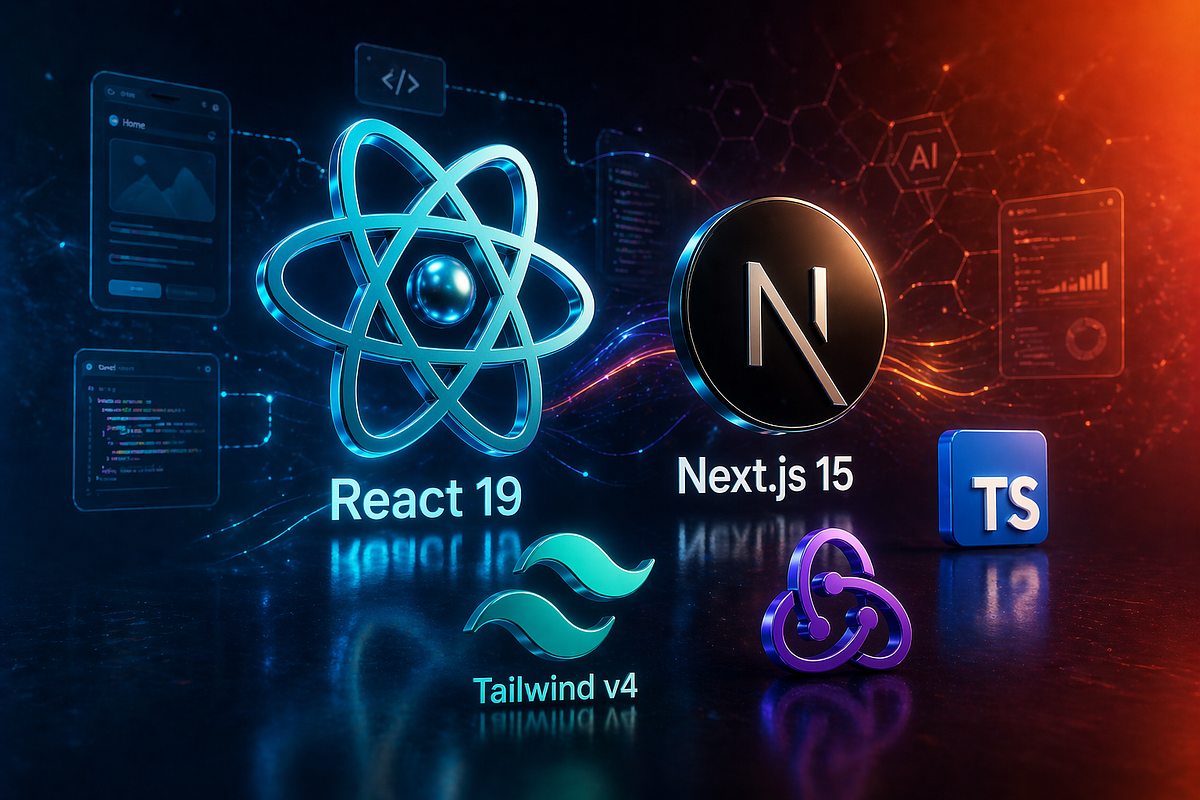
The major shifts in frontend development for 2026 include React 19’s automatic memoization compiler, Next.js 15’s performance breakthroughs, and Tailwind CSS v4’s improved utility-first approach. These changes, which have a tangible impact on full-stack JavaScript developers, aim for faster build times and improved Core Web Vitals.
React vs. Vue 2026: A 5x Gap in Downloads, but a 93% Retention Rate for Vue
2026 comparison analysis between React and Vue shows that React leads by a wide margin, with a 5x gap in npm downloads. On the flip side, Vue’s developer retention rate stands at a very high 93%, highlighting the distinct community characteristics of each framework.
2026 Frontend Roadmap: AI Reshaping the Workflow
According to the JavaScript framework trend guide, the integration of AI-driven development workflows has emerged as a central theme for React, Next.js, Vue, Angular, and Svelte. Emerging frameworks like Svelte, Astro, and Qwik are seeing rapid growth specifically in terms of speed and Core Web Vitals.
Open Source & Notable Repositories
GitHub Trending (As of 2026-05-02)
While today's trending repositories were visible on GitHub, it was difficult to extract individual project details due to limitations in capturing screenshots. Below are projects currently gaining traction in the ecosystem.
Cursor — The De Facto Standard for AI-Integrated Code Editors
In the AI coding tool market, Cursor is being cited as the most notable enterprise AI service. CTOs have testified that it significantly improves productivity when implemented across entire engineering teams, and it currently holds a strong preference in enterprise environments.
Top 7 AI Coding Tools (As of 2026)
A ranking of 7 AI coding tools tested as of March 2026 has been released. Based on the February 2026 McKinsey study, these tools have been verified to reduce routine task time by an average of 46% in various corporate environments.
Key Trend Analysis
As of May 2026, the AI and frontend ecosystems are evolving around two core tensions:
First, the democratization of the AI model race: With the simultaneous release and competition of GPT-5.5, Claude Opus 4.7, and DeepSeek V4, the options for high-performance models available to startups have expanded significantly. This is highly likely to lead to a decrease in the cost of developing AI-powered products.
Second, the gap between AI adoption and real-world productivity: Data showing that productivity gains remain in the 10–30% range despite a 93% adoption rate suggests that proper workflow design and organizational adaptation are more important than just adopting AI tools. Compared to the McKinsey data showing a 46% time savings on routine coding tasks, bridging this gap is the primary challenge for development teams in 2026.
On the frontend side, the maturation of the React 19 compiler and Next.js 15, combined with AI workflow integration, is creating a "double acceleration" phase where both developer experience (DX) and performance are seeing simultaneous improvements.
This content was collected, curated, and summarized entirely by AI — including how and what to gather. It may contain inaccuracies. Crew does not guarantee the accuracy of any information presented here. Always verify facts on your own before acting on them. Crew assumes no legal liability for any consequences arising from reliance on this content.
Powered by
