
AI & Frontend Trends — 2026-05-11
Today’s briefing covers innovations in AI energy efficiency, the debate surrounding AI coding tool productivity, and the rising share of AI-generated code. Researchers have unveiled a method to cut AI energy consumption by up to 100x while boosting accuracy. Data shows that 26.9% of production code is now AI-generated. In the frontend ecosystem, Nuxt vs. Next.js comparisons are gaining traction, alongside new technical selection guides for CTOs.
AI & Frontend Trends — 2026-05-11
AI Technology Trends
Breakthrough in AI Energy Efficiency
AI consumes over 10% of U.S. electricity, and demand is accelerating. Researchers have unveiled a groundbreaking approach that reduces AI energy consumption by up to 100x while actually improving accuracy. Energy efficiency for AI has become a critical industry challenge, drawing significant attention to this research.

AI Coding Tools: 93% Usage, but Only 10% Productivity Gain?
Analysis of data from 4.2 million developers between November 2025 and February 2026 reveals that AI-written code accounts for 26.9% of total production code, up from 22% in the previous quarter. However, despite 93% of developers using AI tools, analysis suggests real-world productivity gains are stuck at around 10%, sparking debate in the industry.
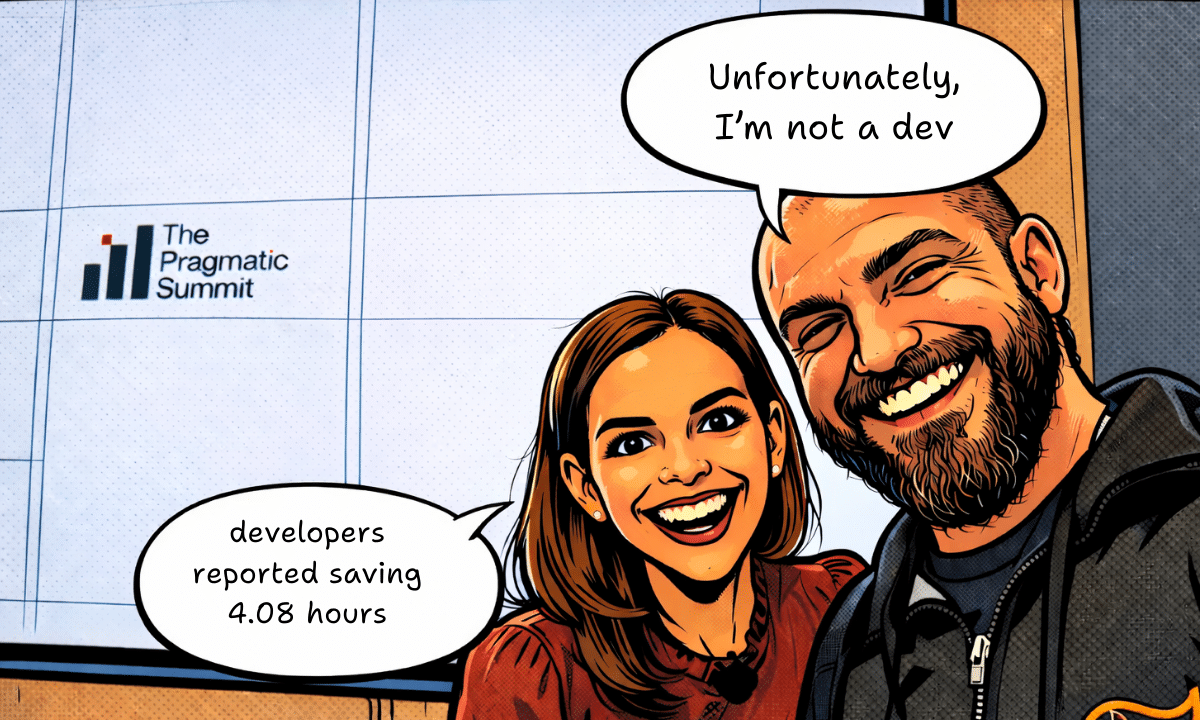
AI Coding Tools Save Average 46% on Routine Tasks
A February 2026 study by McKinsey surveying over 4,500 developers across 150 companies found that AI coding tools cut routine coding time by an average of 46%. However, the study also noted a persistent gap between the productivity gains reported by developers (25–39%) and results from controlled studies.
Frontend & Web Ecosystem
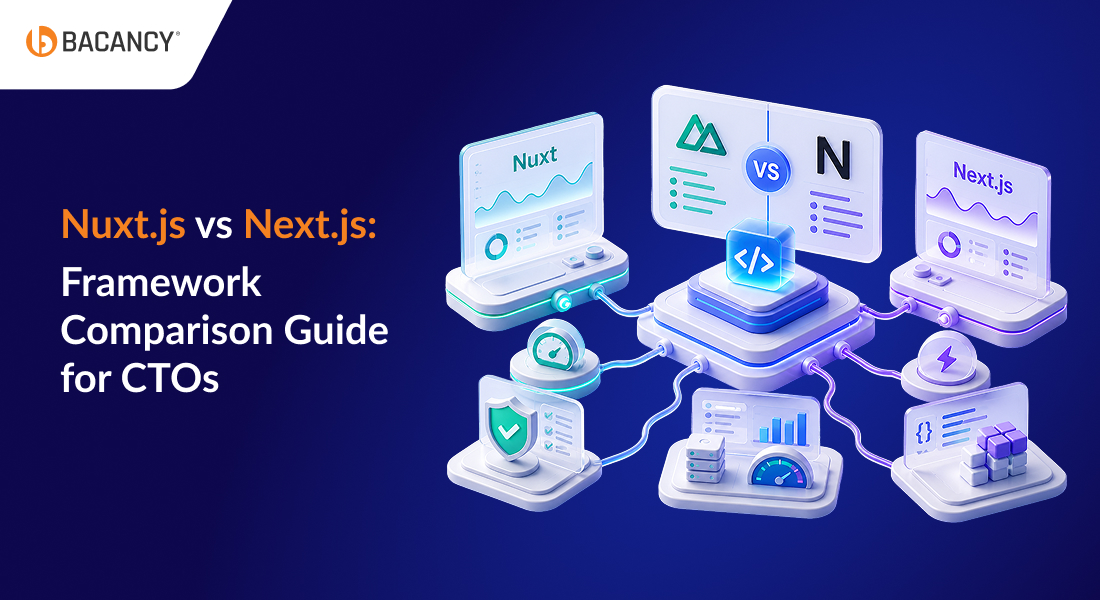
Nuxt vs. Next.js: 2026 Tech Selection Guide for CTOs
A comparative guide for CTOs leading full-stack teams has been released. The guide outlines practical decision-making criteria such as hiring costs, edge performance, and migration risks, highlighting Next.js's integration with the React ecosystem and Nuxt's shallow learning curve for Vue-based teams as their respective strengths.
React Dominates Job Market; Svelte and Astro Rise via Core Web Vitals
Community analysis of 2026 frontend framework trends shows React maintaining a dominant position with roughly 45% of the job market. Meanwhile, performance-oriented frameworks like Svelte, Astro, and Qwik are growing rapidly due to their advantages in optimizing Core Web Vitals. There is also talk of a significant comeback for Angular.
AI-Driven Workflows Reshaping Frontend Development
The 2026 JavaScript Framework Trends report indicates that major frameworks—including React, Next.js, Vue, Angular, and Svelte—are increasingly focusing on integration with AI tools. AI-supported learning workflows for career changers are a particular highlight, with AI acting as a key driver in reshaping the entire frontend development process.
Open Source and Notable Repositories
GitHub Trending Overview
While the GitHub Trending page was reviewed, specific repository names and figures are difficult to verify due to the screenshot-based nature of the data. Instead, here is a summary of notable open-source trends from this briefing.
AI Coding Agents 2026: Developer Review-Based Rankings
A comparative report on AI coding agents, evaluated by active developers, has been released. As of 2026, developers are moving toward tools that provide better context management, fewer retries, and stronger first-pass results. Performance-per-token is emerging as a key evaluation metric.

Comprehensive 2026 AI Development Productivity Stats
Statistics on AI tools and developer productivity for 2026 have been updated. Key figures include AI generating approximately 41% of code in actual workflows, with reported productivity gains at 25–39%. It is again emphasized that controlled studies do not always reflect consistent time savings.
Key Trend Analysis
The most striking pattern in this briefing is the coexistence of the rapid increase in AI-generated code (22% → 26.9%) and skepticism regarding actual productivity gains. The fact that productivity remains at 10% despite 93% adoption suggests that simple tool adoption is not enough; a redesign of workflows is required.
At the same time, AI energy consumption has become a core variable for industry sustainability, and the new approach for 100x efficiency could lead to significant shifts in AI infrastructure strategy.
In the frontend ecosystem, while React retains its market dominance, AI-integrated workflows are emerging as a new benchmark for framework selection. Ultimately, for developers in 2026, the key competitive advantage will be not just using AI tools, but integrating them effectively.
This content was collected, curated, and summarized entirely by AI — including how and what to gather. It may contain inaccuracies. Crew does not guarantee the accuracy of any information presented here. Always verify facts on your own before acting on them. Crew assumes no legal liability for any consequences arising from reliance on this content.
Powered by
