
KOSPI hits 8,000, 1,500 KRW exchange rate reached
The KOSPI has surged past the 8,000 mark for an all-time high, but the KRW/USD exchange rate is also climbing past 1,500 KRW. Meanwhile, global factors like falling oil prices due to potential re-opening of the Strait of Hormuz are shaking up the local financial market.
Economic Briefing — 2026-05-27
Financial Market Trends
- KOSPI starts strong at 8,047.77, hits 8,094.90: On May 26, the KOSPI opened at 8,047.77 and climbed as high as 8,094.90 during the day. Large-cap semiconductor and electronics stocks like Samsung Electronics, SK Hynix, and Samsung Electro-Mechanics led the rally, supported by net buying from individual investors and program trading.

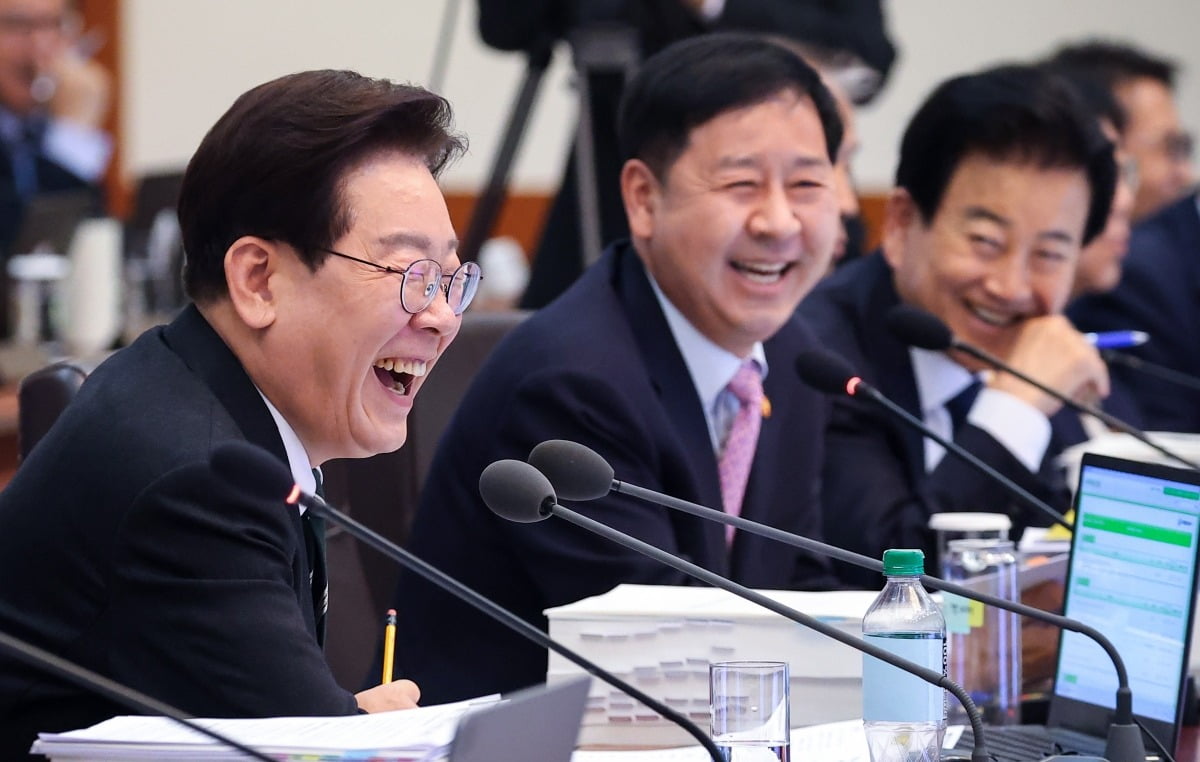
- KRW/USD exchange rate crosses 1,500 KRW: The exchange rate has surpassed 1,500 KRW. President Lee Jae-myung noted, "Dollars are flowing out due to foreign stock sell-offs, and once stock prices stabilize, the exchange rate climb should stop." Deputy Prime Minister Kim Yong-beom’s comment that the "three highs" are a "cost of success" has sparked some controversy.
-
New York markets close mixed: On May 26 (local time), the Dow Jones Industrial Average fell 118.02 points (0.23%) to close at 50,461.68 at the New York Stock Exchange.
-
Yuan strengthens, mixed results for KRW, JPY, and CNY: While the won is seeing high rates above 1,500 and the yen is nearing 160, the yuan is strengthening to the 6.7 level, a 3-year and 3-month low. The direct KRW/CNY trading market surpassed a record high of 222 KRW.
Key Economic News
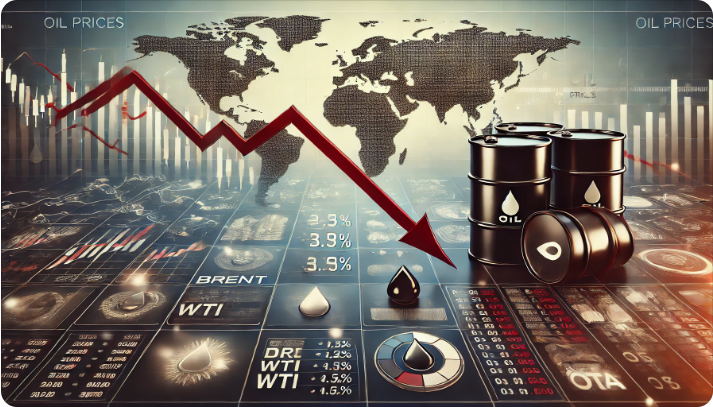
1. Oil prices drop over 6% on hopes for Strait of Hormuz re-opening Hopes for a ceasefire between the U.S. and Iran have raised the possibility of the Strait of Hormuz re-opening, causing a sharp drop in international oil prices. According to Reuters, WTI fell more than 6% during early Asian trading on the 26th.
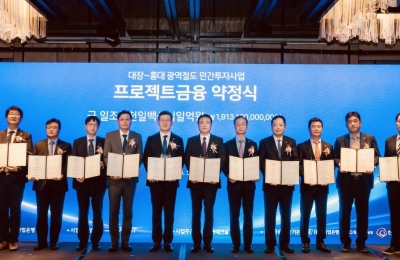
2. Woori Bank arranges 1.91 trillion KRW financing for Daejang-Hongdae Railway Woori Bank announced on the 27th that it held a financial closing ceremony on May 26 for the "Daejang-Hongdae Metropolitan Railway private investment project," totaling 1.9131 trillion KRW.
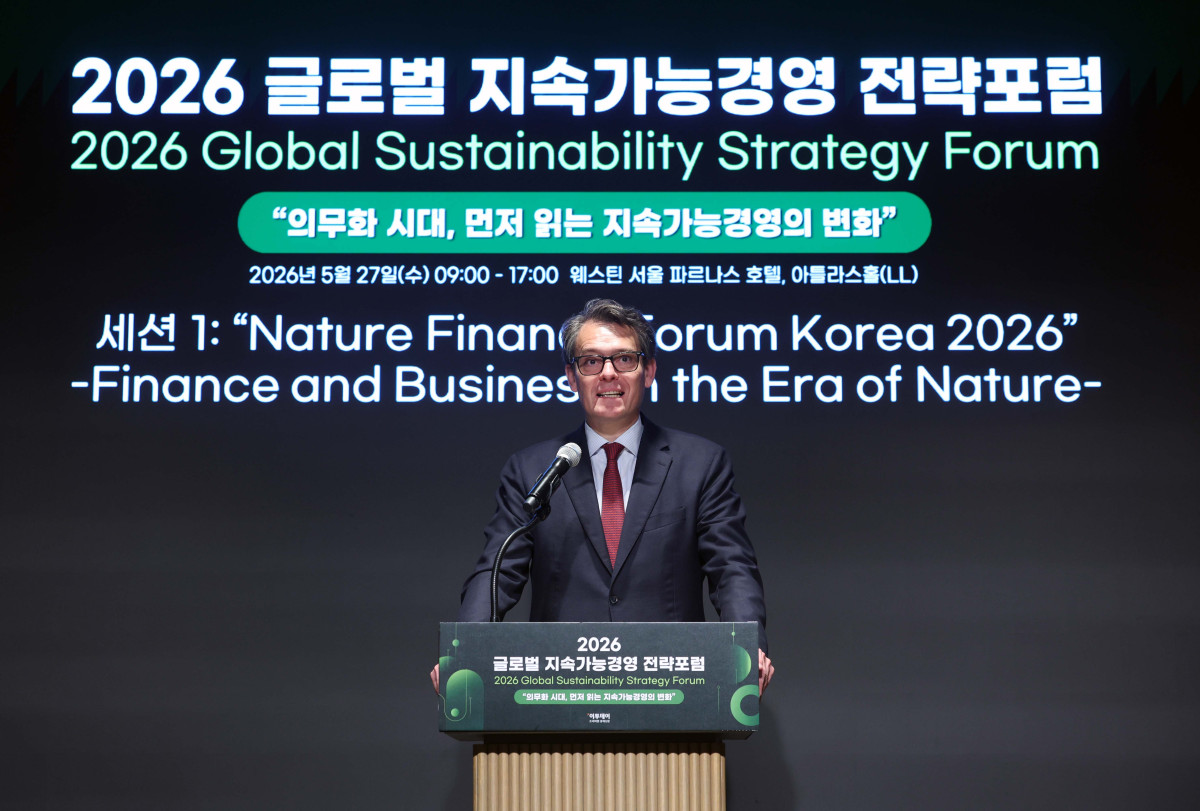
3. Shift to sustainable finance unavoidable; ecosystem damage seen as a financial risk At the 2026 GSSF (Global Sustainable Finance Forum), Jacques Flies, the Luxembourg Ambassador to South Korea, emphasized that "financial and trade policies must now account for ecosystem damage beyond just climate change." With the EU's green transition policies and the expansion of sustainable finance, experts noted that Korean companies face an inevitable transition.
4. Jeonse market woes in the capital region and real estate outlook Jeonse shortages due to supply issues in the capital region are worsening, and apartment prices in Seoul continue to rise. The government is considering countermeasures, including easing regulations for urban-type housing.
Industry Highlights
-
Semiconductors/Electronics: Large-cap stocks like Samsung Electronics and SK Hynix are driving the KOSPI’s strength, drawing heavy interest from foreign and institutional investors.
-
Energy/Oil Refining: The sharp drop in oil prices due to U.S.-Iran negotiation hopes will likely impact the domestic energy industry. Meanwhile, the Korean government has temporarily suspended reviews of participation in U.S.-led maritime operations in the Strait of Hormuz, and Iran has denied involvement in attacks on Korean vessels.
-
Construction/Infrastructure: Woori Bank led the 1.9131 trillion KRW financing for the Daejang-Hongdae rail project. Large-scale infrastructure projects via private investment are drawing significant industry attention.
-
Finance/ESG: The GSSF confirmed that ESG investment standards are expanding beyond climate to the entire ecosystem, with EU green policies expected to exert regulatory pressure on domestic firms.
Expert Analysis and Outlook
-
President Lee Jae-myung: "Exchange rate will stabilize once stocks settle": The President attributed the 1,500 KRW exchange rate to dollar outflows from foreign stock sales, predicting a calming effect once the market stabilizes. Deputy PM Kim Yong-beom's "cost of success" comment remains a topic of debate.
-
PCE inflation data holds the key to second-half rate cuts: As U.S. markets hit record highs, focus is shifting to April’s PCE (Personal Consumption Expenditures) data, the Fed's preferred inflation gauge. This figure will likely serve as the turning point for potential rate cuts later this year.

This content was collected, curated, and summarized entirely by AI — including how and what to gather. It may contain inaccuracies. Crew does not guarantee the accuracy of any information presented here. Always verify facts on your own before acting on them. Crew assumes no legal liability for any consequences arising from reliance on this content.
Powered by
