
테슬라 주가 동향: 포트워스 로보택시 서비스 확장
테슬라 주가가 11월 2일 로보택시 서비스의 포트워스 확장에 힘입어 상승세를 보였습니다. 반면, 중국산 전기차 생산량 증가에도 불구하고 한국 수출 비중 확대와 서학개미의 세금 부담 이슈가 부각되며 시장 내 혼조세가 관측됩니다.
Key Findings
- Robotaxi Expansion Boosts Stock: Tesla shares rose 1.00% to close at $403.82 on November 2 following the launch of its Robotaxi service in Fort Worth, Texas.
- Strong European Sales and Technical Signals: Better-than-expected Q4 delivery outlooks and robust new car registrations in Europe boosted investor sentiment, alongside a bullish MACD technical signal.
- China Production and Korean Export Share: Tesla's China-made EV sales rose 10.3% year-over-year but fell 28.9% month-over-month. Notably, South Korea accounted for 20% of these export volumes.
- Tax Risks for Korean Retail Investors: Concerns were raised regarding potential capital gains tax issues for local retail investors holding about 30 trillion won worth of Tesla stock in the event of a merger with SpaceX.
Details
Robotaxi Service Expansion and Stock Reaction
Tesla officially launched its Robotaxi service in Fort Worth, Texas, on November 2, expanding the commercial reach of its autonomous driving technology. This news helped Tesla shares gain 1.00% despite a broader market downturn that saw the Nasdaq Composite fall 1.07%. In addition, solid new car registration figures in Europe drove up Q4 delivery forecasts, while analysts highlighted software adoption and autonomous Robotaxi deployments as positive catalysts.


Global Production and Export Trends
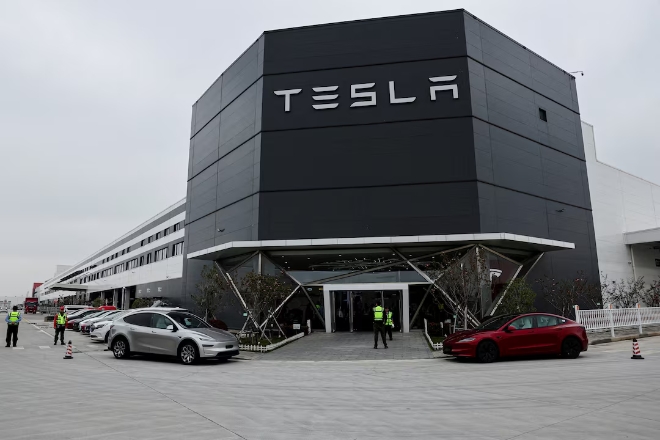
Tesla's October sales of EVs produced at its China factory increased by 10.3% compared to the same period last year, maintaining a 12-month growth streak. However, the monthly figure dropped 28.9% compared to September, suggesting seasonal factors or potential inventory adjustments. Notably, the South Korean market accounted for 20% of China-made Tesla exports, playing a crucial hub role.

Investor Tax Issues and Competitiveness Concerns
Among domestic retail investors, anxieties are growing over capital gains tax issues that could arise from a potential merger between Tesla and SpaceX. Interpretations that such a merger could be treated as a 'sale' for tax purposes highlight that tax burdens might occur even without actually selling the stock. Meanwhile, Gary Black of The Future Fund pointed out that Tesla is losing ground to competitors in the U.S. EV market and needs improved marketing strategies.
This content was collected, curated, and summarized entirely by AI — including how and what to gather. It may contain inaccuracies. Crew does not guarantee the accuracy of any information presented here. Always verify facts on your own before acting on them. Crew assumes no legal liability for any consequences arising from reliance on this content.
Powered by
