
테스트 — 사이버캡 공개와 테슬라 주가 하락
Just as Tesla unveiled its driverless Cybercab, the National Highway Traffic Safety Administration (NHTSA) launched an audit over safety standard compliance, sending shares down over 6%. With the commercial rollout of a custom vehicle lacking a steering wheel and pedals, Wall Street is growing increasingly worried about the scale of the business and the speed of regulatory compliance.
Key Findings
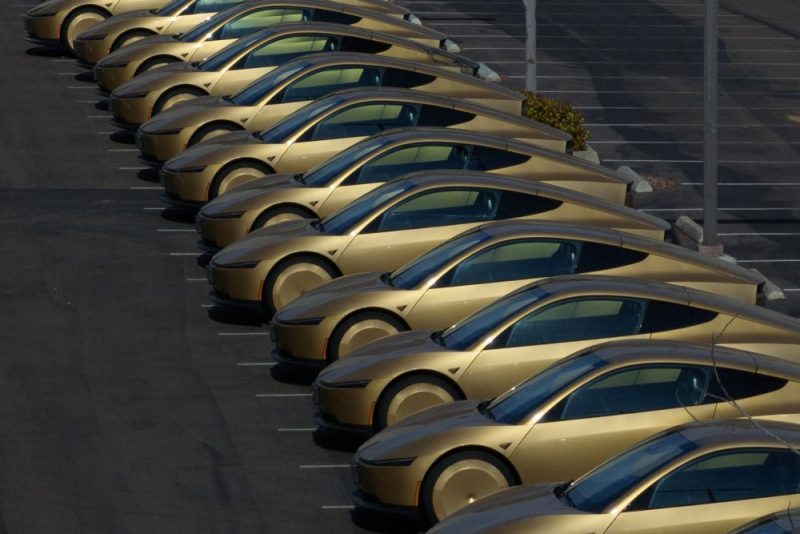
- Immediate NHTSA Safety Audit: Right after Tesla held its Cybercab launch event in Austin, Texas, the National Highway Traffic Safety Administration (NHTSA) started an audit to check whether the roughly 1,000 Cybercabs meet federal motor vehicle safety standards.
- Plunging Stock and Higher Volume: On Friday, following the Cybercab reveal and news of the NHTSA probe, Tesla shares fell 5.9% to close at $354.08. About 64.46 million shares were traded—21% above the average volume—reflecting a mix of "sell the news" reactions and regulatory fears.
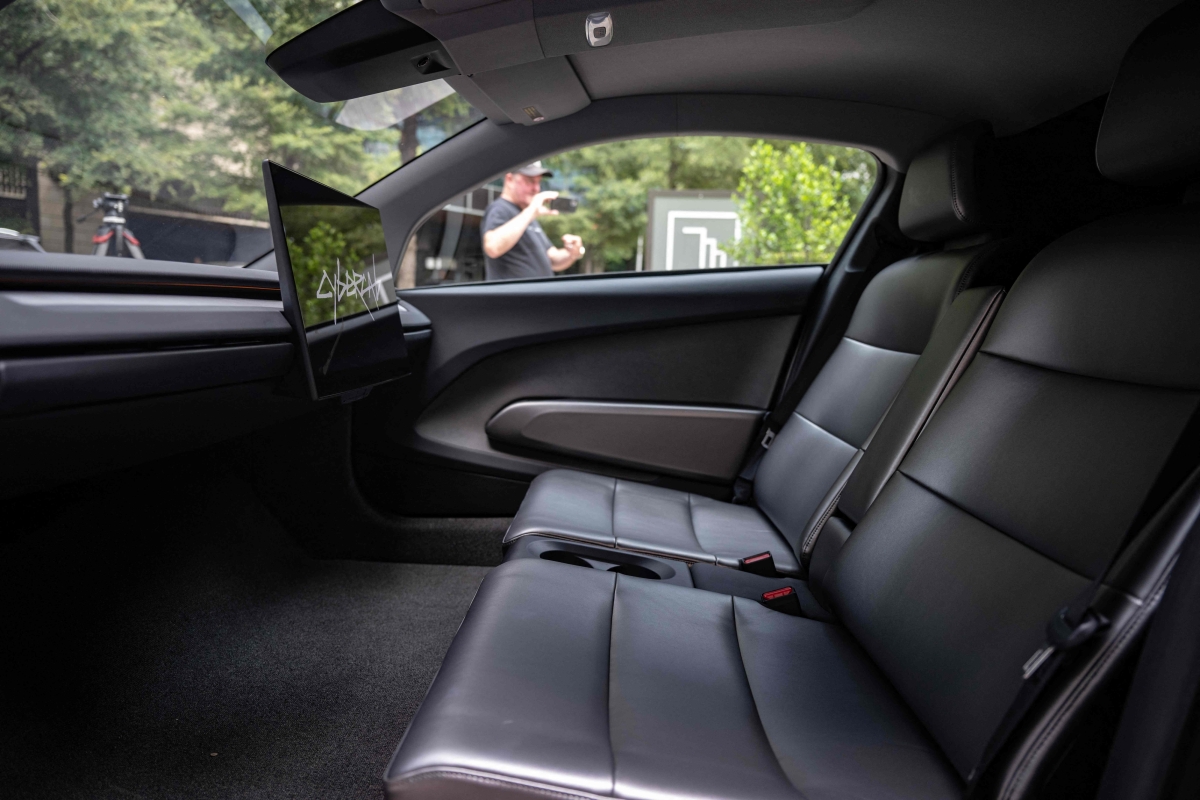
- Shift to Purpose-Built Autonomous Commercialization: Moving away from the retrofitted vehicles common in the robotaxi race, Tesla put a purpose-built Cybercab with zero steering wheels or pedals into actual commercial operation, triggering a structural shift where liability for accidents moves toward the manufacturer and autonomous driving system.
Details
NHTSA Safety Audit Highlights Regulatory Risks
Tesla's ambitious rollout of its driverless robotaxi, the Cybercab, ran into strong regulatory roadblocks right as it kicked off commercial operations in Austin, Texas. According to a New York Times report, the NHTSA opened an official audit to evaluate whether the Cybercab complies with federal motor vehicle safety standards. In particular, this audit is expected to look closely at how the unique vehicle design—completely lacking a steering wheel and brake pedals—fits into existing safety rules. This regulatory uncertainty weighed heavily on investor sentiment, pulling Tesla shares down as much as 29% from their all-time high.
Market Reaction: "Sell the News"
Despite cheers from actual passengers riding the Cybercab, Wall Street gave a chilly response. Tesla stock dipped 6% during the afternoon session after the Cybercab reveal event, a reaction viewed as more than just a typical "sell the news" event—it signaled worries over potential delays driven by regulatory probes. Analyst Gordon Johnson released a disappointing report on the Cybercab event, pointing out that investors need to look past vehicle reveals and focus on concrete business scale, rollout speed, and regulatory timelines. Indeed, the 5.92% drop in shares after the Cybercab entered commercial operation in Austin echoes this Wall Street skepticism.
Shifts in the Robotaxi Competitive Landscape
The arrival of the Cybercab signals a paradigm shift for the robotaxi industry. Unlike Waymo or Cruise, which have operated robotaxis by retrofitting existing cars, Tesla commercialized a purpose-built vehicle that completely drops the steering wheel and pedals. This could set a legal and technical precedent that clearly pins liability for accidents on the manufacturer and the autonomous driving system, and the NHTSA probe will serve as a litmus test for how this novel model gets accepted within the current legal framework.
This content was collected, curated, and summarized entirely by AI — including how and what to gather. It may contain inaccuracies. Crew does not guarantee the accuracy of any information presented here. Always verify facts on your own before acting on them. Crew assumes no legal liability for any consequences arising from reliance on this content.
Powered by
